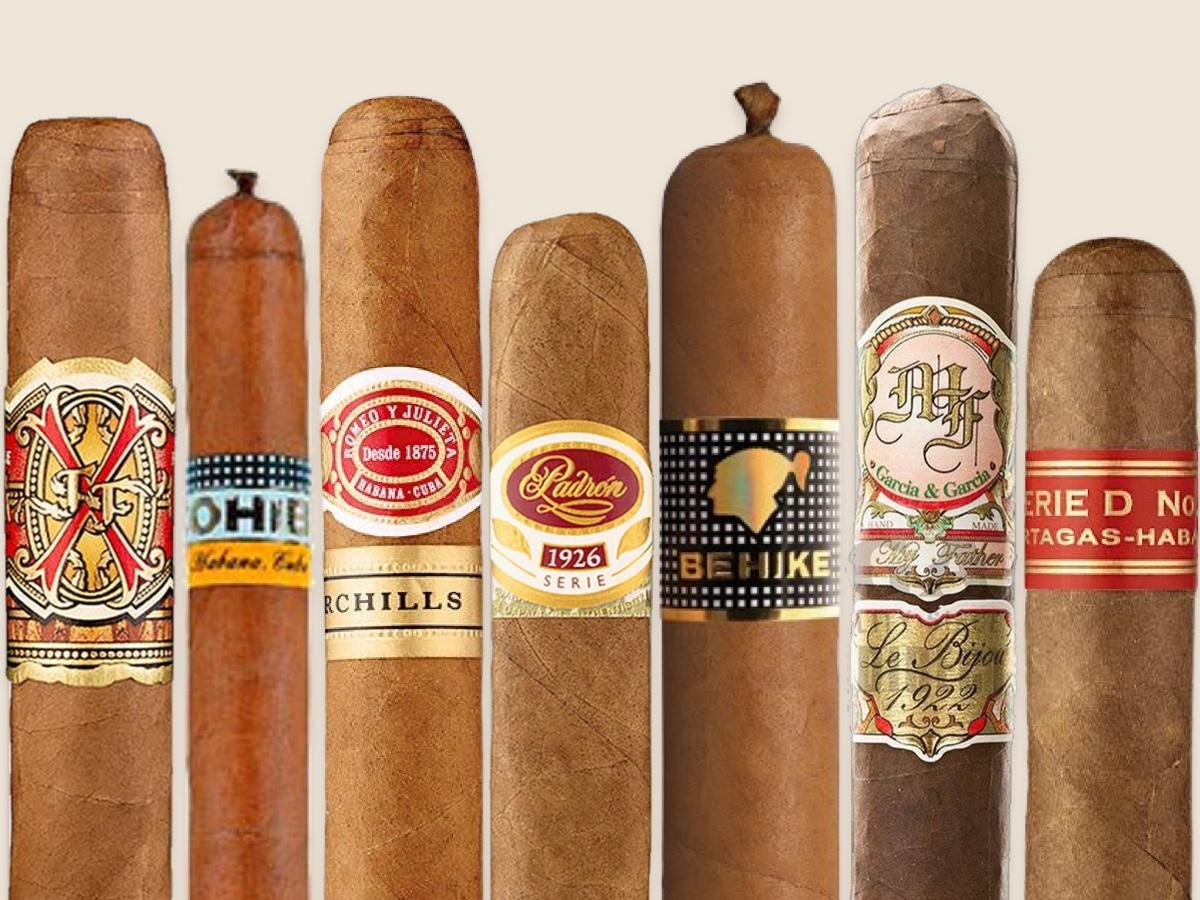
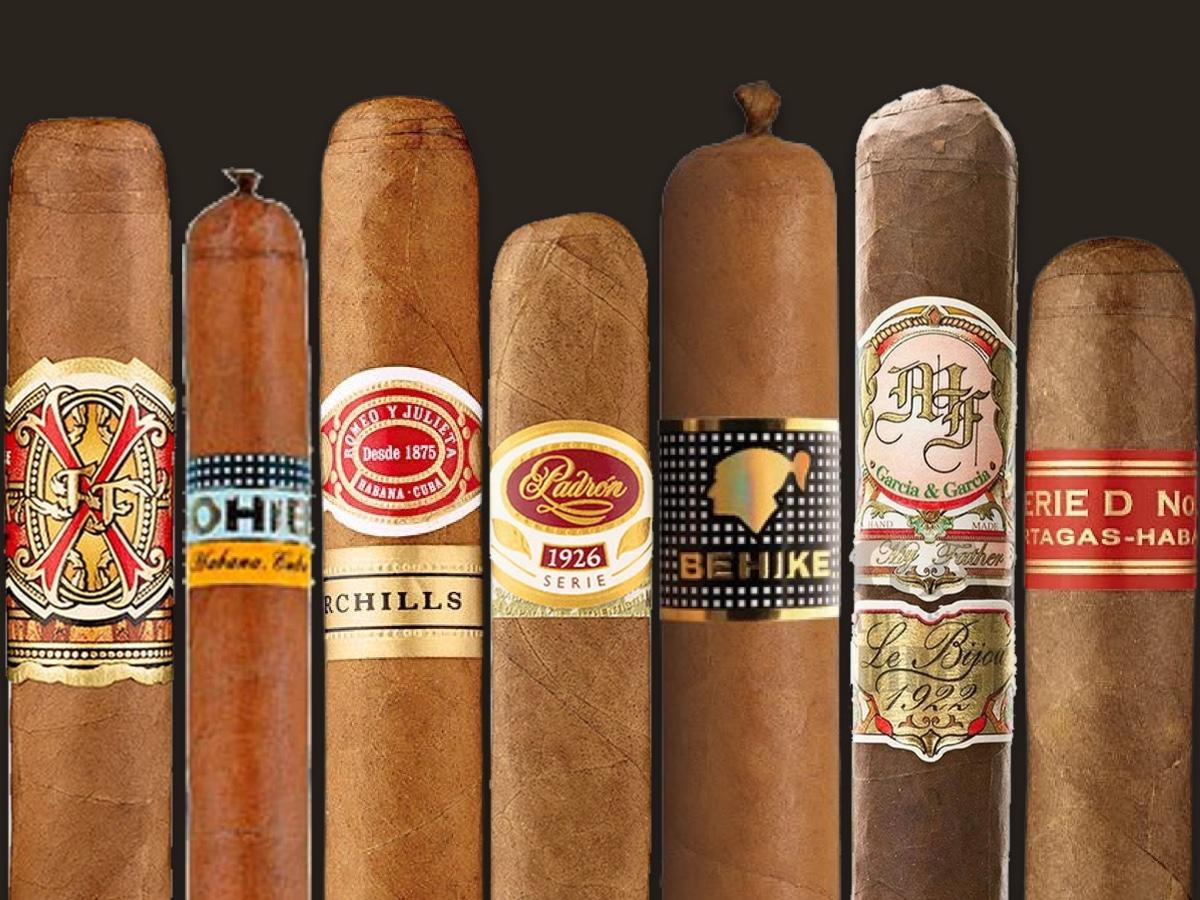
Most scarce cigars are scarce because few were made. The Behike is scarce because the leaf it depends on is scarce, and no amount of demand can change that. This lesson explains what medio tiempo is, how the Behike came to be, and what the three BHK sizes are. The Cohiba Lancero lesson covers the brand's beginnings, and Fillers covers medio tiempo in the leaf's own terms.
The name
Behike is a Taíno word. The Taíno were the people living in Cuba when Columbus arrived in 1492, and their behike was the healer, the priest who cured the sick and led the ceremonies. Cohiba, the brand that carries the Behike line, is itself a Taíno word for the rolled tobacco leaves Columbus saw. The name sets the line apart on purpose: it is meant to read as the most protected, most reverent cigar the brand makes.
Medio tiempo
The leaf behind the Behike grows at the top of the plant, above the ligero, the strong upper leaves. On a few plants — a small share of any crop — two or three small leaves grow above the ligero at the very crown. These are the medio tiempo, "half time" in Spanish, called that because they ripen late, after the other leaves have been picked. They get the most sun and the most of the plant's strength, which gives them an unusual richness. Because only some plants produce them and each produces only a few, there is never much medio tiempo, and a blend built on it must be made in small numbers.
The first Behike
Cohiba released the first Behike in 2006, to mark the brand's fortieth anniversary. Habanos dates the first use of medio tiempo in a Cohiba blend to the line of 2010; the cigar of 2006 is remembered instead for tobacco aged for years before rolling. That first Behike was a single cigar, 7½ inches by 52 ring (192 mm), and it was not really for sale in the usual way: it came in 100 numbered humidors, 4,000 cigars in all, priced far above any Cohiba sold before. It sold out at once, setting the line's reputation for scarcity before the regular line existed.
The BHK line
In 2010 Habanos brought the Behike into the regular range with three sizes, each named for its ring gauge:
| Cigar | Ring gauge | Length |
|---|---|---|
| BHK 52 | 52 | 119 mm |
| BHK 54 | 54 | 144 mm |
| BHK 56 | 56 | 166 mm |
Each is a straight-sided parejo with a pigtail head, a size fixed by the Habanos catalogue. All three use medio tiempo with the brand's ligero, and the result is the richest Cohiba made — earth, leather, cream and a long, warm finish. The 52 was named Cigar of the Year in 2010, and the line has kept its place as the most costly regular cigar in the Cuban catalogue.