A cigar named for a father carries two jobs at once: it has to stand as a good smoke and as a memorial. Le Bijou 1922 takes both seriously. This lesson explains what the name means, who José "Pepín" García is, and how a family that left Cuba built one of the most respected names in Nicaragua. The My Father Cigars lesson in Major Cigar Brands tells the story of the company and of Pepín García.
The name
Le Bijou is French for "the jewel," a name Pepín García chose for his father, and the 1922 is the year his father was born. The cigar is, then, a family heirloom put into leaf: a tribute from a son to the man who came before him.
Pepín García
Before My Father Cigars, José "Pepín" García was a respected roller and blender in Cuba, known for his work in the country's cigar factories. He left Cuba in the early 2000s and began making cigars in a small way in Miami, where his strong, Cuban-style blends quickly drew a following. He and his son Jaime García moved production to Estelí, Nicaragua, and built My Father Cigars into one of the leading makers there, with Jaime as the blender of many of its lines. The name of the company, "My Father," keeps the same tribute in the brand itself.
The cigar
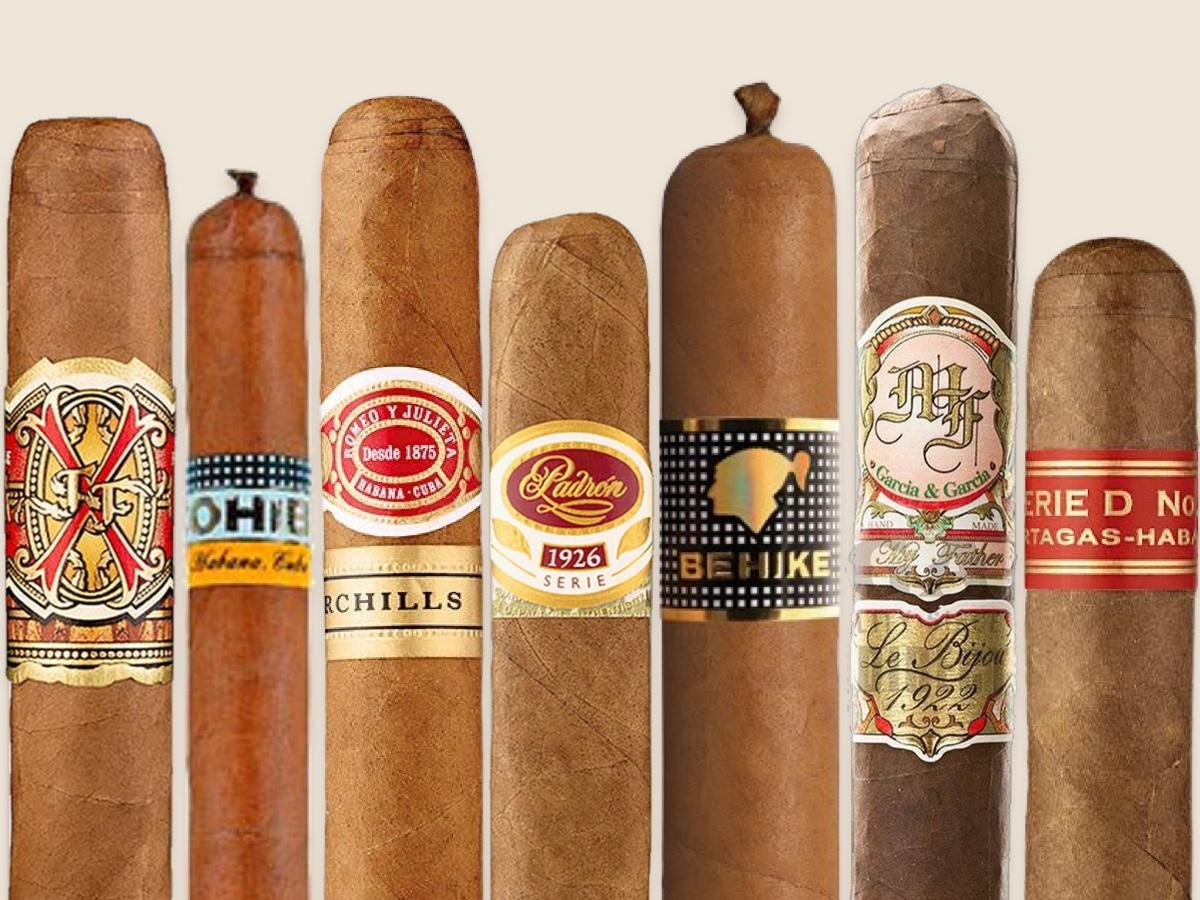
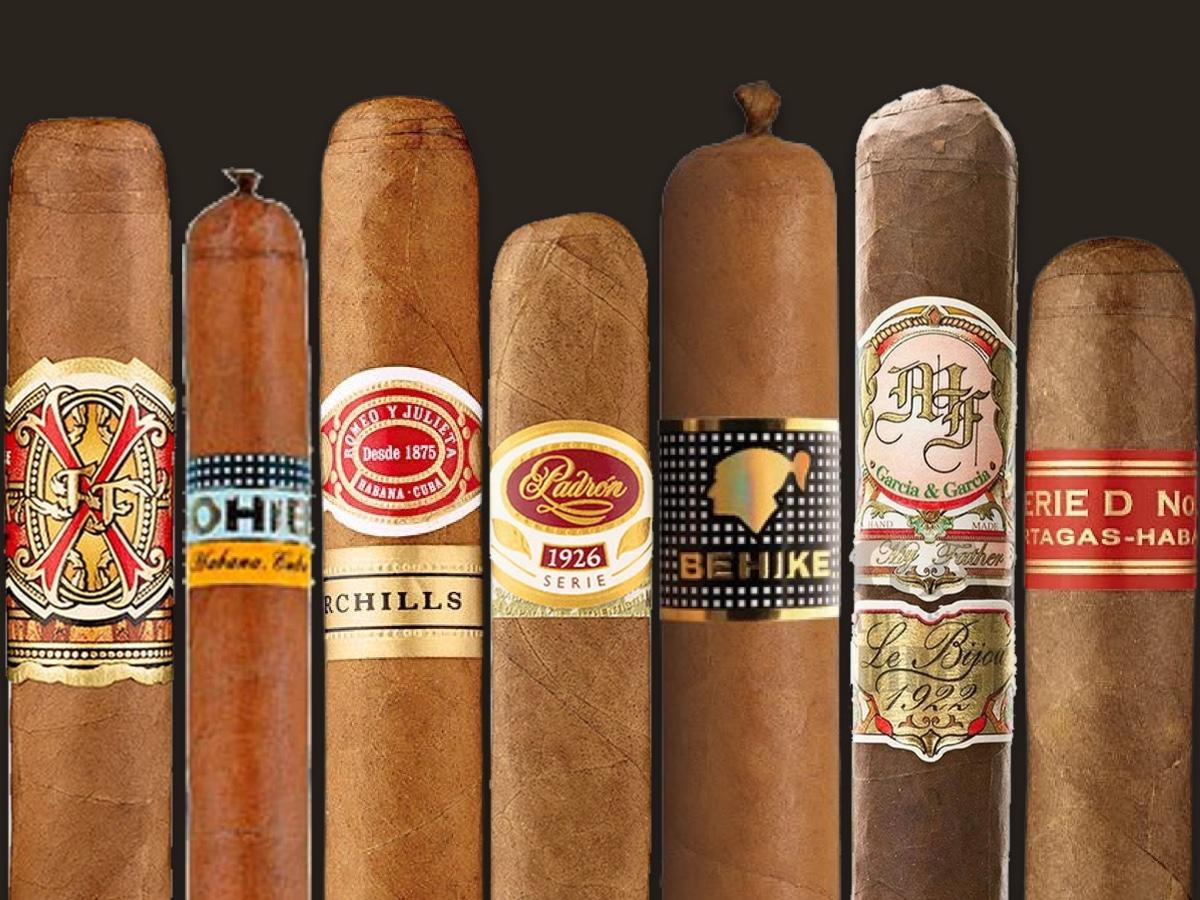
Le Bijou 1922 is a puro: its filler, binder and wrapper are all Nicaraguan, grown on the García family's farms. The wrapper is a dark Habano Oscuro. Every size is box-pressed, squared off to a firm, flattish shape. The catalogue's smallest size is a Petit Robusto of 114 mm by 50 ring (4½ × 50); the line runs up from there, with the Torpedo Box Pressed, 156 mm by 52 (6⅛ × 52), the only pressed torpedo in the line.
The Cigar of the Year
The line opened with espresso and earth and became known quickly. In 2015 the Torpedo Box Pressed was named the industry's Cigar of the Year, and the honor fixed Le Bijou 1922 as My Father's flagship. It remains a go-to for smokers who want a strong, sweet, full-bodied cigar that does not turn harsh.