A fine cigar needs a fine wrapper, the outer leaf that gives it much of its flavor and all of its look. For most of the twentieth century the trade believed that only a few places on earth could grow wrapper well: Cuba above all, then Connecticut, Ecuador, Cameroon, Sumatra. The Dominican Republic, which had become the world's leading maker of premium cigars by the 1980s, was not among them. Its sun and rain were said to make wrapper too thick and too coarse. In 1995 the Fuente family showed that the belief was simply wrong. This lesson tells how, and why the cigar that proved it is still a landmark. Major Cigar Brands tells the Fuente family's longer story.
From Tampa to the Dominican Republic
Arturo Fuente founded the brand in 1912 in West Tampa, Florida, with his sons and a handful of rollers. A fire destroyed the factory in 1924 and stopped production for twenty-two years; the family restarted in a small way in 1946, and Arturo's younger son Carlos bought the business in 1958. After the United States cut off Cuban tobacco, the Fuentes moved their production first to Nicaragua, where a second fire burned the factory in 1979, and then to Santiago in the Dominican Republic, in September 1980.
The wrapper no one believed in
The family's next undertaking was to grow their own wrapper. Wrapper is the hardest part of a cigar to produce, and the Dominican Republic's climate was thought to make it impossible. In the late 1980s they began growing tobacco at Château de la Fuente, a farm the family built up in the El Cibao valley, and they grew the wrapper under shade cloth. The result was a thin, oily leaf with a reddish-brown color the family calls rosado, from the Spanish for rose-colored.
The cigar
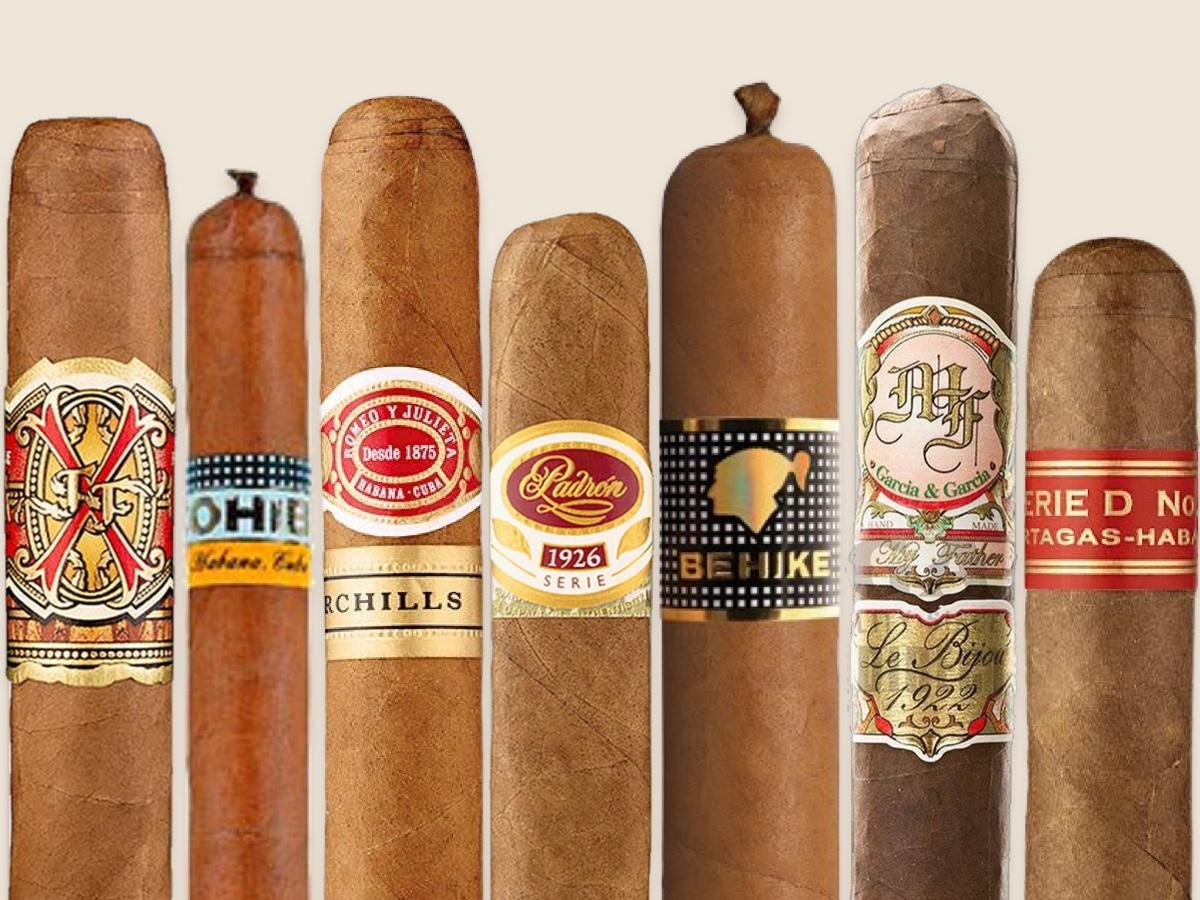
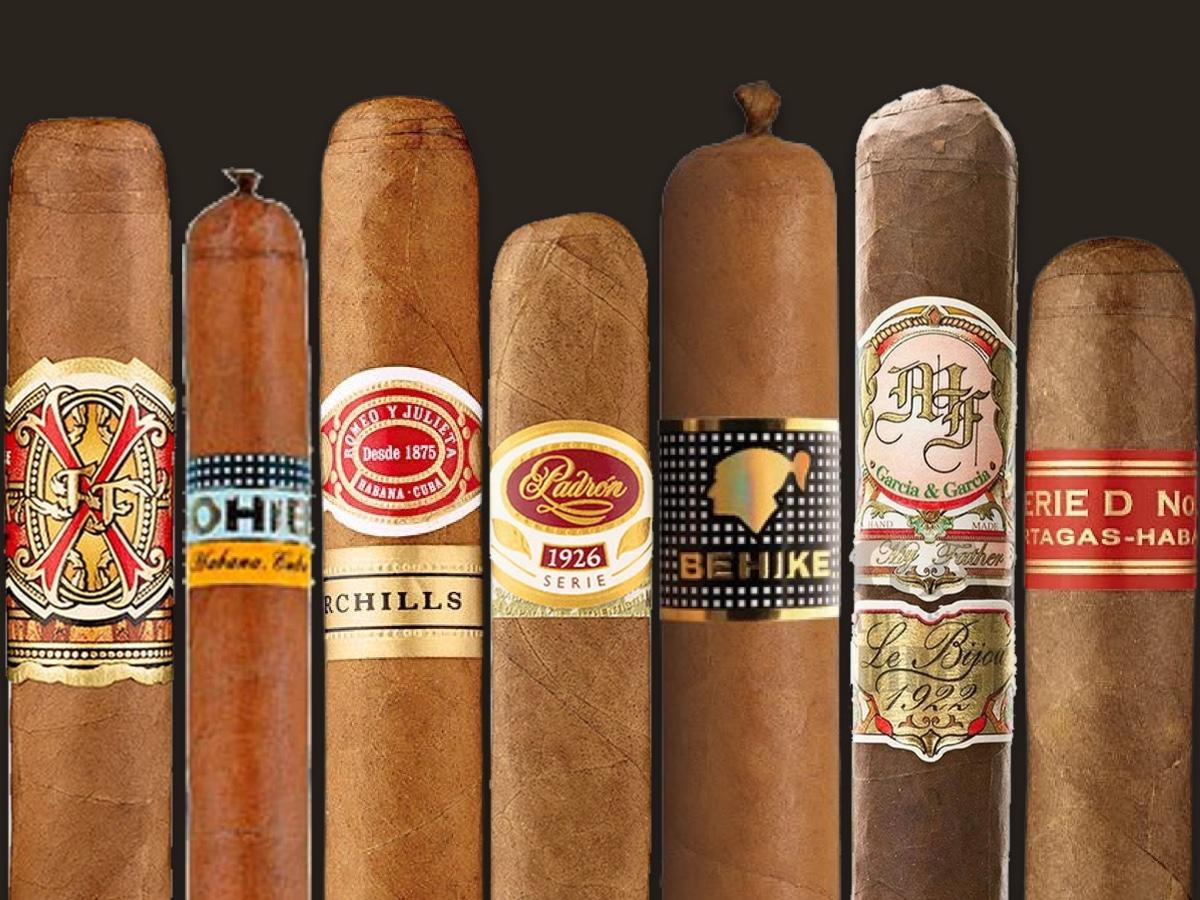
The first OpusX went on sale in November 1995. It is a puro — a cigar whose filler, binder and wrapper all come from one country — and it was the first all-Dominican cigar to succeed on that scale. The line now runs from a 4⅝-inch by 49-ring Belicoso XXX to the 9¼-inch by 47-ring Perfecxion A, with the catalogue's Robusto at 5¼ inches by 50 (133 mm). The wrapper gives the cigar its edge: a sharp, cedar-and-pepper opening over a rich, sweet center. A cigar from the line was named the industry's Cigar of the Year in 2005.
Why it matters
OpusX did not stay a single cigar. It showed the Dominican Republic could grow wrapper, and it opened the door to the special editions the family has released since, from the barrel-aged Angel's Share to the Lost City, named after the film shot in the Fuente fields. The rarest sizes sell out as fast as they are boxed, and collectors treat the line the way watch collectors treat a flagship watch: as a reference point for everything made after it.