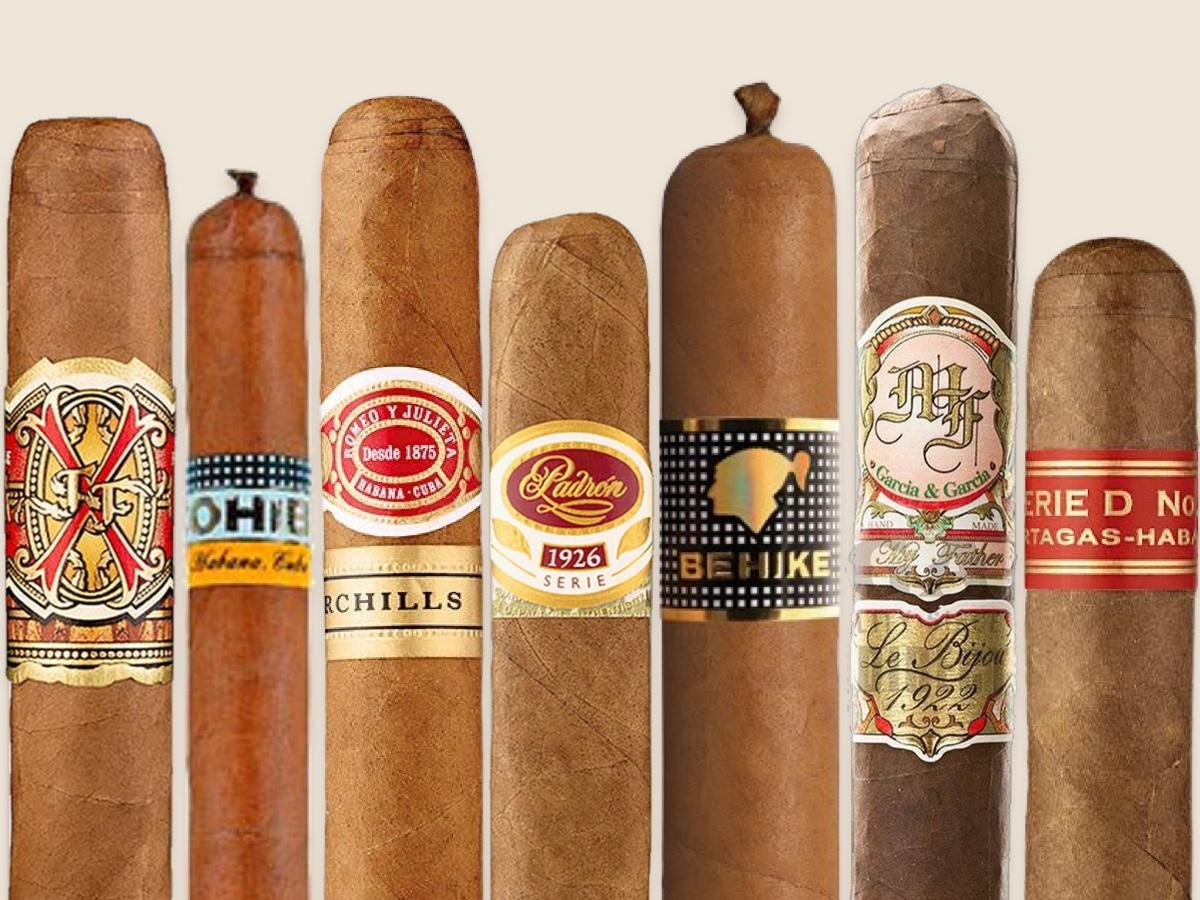
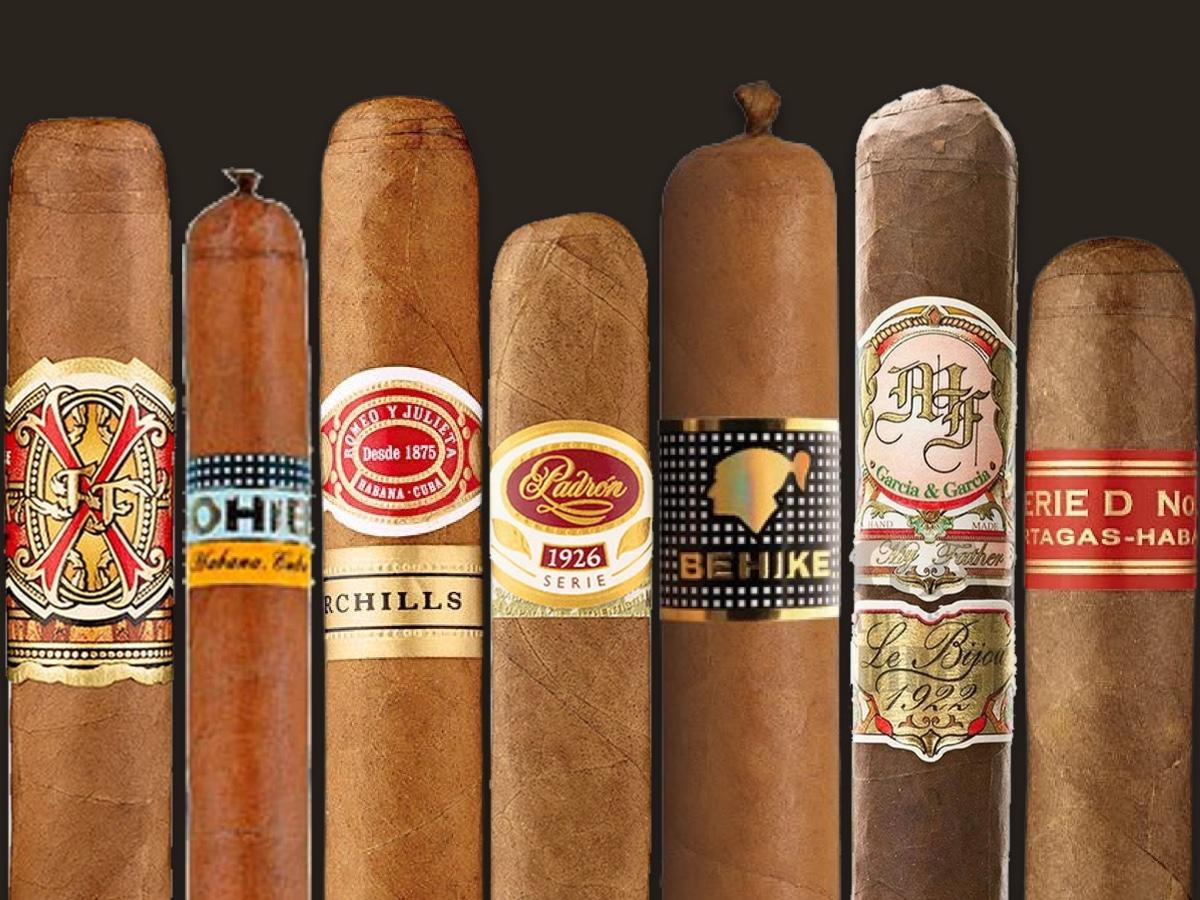
A brand as strong as Partagás needs a size that stands for it, and the Serie D No. 4 is that size. It is not the oldest cigar in the range and not the largest, but it is the one the brand is known by. This lesson explains what the cigar is, where it sits in the Partagás line, and how a 4⅞-inch robusto became the best-selling Cuban cigar on earth. Major Cigar Brands tells the Partagás story in full.
The brand
Partagás was founded in Havana in 1845 by Jaime Partagás, a Catalan, and it has meant strong, rich cigars for most of its life. It built its name on the Vuelta Abajo, the western region of Pinar del Río that grows Cuba's finest leaf, and on a factory in Havana that became one of the landmarks of the cigar trade. The "Serie" — the series of lettered cigars, D, E and P — is the brand's line of robustos and figurados, and it is the most popular part of the range.
The cigar
The Serie D No. 4 is the series's quiet workhorse. It came out in 1975 and has stayed in the regular range, unchanged in size, ever since. Its figures are the classic Robusto: 124 mm long and 50 ring gauge, a short, thick parejo that smokes in about an hour. The filler, binder and wrapper are all Cuban, from the Vuelta Abajo, and the strength is full, with the leather, black pepper and earth Partagás is known for, over a sweet cedar that comes through in the second half.
Why it sells
What made the No. 4 the most sold Cuban cigar in the world, surpassing even the Montecristo No. 4 in the early 2010s, is its ratio of flavor to size. It delivers the full Partagás character in a smoke that does not demand half an evening, and its price places it well below the brand's larger, rarer formats. The same blend has grown a family around it — the shorter D No. 5 and D No. 6, and the wider Serie E and figurado Serie P — but the No. 4 remains the entry point and the measuring stick.