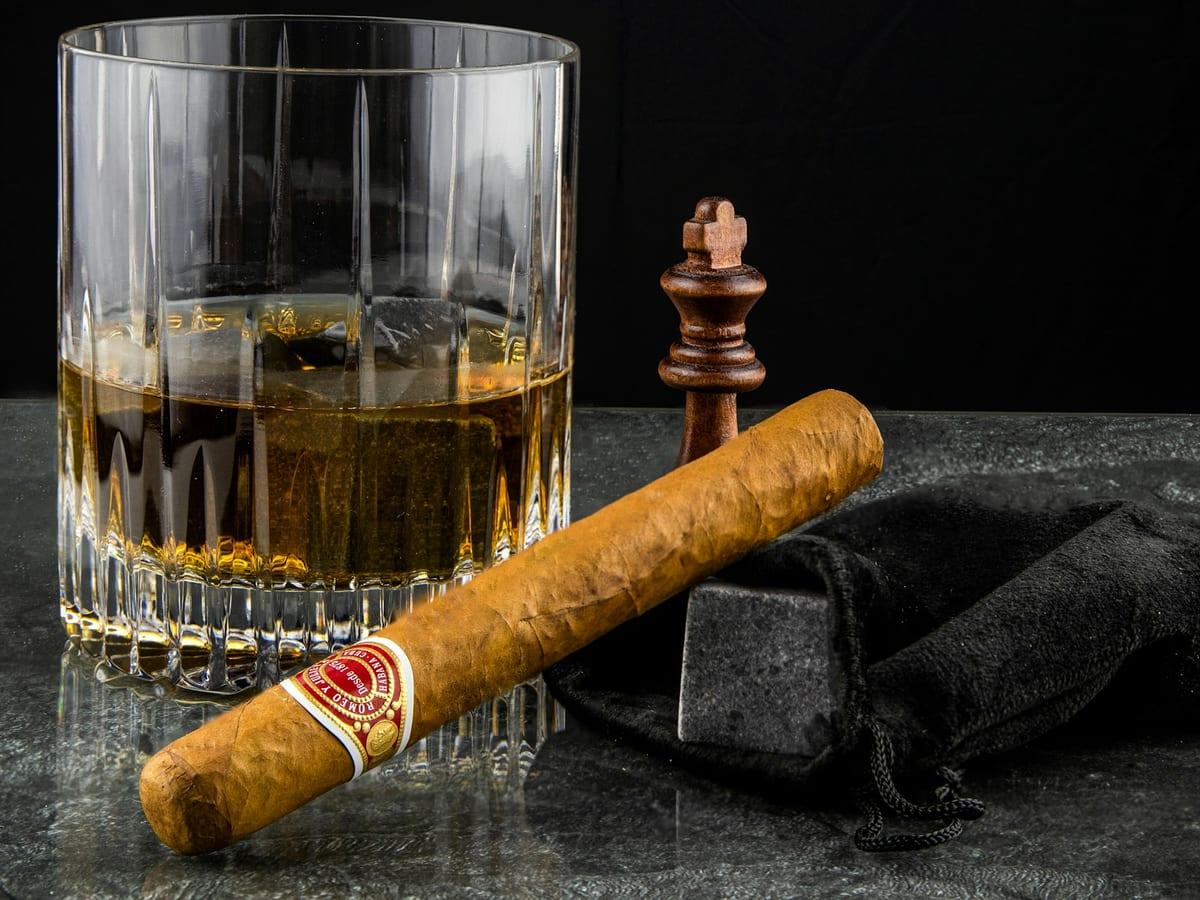
Everything in the first six lessons was settled ground: a stout with a maduro, an XO with a full smoke, coffee with a morning cigar. Modern pairing is the open field around that ground, and it has no fixed rulebook, only a handful of principles and a habit of writing things down. What makes it experimental is not novelty for its own sake but the tools it borrows: the solvent effect of fat and alcohol, the contrast of heat and cold, and sequencing across a smoke. This lesson covers those tools, the drinks and dishes that use them, and how to run a deliberate trial. The health caution about alcohol in Introduction to Pairing applies with extra force here, because the experimental spirit is the easy one to overdo.
The tools
The first tool is solubility. Alcohol and fats dissolve compounds that water will not, and the heavier, oilier compounds of a tobacco are among them, so a fat or an alcohol in the pairing puts more of the cigar's depth in reach. This is the same effect, stated at the table rather than the clinic, behind a note in the National Cancer Institute's alcohol fact sheet that alcohol makes the lining of the mouth absorb the chemicals of smoke more readily: what moves flavor also moves the harm, and the two halves of the sentence have to be heard together. The stronger and oilier the drink, the more of the cigar it can carry into reach, and the more of the smoke's burden it carries in with it.
The second tool is temperature. Chilling a drink contrasts with the warm smoke and brings out its sharper, brighter side; warming a drink brings its sweetness and fat forward and meets the smoke on its heavier side. A pairing can be read twice, once cold and once as it warms, and the two readings often make the cigar seem like two different cigars.
The third is sequence. A cigar changes through its thirds, growing fuller and hotter toward the head, and a set of drinks can be staged to follow it, a lighter pour for the first third and a heavier one for the last, the same staging the non-alcoholic lesson uses with water, tea and coffee. Moving from a lager to a stout across one cigar, for example, mirrors the smoke's own build, so the glass grows up with the burn.
The drinks
The drinks are the old families aimed at new targets. Mezcal's smoke and earth set against a full maduro is a contrast of smoke on smoke, and a blanco tequila's clean agave bite lifts a spicy Nicaraguan. Sake, the rice wine of Japan, brings watery weight and a savory, umami roundness that softens the creamy edge of a Connecticut-wrapped smoke. Then come the built drinks: a spiced, chili-and-ginger tonic, its heat sharpening a peppery smoke; a matcha latte, bitter, creamy and green, set against a fruity Cameroon wrapper; a hibiscus iced tea, tart and floral, cutting a ligero-heavy, full smoke. Each is a contrast in a key no older guide had on file, and each works through the tools above rather than through tradition.
The food
The food side of modern pairing reaches further still, into the high kitchens and the street alike. A few of the ideas that travel best: an umami-rich bite, such as a miso-glazed eel, whose savory depth stands against a leathery Habano finish; a sweet-savory plate such as foie gras with fig jam, the fat and sugar softening a full maduro so its smoke runs round; a sesame-and-herb flatbread, its za'atar and crunch echoing an herbal wrapper; and a sharp snack such as wasabi peas, whose heat reveals sweetness a medium cigar had been keeping hidden. These are not rules, just starting points, and the point of each is the same: a strong flavor set near the smoke, so the smoke answers.
Running a trial
An experiment is only useful if it can be repeated, and a pairing that cannot be described is only a pleasant hour. So the method matters more than the menu. Smoke the cigar alone for the first inch or so, to fix its baseline before the drink or dish alters the mouth; then introduce the pairing in small sips or bites, and watch what changes; then change one thing at a time, the temperature, the dilution, the order, and note which change moved the smoke. Finish with a neutral reset, water or bread, and write the result down while it is fresh. Because palates differ sharply, a note that says what was paired, what it did and what came next is the only way trial becomes knowledge, and tasting the same pairing with another person, then comparing the two notes, is the fastest way to find out how much of the result was the cigar and how much was the taster. This is the younger half of pairing, and it is the half with no final word, only a stack of dated notes and the occasional pairing that, once found, joins the classics.