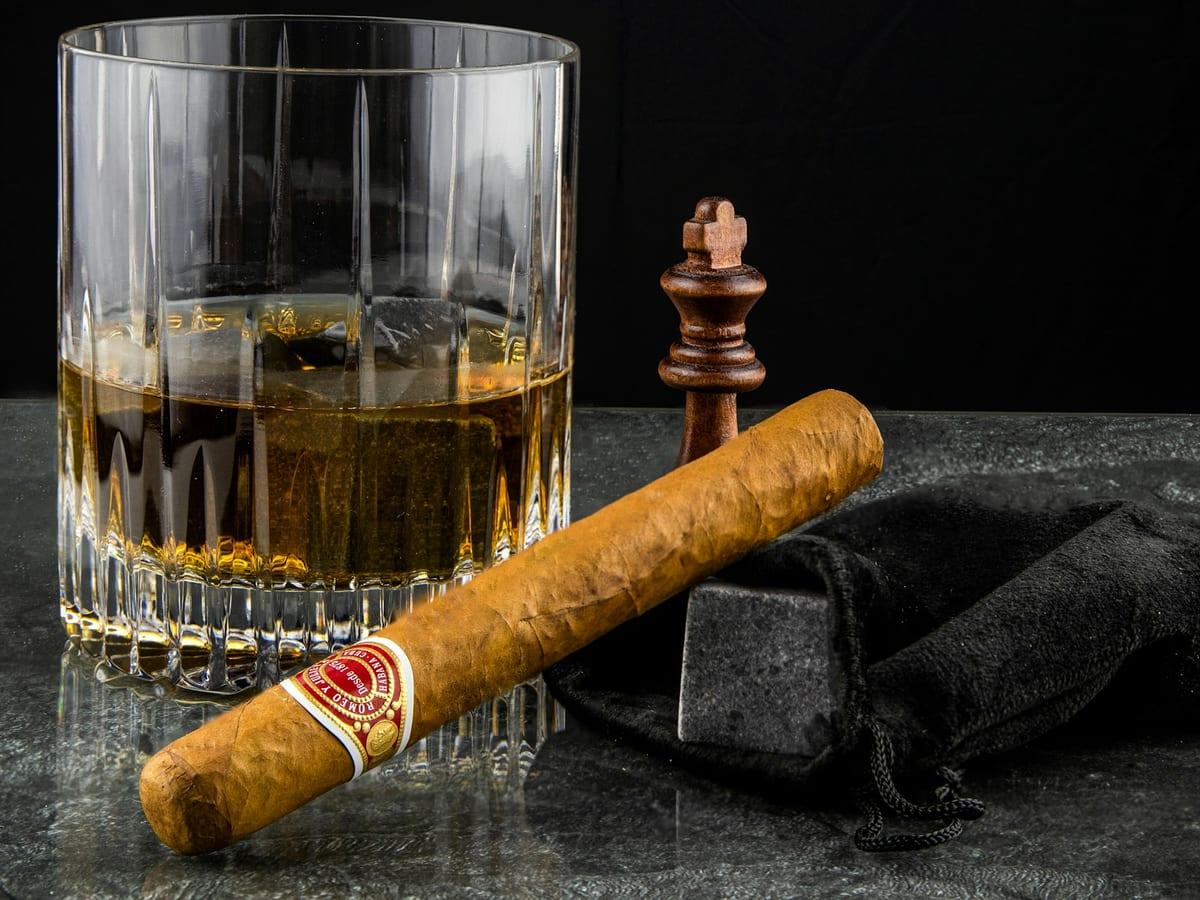
Where a spirit meets a cigar with heat and weight, wine meets it with acidity and fruit, and the difference is the whole style of the pairing. A stronger drink can cover a delicate flavor, which is why a fuller but lower-alcohol wine is the usual partner for a cigar meant to be read carefully, and for the earlier hours of the day. This lesson covers red, white and rosé wine and then Champagne and the other sparkling wines, with what each kind does and what it suits. Introduction to Pairing sets out the mechanisms, and the health caution about alcohol is there in full.
Red wine
Red wine is the most versatile of the wine family, because it reaches across the wider end of the body scale and it works through the three things that matter most: its tannins clean the mouth and soften the smoke's bitterness, its acidity brightens the flavor, and its fruit complements the cigar's own sweetness. The grape sets the weight of the match.
Cabernet Sauvignon, full and structured with firm tannins and dark fruit, is the heaviest of the usual reds and suits a full-bodied cigar, often a Nicaraguan or Honduran with the earthy, cocoa notes that meet the wine's own. Merlot, softer and rounder, suits a medium-bodied cigar and sits well against cedar and nut notes. Syrah, or Shiraz, spicy and peppery, is a contrast pour for a spicy cigar, its pepper against the cigar's pepper. Pinot Noir, light, floral and gently fruity, is the red for a mild cigar, where a fuller red would bury it, and it suits a creamy Connecticut wrapper.
The method of drinking matters more with wine than with spirits. Tasters recommend the alternation — a small sip, then a puff, then a pause — so that the wine's acidity can do its cleaning work and the cigar's flavor can be read again between sips, rather than the two running together into one warm blur.
White wine
White wine is for the lighter end, and its job is freshness rather than weight. A light body means it will not overpower a mild cigar, its high acidity scrubs the palate between draws, and its citrus and floral notes sit naturally against the cigar's own brighter aromatics. An oaked Chardonnay, the fullest of the whites, has the creamy, nutty weight to meet a medium cigar. A Sauvignon Blanc, crisp and green, suits a mild cigar with herbal or grassy notes. A Riesling, dry or faintly sweet, suits a slightly sweet cigar and takes a little of the edge off gentle spice. White wine is above all a daytime and warm-weather pairing, where a heavier pour would feel wrong.
Rosé
Rosé sits between the two, with the fruit of a light red and the acidity of a white, and it is a flexible, social choice for mild and medium cigars outdoors, where its freshness and lower alcohol suit a longer, slower smoke.
Champagne and sparkling wine
Champagne and the other sparkling wines pair with the cigar in a way nothing else quite does, because the bubbles themselves are a tool. The carbonation physically cleanses the palate, refreshes between puffs and lifts the oils of the smoke, so a glass of it works as both a partner and a reset, and it is the wine most often used to pace a longer smoke. Its high acidity balances a medium-bodied cigar, and the subtle yeast and toast notes of a well-aged sparkling wine sit against the fermented flavors of the tobacco itself. The matching, again, runs by weight and age: a Brut Champagne, dry and crisp, suits a medium cigar and lets the cedar and cocoa show; a vintage Champagne, richer and fuller from longer aging, suits a full-bodied cigar and a celebration; and a lighter, everyday sparkler such as Prosecco or Cava suits a mild cigar and the daytime.
The table gathers the wine family onto one frame.
| Wine | What it brings | Cigars it suits |
|---|---|---|
| Cabernet Sauvignon | Full body, firm tannins, dark fruit | Full-bodied, often Nicaraguan or Honduran |
| Merlot | Round, soft, red fruit | Medium-bodied, cedar and nut notes |
| Syrah or Shiraz | Spice and pepper | Spicy cigars |
| Pinot Noir | Light, floral, red fruit | Mild cigars, creamy Connecticut |
| Oaked Chardonnay | Creamy, nutty, fuller white | Medium cigars |
| Sauvignon Blanc | Crisp, green, high acidity | Mild, herbal cigars |
| Riesling | Dry to faintly sweet | Slightly sweet, gently spice |
| Brut Champagne | Fizz, acidity, toast | Medium-bodied |
| Vintage Champagne | Richer, long-aged | Full-bodied |
| Prosecco or Cava | Lighter, everyday sparkle | Mild cigars |
Read down the table and the line is the same as the spirits lesson: the fuller the wine, the fuller the cigar. The two cautions are small. Avoid a very sweet wine against a very strong cigar, since the sugar can coat the mouth and hide the smoke's nuance; and take the sips and puffs in alternation, not heaped together, so the acidity keeps doing its work. Sparkling wine is best sipped after the smoke is released, so the fizz washes the mouth while the smoke is gone, and the tongue is clean for the next draw.
The wine pairing carries a further caution common to all of them: wine is alcohol, and the health note in Introduction to Pairing applies here in the same measure, whatever the glass's reputation for refinement. A soft, balanced wine is chosen for how it tastes against the cigar, not for anything it claims to do for the body.