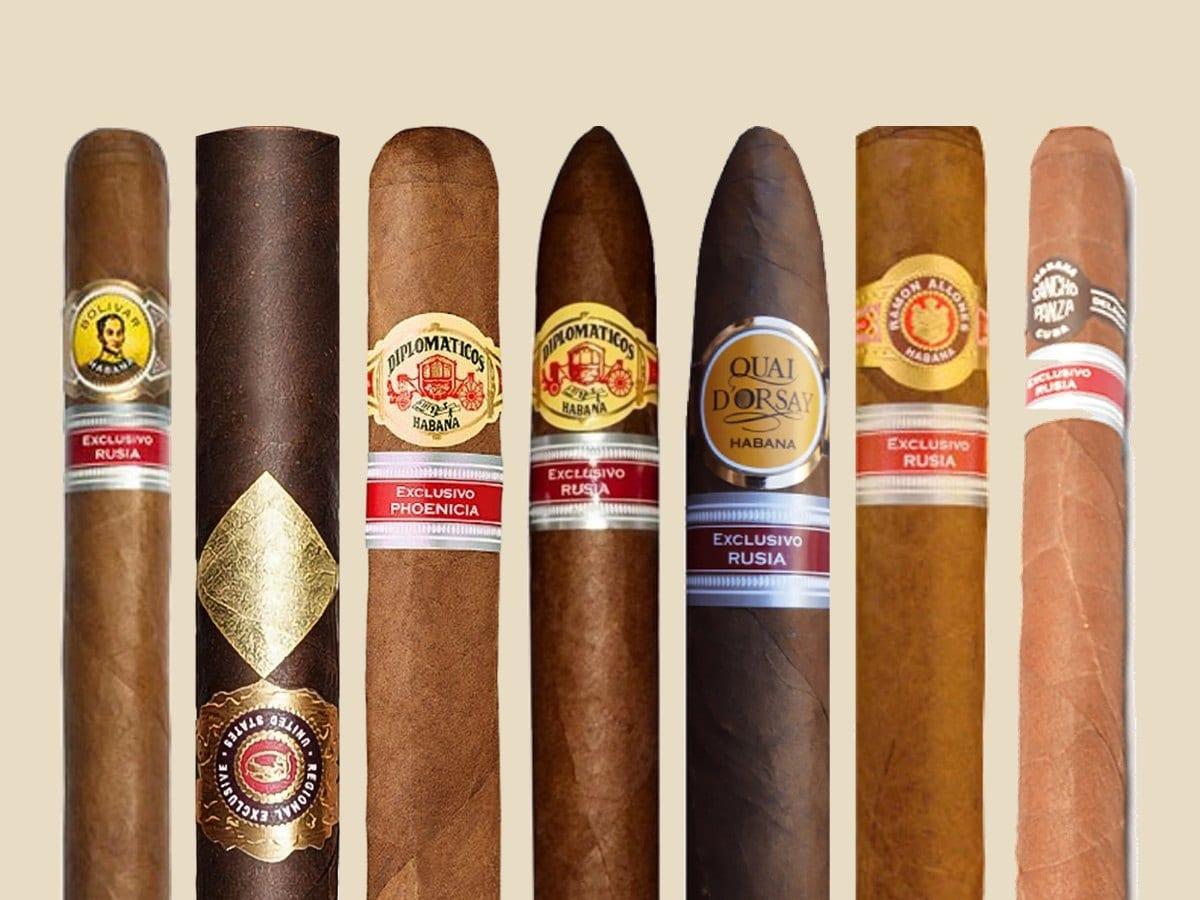
A collector who can tell a regional edition from an Edición Limitada at a glance knows most of what matters about Cuban special releases. This lesson sets out the standard regional edition and the Exclusivo band that names it, then walks through the three programmes it is confused with: the Edición Limitada, the Reserva and the Gran Reserva, each with its own tobacco, size and second band. The Introduction to Regional Editions lesson defines the regional edition itself, and the Certification and Security lesson in the Cigar Boxes topic covers the box markings.
The standard Edición Regional
The standard regional edition is a one-off annual release: the distributor for one market commissions a lesser-known brand in an uncommon size, the cigars are rolled once, and the run ends. Within that one type there are variations in how a market returns to a brand. Some markets build a multi-year series in the same brand, year after year, which is how Canada came to release the Ramón Allones Gordito de Allones in 2010 and the Ramón Allones Super Ramon in 2011, and how Italy has returned to Punch over the years down to the Punch ManTua in 2019. These repeat series stay regional and numbered; they simply let a distributor build loyalty to one brand while it tries a new size each year.
The Exclusivo band and seal
What names the region is the second band. A regional edition wears its brand's ordinary band, and below it a band in silver and burgundy carrying the word Exclusivo and the name of the territory in Spanish; the box carries a matching seal and a number. Because the wording reads "Exclusivo" plus a market, an individual release is often described as an Edición Regional Exclusivo followed by its territory, and Habanos's own box seal uses the same phrasing. The very first releases in 2005 used a plain band that named nothing, and before the programme began, market-exclusive cigars carried no special marking at all, so the Exclusivo band is the feature that turned a quiet practice into a recognisable series. The box numbering and seal, and how to read them, belong to the Cigar Boxes topic.
Not an Edición Limitada
The Edición Limitada is the programme a regional edition is most often mistaken for, and the two sit at opposite ends of the same shelf. An Edición Limitada has run every year since 2000, is sold worldwide in small numbers, and is built on tobacco aged at least two years before rolling, with a darker, ripened wrapper; its second band is black and gold and names the year of release. A regional edition began five years later, in 2005, is sold in one market only, and uses the brand's standard, unaged blend in an uncommon size, with a silver-and-burgundy band that names the region rather than the year. The Limited Editions topic treats the Edición Limitada in its own right, and the two programmes' band colours and blends are the fastest way to tell them apart.
Reserva and Gran Reserva
Two further programmes sit beside both, built on age rather than on size or on a single market. The Reserva, begun in 2003, and the Gran Reserva, begun in 2009, are numbered releases rolled in a brand's standard sizes entirely from the tobacco of one named harvest, the cosecha, aged before rolling; the Reserva requires the leaf to have rested at least three years and the Gran Reserva at least five. They are sold worldwide, alternate with each other year by year, and wear their own Reserva or Gran Reserva bands. They are not regional editions and not limited editions: where the Edición Limitada changes the size and darkens the wrapper and the Edición Regional changes the size and the market, the Reserva lines keep the standard size and change only the age of the leaf. The table below sets the four programmes side by side.
| Edición Regional | Edición Limitada | Reserva | Gran Reserva | |
|---|---|---|---|---|
| Began | 2005 | 2000 | 2003 | 2009 |
| Sold | In one country or region | Worldwide, in small numbers | Worldwide | Worldwide |
| The tobacco | The brand's standard blend | Aged at least two years, darker wrapper | One named harvest, aged at least three years | One named harvest, aged at least five years |
| The size | A standard size not in that brand's range | A size not in that brand's range | A standard size | A standard size |
| The second band | Silver and burgundy, Exclusivo and the region | Black and gold, the year | A Reserva band | A Gran Reserva band |
Read down the first row and the dates separate the programmes into three generations: the Edición Limitada from 2000, the Reserva from 2003, and the Edición Regional and Gran Reserva from later, 2005 and 2009. Read across the rows and the differences are in the tobacco and the band. The Edición Regional and the Edición Limitada both use a size outside the brand's usual range; the regional edition keeps the standard blend and changes the market, while the Edición Limitada changes the blend and keeps a worldwide market. The Reserva and the Gran Reserva keep the standard size and change only the age of the leaf. A cigar that names a territory on a silver-and-burgundy band is a regional edition; a cigar that names a year on a black-and-gold band is an Edición Limitada; a cigar that names a harvest and wears a Reserva band is one of the aged releases.