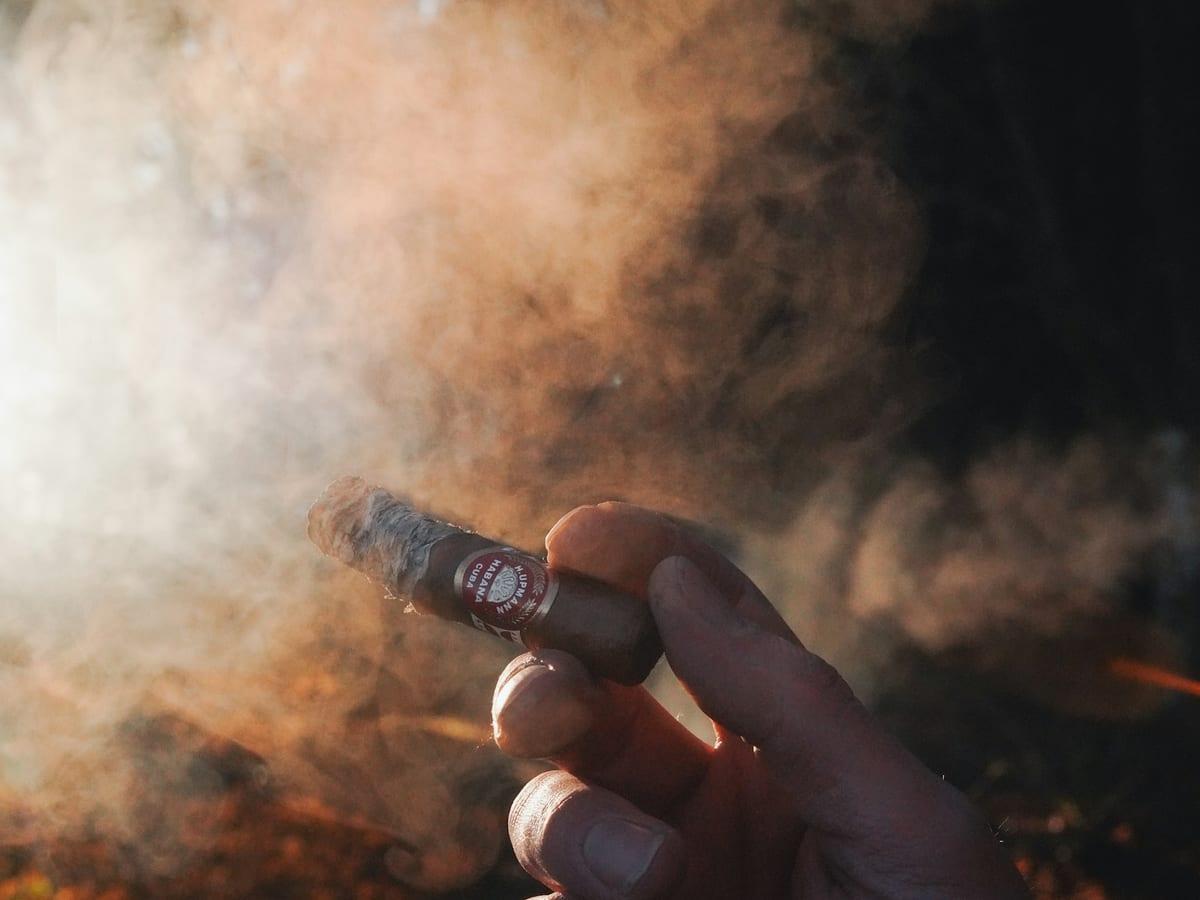
Where strength describes what a cigar does to you, body describes how it feels in your mouth: how much the smoke fills the palate, how rich and heavy it seems, and how long its flavor lingers after each puff. Body is the breadth and depth of a tobacco's flavor, its richness or fullness, and you perceive it as mouthfeel, in the way a light wine feels different from a heavy one before you have named a single note. It should not be confused with strength, which is nicotine, or with spice, which is a flavor. Understanding body is what lets you choose a cigar for the experience on the palate rather than for its kick.
Body, Flavor and Strength
Experienced tasters keep three qualities apart. Strength is the nicotine effect, felt in the body. Body is the weight and fullness of the smoke, felt in the mouth. Flavor is what the smoke actually tastes and smells of: cedar, cocoa, pepper, coffee, leather. Tasting charts often rate the three on separate scales, from mild to full, because they vary independently. A cigar can be full-bodied yet simple in flavor, heavy on the palate but saying only one thing, or light-bodied and full of nuance, delicate but changing from puff to puff. The Tasting Notes topic shows how to describe each of them.
The usual scale for body runs from light through medium to full, with steps in between such as medium to full. A light-bodied cigar gives a thin, smooth and delicate smoke, often creamy, nutty or slightly sweet, with notes of hay or light cedar; it suits a newcomer, a short break or a mild drink. A medium-bodied cigar is fuller and rounder but still balanced, with noticeable wood, earth, spice or coffee, and it goes well with whiskey, rum or port without overpowering the palate. A full-bodied cigar gives a thick, rich smoke that coats the palate, often with cocoa, espresso, leather, earth or black pepper; it rewards a slow, long session, stands up to strong spirits and is often best after a meal. Reviewers and shops use the same words, light, medium and full, for strength as well, so it is worth checking which of the two a rating describes.
Where Body Comes From
Most of a cigar's body comes from its filler, simply because the filler is most of the cigar. Ligero, the thickest and oiliest filler leaf, adds weight and depth as well as strength; seco carries much of the aroma; volado contributes little to body and is there to keep the cigar burning. A blender who wants more body without much more strength can lean on the wrapper or on well-aged leaf rather than adding ligero.
The wrapper is a small share of the tobacco but the first leaf you taste, and it shapes the body far more than its weight suggests. Darker, oilier wrappers such as maduro and oscuro usually give a fuller, sweeter body, while a pale Connecticut Shade wrapper gives a smooth, delicate one, even over a strong filler. Wrapper's Influence on Body covers this in depth.
Fermentation and aging change the body too. Fermentation drives out ammonia and harshness and rounds the flavor, and long aging continues the process, so well-fermented, well-aged leaf tastes fuller and smoother than young leaf. Some releases are built around this. In Cuba, the leaf for each Edición Limitada is aged at least two years, for a Reserva three and for a Gran Reserva five; in Nicaragua, Padrón ages the tobacco for its 1964 Anniversary Series four years.
The size of the cigar matters as well. A thicker cigar gives more smoke with each puff, which feels fuller in the mouth, and with more filler it can deliver a broader range of flavor, while a slim cigar puts the wrapper forward. Condition plays its part: a cigar kept too dry burns hot and fast, exaggerating pepper and bitterness and losing its sweetness, while one kept too humid can taste muted.
Origin and Body
Every growing region has a character, although blenders mix them freely and few cigars use a single region. In Nicaragua, leaf from Estelí is known for its strength and earthiness, leaf from Condega is more medium-bodied, and leaf from Jalapa is subtle. Dominican blends built on Olor Dominicano are traditionally creamy and aromatic with a medium body, while Dominican Piloto Cubano adds strength. Honduras grows Cuban-seed leaf such as Corojo in the Jamastrán valley, used in cigars like the Camacho Corojo, and Honduran leaf is often placed between Nicaragua's and Ecuador's in strength and flavor.
Habanos publishes its own five-step ranking of Cuban brands by flavor, from light to full, and adds that taste still varies between the sizes of one brand. It is a ranking of body, not of nicotine.
| Habanos ranking | Some of its brands and lines |
|---|---|
| Full | Bolívar, Ramón Allones, Partagás Serie, Cohiba Behike |
| Medium to full | Cohiba Línea Clásica, Montecristo, Cuaba, Diplomáticos |
| Medium | Romeo y Julieta, Trinidad, Punch, La Gloria Cubana |
| Medium to light | H. Upmann, El Rey del Mundo, Por Larrañaga, San Cristóbal de La Habana |
| Light | Hoyo de Monterrey, Quai d'Orsay, Fonseca, Rafael González |
How Body Changes as You Smoke
Body is rarely fixed from the first puff to the last. Most cigars start lighter, while the long column of unburned tobacco cools and filters the smoke, and grow fuller in the second and final thirds, as heat and the oils that collect toward the head concentrate it. Smoking too fast raises the temperature and turns fullness into harshness, which is one reason a cigar smoked slowly seems richer than the same cigar smoked in a hurry. A well-made cigar grows richer as it burns without turning bitter. How Strength Builds During the Smoke explains why the smoke changes in this way.
Body and Strength Together
Body and strength often rise together, because ligero adds both, but they don't have to. A full-bodied cigar can be only medium in strength, rich on the palate without much nicotine, and a strong cigar can taste fairly mild. Many smokers seek out the first combination, a full body with mild or medium strength, because it gives plenty of flavor without overstimulation. When you taste, it helps to notice body as something felt rather than tasted: notes such as spice, wood, earth or leather are flavors, and body is how much weight they carry.