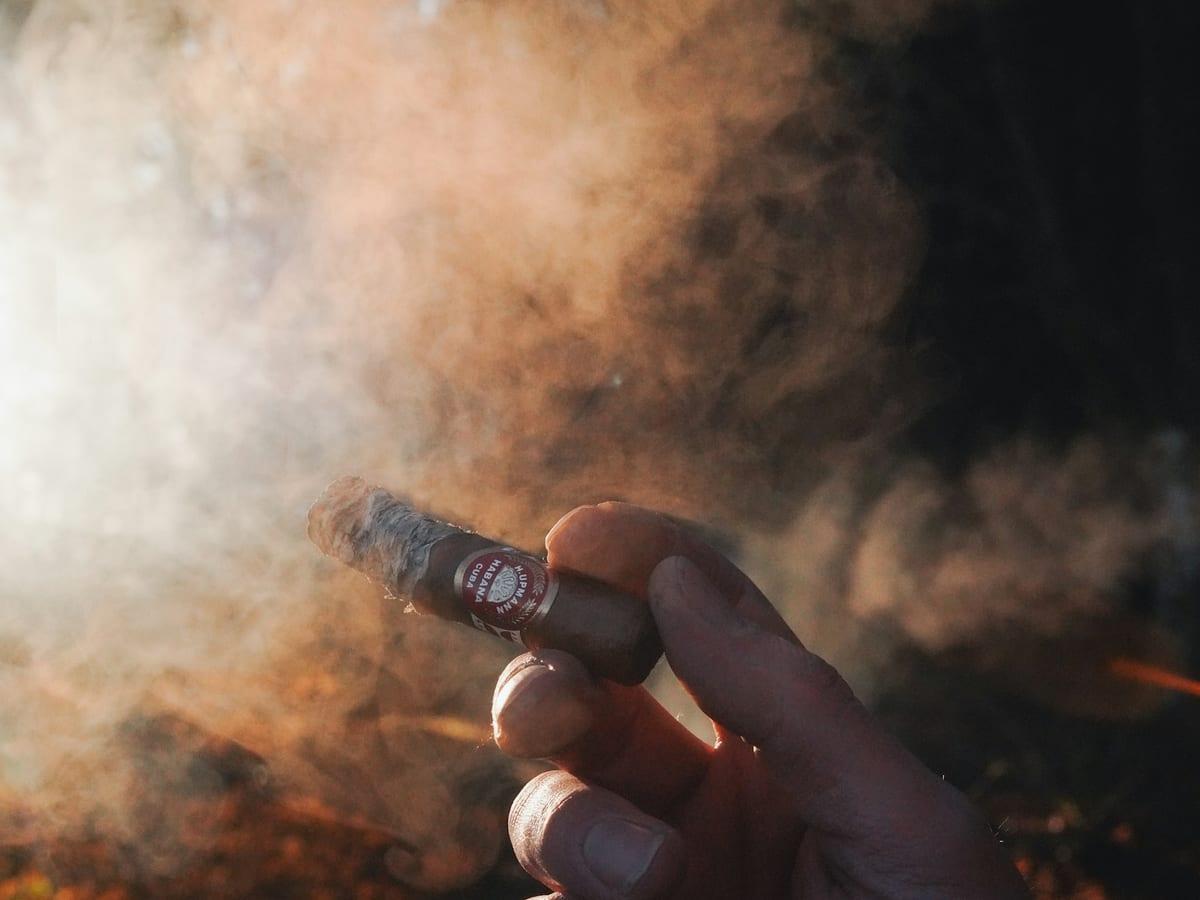
How strong a cigar feels depends not only on the cigar but on the person smoking it. A full-strength cigar that a seasoned smoker enjoys with ease can leave a newcomer pale and dizzy halfway through. The difference is tolerance, and understanding what it is, how it develops and what it does not change helps you choose cigars that suit you and avoid the discomfort of one that is too strong.
What Tolerance Is
Strength tolerance is the body's ability to handle a cigar's nicotine without discomfort, lightheadedness or nausea. It is a physical adaptation, not a skill, and it develops as the body grows used to nicotine through regular exposure. Doctors count tolerance among the signs of nicotine dependence, which is worth knowing before treating it as a goal.
Tolerance also shapes what you taste. When the nicotine overwhelms you, it crowds out the subtler notes of a cigar, so a smoker who reaches for cigars beyond their tolerance often gets less flavor from them, not more.
How It Develops and Fades
Tolerance builds gradually. Beginners do best starting with mild or medium cigars and moving to stronger ones only once those feel comfortable, rather than testing themselves against the strongest cigar in the shop. Tolerance also fades. The body's response to nicotine partly resets overnight and over a longer break, so the first cigar of the day, or the first after weeks without one, can feel stronger than you remember. People also differ from the start: they break down nicotine at different speeds, largely because of their genes, and some are simply more sensitive to it.
What Tolerance Does Not Change
Tolerance changes how strong a cigar feels far more than what it does. Studies of smokers find clear tolerance to the way nicotine makes you feel, but little or none to its effects on the heart, so a cigar that no longer makes you lightheaded is still delivering its nicotine. Nor does tolerance change the smoke itself. The US National Cancer Institute notes that every cigar smoker, inhaling or not, exposes the lips, mouth, tongue, throat and larynx to the smoke and its harmful chemicals. Cigar smoke is not meant to be inhaled, and most cigar smokers don't inhale it; doing so takes in far more smoke and nicotine, and the National Cancer Institute notes that daily cigar smokers who inhale are at greater risk of heart disease.
What Changes How Much Nicotine You Take In
Several things decide how much nicotine reaches you from a given cigar. The blend is the first: ligero-heavy cigars deliver more. Size is the second, since a bigger cigar holds more tobacco and delivers more nicotine over the whole smoke, while a slim one burns hotter and can feel strong sooner. Pace is the third. Fast puffing raises how much nicotine you take in, and because nicotine leaves the blood slowly, with a half-life of about two hours, whatever you absorb adds up over a long smoke. The same is true of a second cigar straight after the first, which adds to the nicotine still in your body from the one before. Food matters too: smoking on an empty stomach makes nicotine sickness much more likely.
Nicotine Sickness
Too much nicotine at once brings on what smokers call nicotine sickness. The usual causes are smoking too fast, smoking on an empty stomach and smoking several cigars in a row. It shows as dizziness or lightheadedness, nausea, sweating and trembling, and sometimes a racing heart. If it happens:
- Put the cigar down and get some fresh air.
- Sit down, and breathe slowly and deeply.
- Drink water, or something sweet such as juice, and eat something.
It usually passes within minutes. A racing heart is the signal to stop smoking for the day, and to get medical help if it doesn't settle. If nicotine sickness keeps happening, see a doctor.
Smoking Within Your Tolerance
Most of what keeps a cigar enjoyable is simple. Start with mild, low-ligero cigars and move to medium and full strength gradually. Eat before you smoke and keep water at hand. Take moderate, measured puffs so the nicotine builds slowly, and pause at the first sign of dizziness or nausea rather than pushing through. When you want to try a strong blend for the first time, choose it in a smaller size, so there is less nicotine in the whole cigar. And keep a few notes on which cigars felt too strong and which were comfortable: they will tell you more about your own tolerance than any rating on a box.