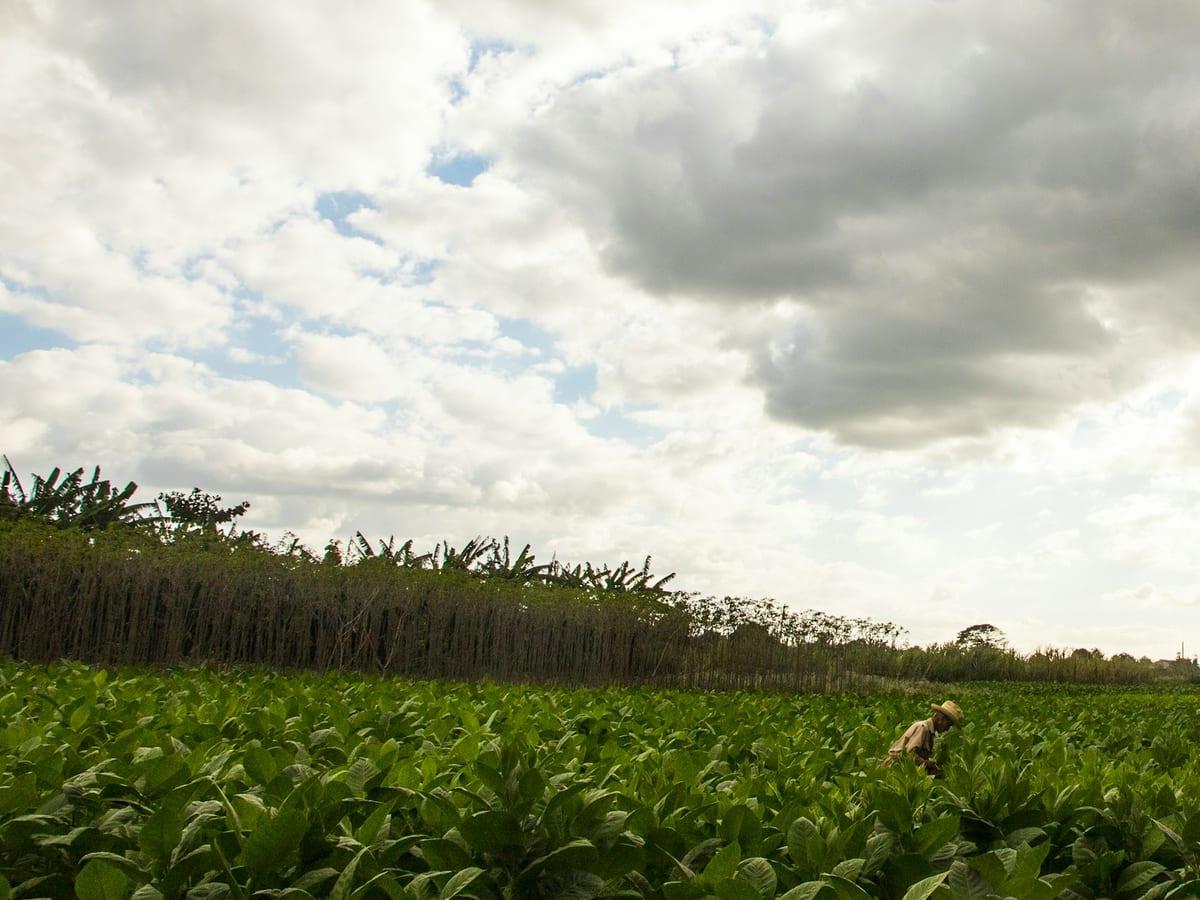
Nicaragua is, with Cuba and the Dominican Republic, one of the three great cigar countries of the Americas, and the newest of them. Its tobacco regions lie in the cooler north: Estelí, the cigar capital; Jalapa, near the Honduran border, which grows much of the wrapper; and Condega between them, with Ometepe, an island in Lake Nicaragua, a smaller and very dark leaf. This lesson follows the country from its first factories to its place today among the leading premium exporters, and names the families that built it.
The first factories
Nicaragua's modern cigar industry is a child of the Cuban Revolution. After Fidel Castro's government nationalized the Cuban cigar factories from 1960, owners, growers and rollers left the island, and some looked to Nicaragua's volcanic soil, which grew leaf with a familiar bold, earthy character. Cubans began growing cigar tobacco there in the early 1960s, and in 1968 two Cuban exiles, Juan Francisco Bermejo and Simón Camacho, founded the Nicaragua Cigar Company in Estelí, the maker of Joya de Nicaragua, the country's first cigar brand. The country's ruler, Anastasio Somoza Debayle, took a share of the company in the early 1970s, with Daniel Rodríguez as his partner. Estelí, a small city founded in 1685, became the home of the new industry.
José Orlando Padrón, born in 1926 in Pinar del Río, fled Cuba and reached Miami, where he worked as a carpenter and saved the six hundred dollars to start a one-roller shop in 1964. In 1967 he began buying leaf from the Jalapa valley, and in 1970 he moved production to Estelí, founding Padrón Cigars, the family company known for its box-pressed cigars. By the time Nicaragua's revolution and war broke out in the late 1970s, the country had two famous names, and the upheaval that followed interrupted them both: the Sandinista takeover of 1979 and the fighting and U.S. embargo of the 1980s destroyed factories and pushed some production across the border into Honduras for a time. Padrón asked his workers to stay on and, after speaking with a Sandinista official, returned to work in Estelí; Joya de Nicaragua passed through harder times, was bought by Alejandro Martínez Cuenca in 1994, and rebuilt its name on a spicy cigar called the Antaño 1970.
The three valleys
Nicaragua's leaf is usually divided by where it grows. Estelí, flat and volcanic, gives the strong, peppery, full-bodied fillers that define the country's reputation; it is also where most of the factories stand, among them those of Padrón, Perdomo, My Father and Joya de Nicaragua in the city itself. Jalapa, cooler and wetter, near the Honduran border, grows a milder, sweeter, more aromatic leaf, and supplies much of the wrapper and the softer viso. Condega, between the two, produces a leaf that sits in the middle. Each valley is named on the boxes and blends of the makers who buy from them, and together they let a blender build a cigar from three different Nicaraguan characters without leaving the country.
The makers
The growth of Nicaragua came from Cuban exiles and their children, and the families they founded dominate the country today. Padrón grew from José Orlando's Miami bench into one of the most admired brands in the world, run through three generations, with José Orlando leading until his death in 2017. Joya de Nicaragua remains the oldest maker. The Plasencia family, growers first, farm leaf across Nicaragua and Honduras and make cigars under their own name; Néstor Plasencia was the one who first planted Cuba's Habano 2000 seed in Nicaragua, in 1996. Aganorsa Leaf farms wrapper in Jalapa, A. J. Fernandez grows Criollo 98 on his San Ramón farm and rolls in Estelí, and My Father Cigars, the Garcia family of Don José "Pepín" Garcia, opened its Estelí factory in 2009 after making its name in Miami. Drew Estate, founded by the American Jonathan Drew in the late 1990s, built Estelí's largest factory and helped turn the city into an international source.
A leading exporter
The result is the country's standing today. Nicaraguan cigars made their name for strength and spice, and makers and smokers alike came to trust them for consistency, partly because the makers grow and ferment much of their own leaf. In 2016 Nicaragua passed the Dominican Republic as the largest exporter of premium, handmade cigars into the United States, the biggest market, by the count of the Cigar Association of America. The Dominican Republic still earns more from its cigar exports, but Nicaragua's rise from its first factory in 1968 to the head of the premium trade in under fifty years is the fastest in the cigar world.