Britain is the market that taught the rest of the world how to smoke a cigar. It produced no leaf of its own and so put its energy into choosing, importing, aging and selling, and London's cigar merchants set a standard others copied. This lesson follows the trade from the first pipes and snuff to the cigar of the Victorian age and the modern importers and shops, and it agrees with the Industry topic's British Cigar Import Dynasty and the Special lounges & shops topic's Davidoff of London.
An importer, not a grower
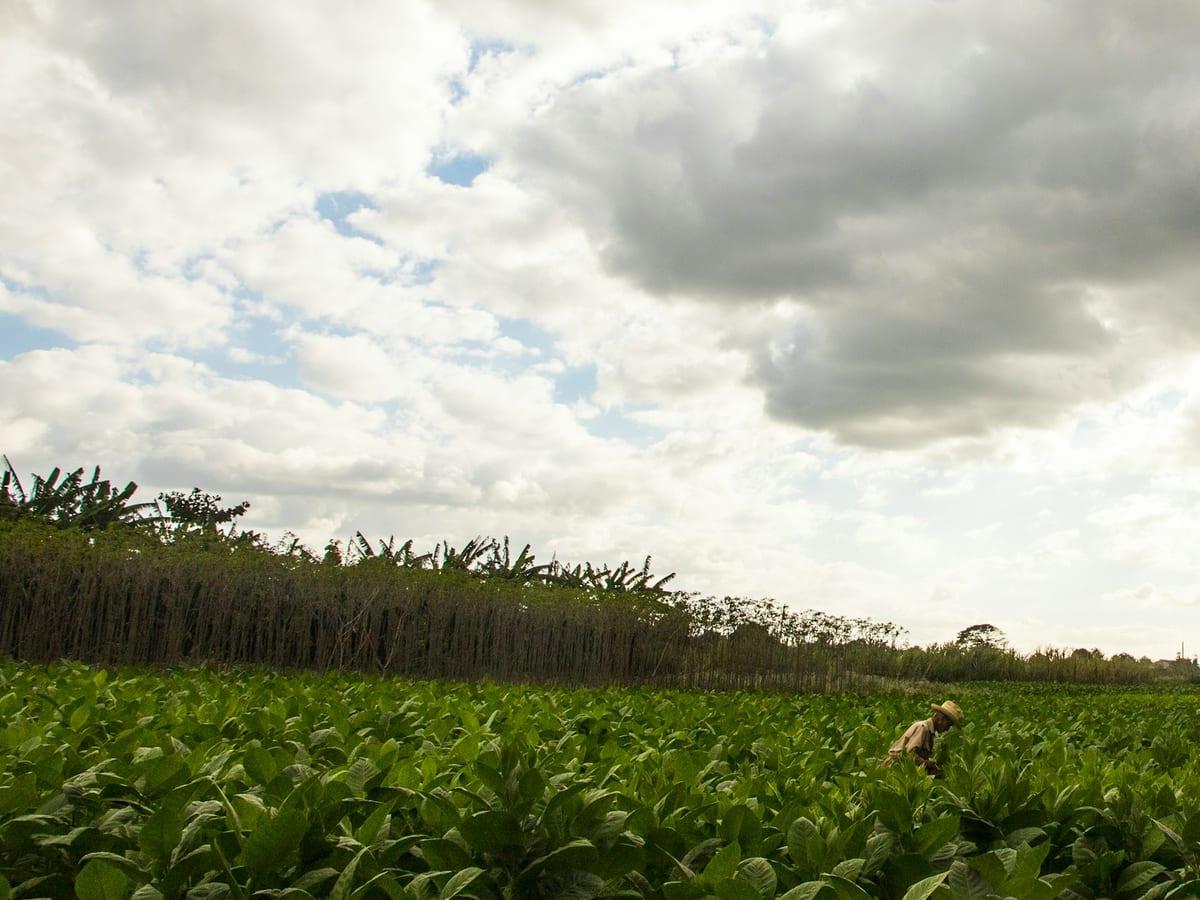
Tobacco came to Britain not as a crop but as a cargo. Sir Walter Raleigh and the Virginia colonies made the leaf familiar from the late 16th century, and Britain took it up as snuff and pipe tobacco before the cigar arrived. The cigar itself returned with the officers of the Peninsular War against Napoleon, who came home in the 1810s with the Spanish and Havana cigars they had learned to smoke on campaign. Britain's climate is unsuited to growing tobacco, and its empire's trade made importing cheap, so the country never became a grower; it became a merchant, and London, Liverpool and Glasgow turned into the ports where colonial and Cuban tobacco landed, was stored and was sold on to the rest of Europe.
The London merchants
The trade settled in a few streets of St James's. Old merchants such as James J. Fox, whose shop on St James's Street reaches back to the late 18th century, and Alfred Dunhill, who opened his tobacconist on Duke Street in 1907, made that quarter the address for fine cigars. The deepest link to Havana, though, was J. Frankau & Co. Joseph Frankau, a merchant from Frankfurt, settled in London in the late 1830s and imported leeches and cigars, and from the 1850s his firm was the sole British importer of H. Upmann. When the Upmann family's bank in Havana collapsed in 1922, J. Frankau bought the H. Upmann brand and factory, and in December 1933 it sold the first H. Upmann cigars in aluminum tubes. The firm later passed to the Freeman family, five generations in the cigar trade, and in the 1930s it sold the factory to Menéndez, García y Cía, the makers of Montecristo, while keeping the right to sell H. Upmann in Britain.
Hunters & Frankau
The Freeman family drew the fragments together. Their firm, J. R. Freeman & Son, had bought J. Frankau in 1935, and in 1954 they also acquired John Hunter, Morris & Elkin, the oldest Havana importer in Britain, whose history goes back to 1790. Nicholas Freeman, a chartered accountant, merged the two as Hunters & Frankau, putting the older name first, and in 1979 led a management buyout of the cigar business backed by the bank Hambros. He then consolidated the market itself: in 1990 Hunters & Frankau bought Knight Brothers, the agent for Romeo y Julieta, and in 1993 Joseph Samuel & Sons, the agent for Punch, Bolívar and Hoyo de Monterrey, which left it as the only importer of Cuban cigars into the United Kingdom. By the mid-1990s it imported about five million Cuban cigars a year and kept at least a year's stock on hand, and it has gone on aging Cuban cigars in its own warehouses for a decade or more, adding a second band with the year, the "English tradition of the great aged cigar" in the words of its Simon Chase. The Habanos S.A. topic explains the importer system it belongs to.
Britain's long taste for Havana even left a mark on the boxes themselves, which some Cuban factories once stamped "English Market Selection." British buyers were known as the most particular in the world, and the firms that served them built their names on that.
Davidoff of London
The retail side of the British tradition is Davidoff of London. Edward Sahakian, who had left Iran during the revolution, opened the shop in May 1980 on the corner of St James's Street and Jermyn Street, as Davidoff's first store in Britain, and Zino Davidoff came to the opening with a box of Dom Pérignon cigars. Sahakian turned it into one of the most respected cigar shops anywhere, known for its aged Cuban cigars, some decades old, and since 2008 he has run it with his son Eddie. His honors include the Habanos Man of the Year award for retail. Where Hunters & Frankau is the wholesale gate for every Cuban cigar that enters Britain, Davidoff of London is the shop that shows how they are sold, and the two together stand for the two sides of a country that has never grown a single wrapper leaf of its own.