A cigar in 1900 was a handmade object from a handful of countries; a cigar in 2000 could be handmade or machine-made, from half a dozen origins, and the center of gravity had moved. This lesson covers the machine and the hand, the effect of the two World Wars, the nationalization of Cuba's industry and the birth of Cohiba, and the rebuilding of the premium trade outside Cuba. The Rise of Premium Cigars Globally and Cigar Boom (90s) take up the later parts in detail.
The machine and the hand
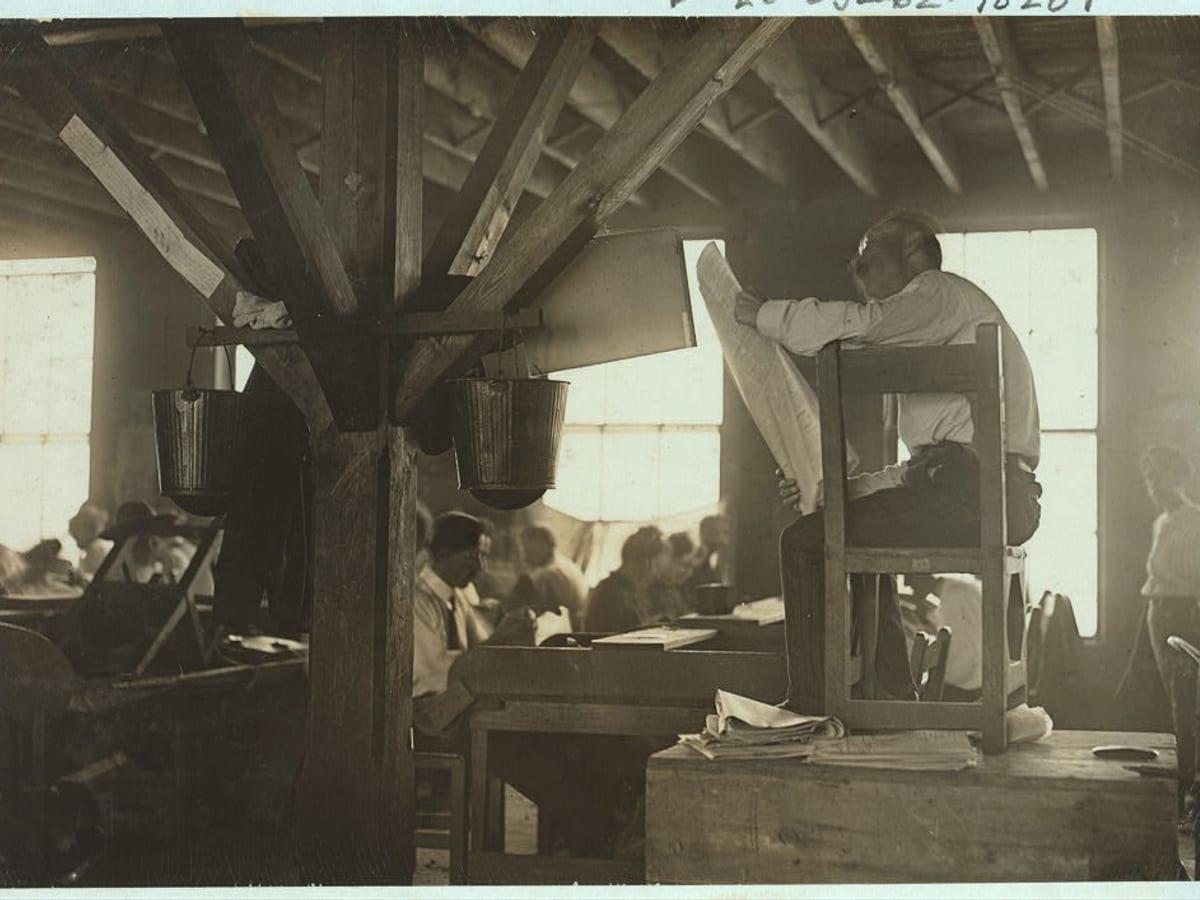
The century began with the machine taking tobacco's mass market. The cigarette-rolling machine invented in 1881 already showed where volume would go, and machine-made cigars, rolled and finished without a torcedor's hand, took over the everyday American cigar from the early 1900s. Cuba stood apart, holding to the hand-rolled cigar as its point of pride, which is one reason "Cuban" and "handmade" came to mean nearly the same thing. The premium cigar of the century was defined against the machine: a *puro*, rolled by hand from whole leaf, where the mass cigar used chopped filler and a paper or homogenized wrapper.
Two wars and their effect
The two World Wars shook the trade's geography. The First World War broke the European markets that had bought Cuban and American cigars, and the Second cut the shipping lanes again. When Cuba's exports could not reach Britain during the Second World War, the London importer that held the H. Upmann agency made cigars for its own market in Jamaica rather than go without. War also spread the habit: the cigar's association with soldiers and senior officers, and with leaders from Churchill onward, is a product of those years, and Churchill's own taste, acquired on a visit to Cuba in 1895, made him the century's most famous smoker, as the Cigar Personalities lesson on him recounts.
Revolution and Cohiba
Cuba's politics recast the industry. After the 1959 revolution the new government nationalized the factories, and in 1962 it set up Cubatabaco to run them; the families who had owned them rebuilt their brands abroad, as earlier lessons here describe. Cuba then produced a brand of its own, Cohiba, begun in 1966 at the El Laguito factory in Havana and reserved at first for the country's leaders and as a diplomatic gift, with an extra barrel fermentation, before going on sale to the public in 1982. Trinidad, a second diplomatic brand made at the same factory from 1969, stayed private even longer and is the subject of the next lesson. Cohiba became the Cuban cigar's flagship and its global icon.
Rebuilding outside Cuba
The rest of the century belongs to the exiles. The Dominican Republic, Nicaragua and Honduras rebuilt the premium trade they had brought from Cuba, and by the 1990s their cigars stood beside Cuban ones; the Dominican Republic became the largest producer, Nicaragua the source of the boldest leaf, and the United States their chief market. The century ended, in the 1990s, with a boom that no one had predicted, and Cigar Boom (90s) tells it.