Lessons
- 1Origins of Tobacco Use9 min readTobacco is an American plant, and people of the Americas were using it thousands of years before Europeans arrived. The oldest known traces are charred tobacco seeds in a hearth in Utah's Great Salt Lake Desert, about 12,300 years old. Early peoples gathered the wild plant and then grew it, selecting for larger leaves and more nicotine, and they built it into medicine, trade and ceremony. When Spanish ships reached the Caribbean at the end of the 15th century, the Taíno people were already smoking rolls of dried leaves, the ancestor of the cigar.
- 2Introduction to Europe8 min readTobacco crossed the Atlantic as a medicine before it crossed as a pleasure. Spanish sailors brought the plant home in the early 16th century, and it was first grown in the monastery gardens of Iberia, studied for what it might cure. Jean Nicot, the French ambassador in Lisbon, sent it to the French court in 1559, and the plant took his name; King James I of England answered the fashion in 1604 with a pamphlet denouncing it and a heavy tax. From pipe and snuff, Spain's own cigar factories carried the rolled form back into the world.
- 3Cuba's Golden Age7 min readCuba became the world's standard for cigars in the 19th century. Spain ran the island's tobacco through a royal monopoly from 1717 until an 1817 decree let growers export freely, opening the door to the family factories of Havana. In the decades that followed, founders from Spain, Germany and beyond built the brands that still define premium cigars, among them Por Larrañaga (1834), H. Upmann (1844), Partagás (1845) and Romeo y Julieta (1875), with Montecristo following in 1935. The leaf came from the Vuelta Abajo, and the work was done by hand.
- 4The Rise of Premium Cigars Globally6 min readThe Cuban Revolution of 1959 and the American embargo that followed broke the link between Havana's tobacco and the world's largest market. The rollers and growers who left Cuba carried the seed and the skill with them, and rebuilt the industry in the Dominican Republic, Nicaragua and Honduras. The Dominican Republic became the largest producer of premium cigars, Nicaragua supplied bold, dark filler and increasingly fine wrapper, and Honduras grew into the third pillar, until cigars from these three countries stood beside Cuban ones.
- 5Impact of US Embargo and Geopolitics7 min readThe United States embargo on Cuba, formalized in 1962, cut the world's largest market off from Havana. Before it, American factories in Tampa and Miami blended Cuban leaf into their own cigars; after it, that leaf was gone. Cuba redirected its cigars to Europe, Canada and the Soviet bloc, and the embargo's rivals — the Dominican Republic, Nicaragua and Honduras — absorbed the trade the United States would no longer do with Cuba. The ban also gave Cuban cigars a "forbidden" prestige that no amount of advertising could have bought.
- 6Cigars in the 20th Century6 min readThe 20th century split tobacco into two worlds: a mass product made by machine, and a premium cigar still made by hand. Cigarettes and machine-rolled cigars came to dominate, the two World Wars disrupted the old trade routes, and in Cuba the revolution nationalized the factories and created Cohiba, the state's own brand. Meanwhile the hand-rolled cigar, driven out of Havana, was rebuilt in the Dominican Republic, Nicaragua and Honduras, and by the century's end it was a global craft again.
- 7Dinner of the Century6 min readThe Dinner of the Century was a single evening in Paris, in 1994, that made a diplomatic secret public. Marvin R. Shanken, the publisher of a leading cigar magazine, gathered an international room at the restaurant Laurent and served a cigar that had never been sold, the Trinidad, which until then had been made only for Fidel Castro's government and its guests. A charity auction of signed boxes followed, and the Trinidad took its first steps toward the shop counter.
- 8International Cigar Festivals6 min readCigar festivals grew up as the boom's legacy, turning the trade's annual gatherings into public events. The Festival del Habano, first held in Havana in 1999, is the flagship, with new Cuban releases, tours of the Pinar del Río farms and the Habanos Awards. The Dominican Republic counters with Procigar, Nicaragua with Puro Sabor around Estelí, and the trade meets at InterTabac in Germany, while the Big Smoke draws smokers in the United States.
- 9Cigar Boom (90s)7 min readIn the early 1990s American imports of premium cigars had been flat for a decade at about 100 million a year. Then they took off, more than quadrupling by 1997, on a wave of prosperity, celebrity and a new cigar magazine. Makers could not keep up, quality slipped, and in 1997 the boom broke, leaving the survivors — and a market of thicker, better cigars — behind it.
Next in Regions & Heritage
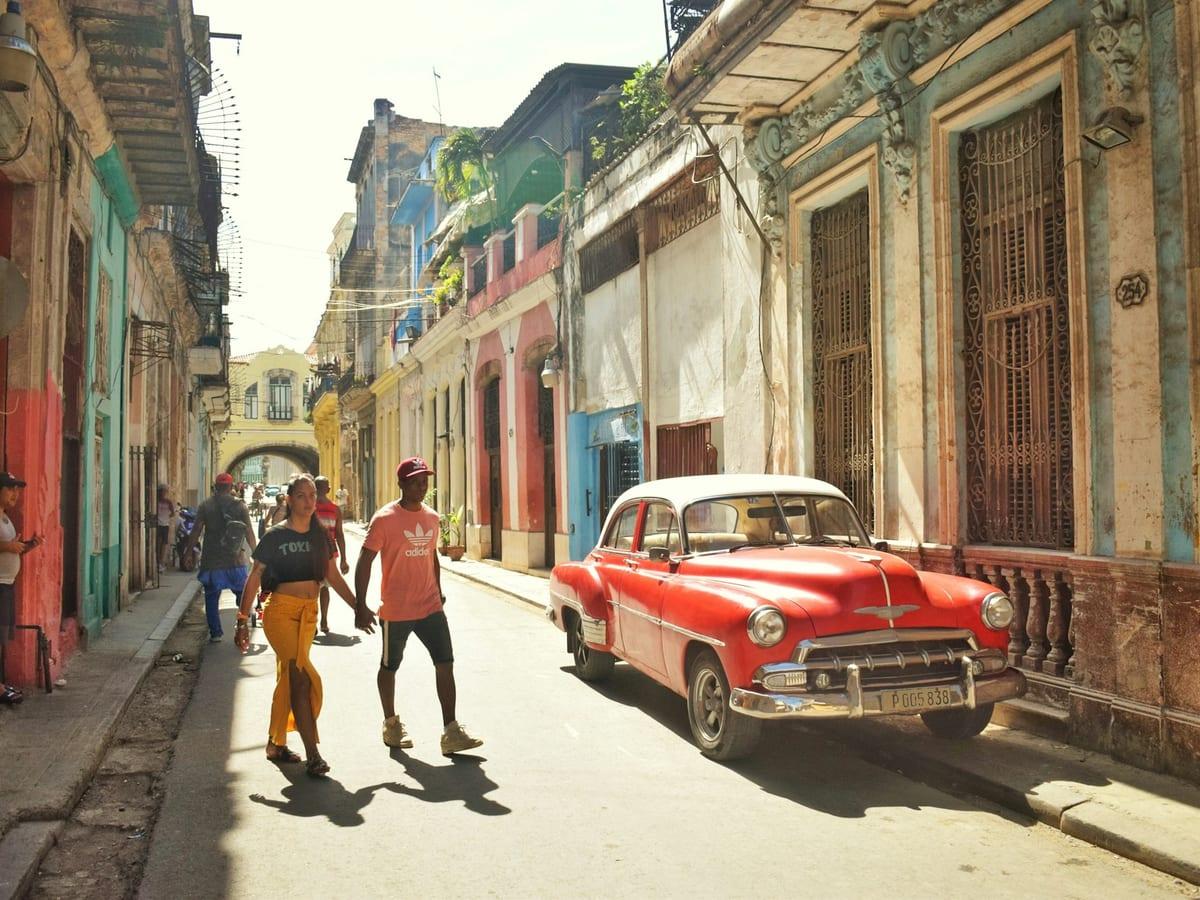
Cuban vs. Non-Cuban
Cuban vs non-Cuban style profiles.
4 lessons · 38m read · 47 quizzes
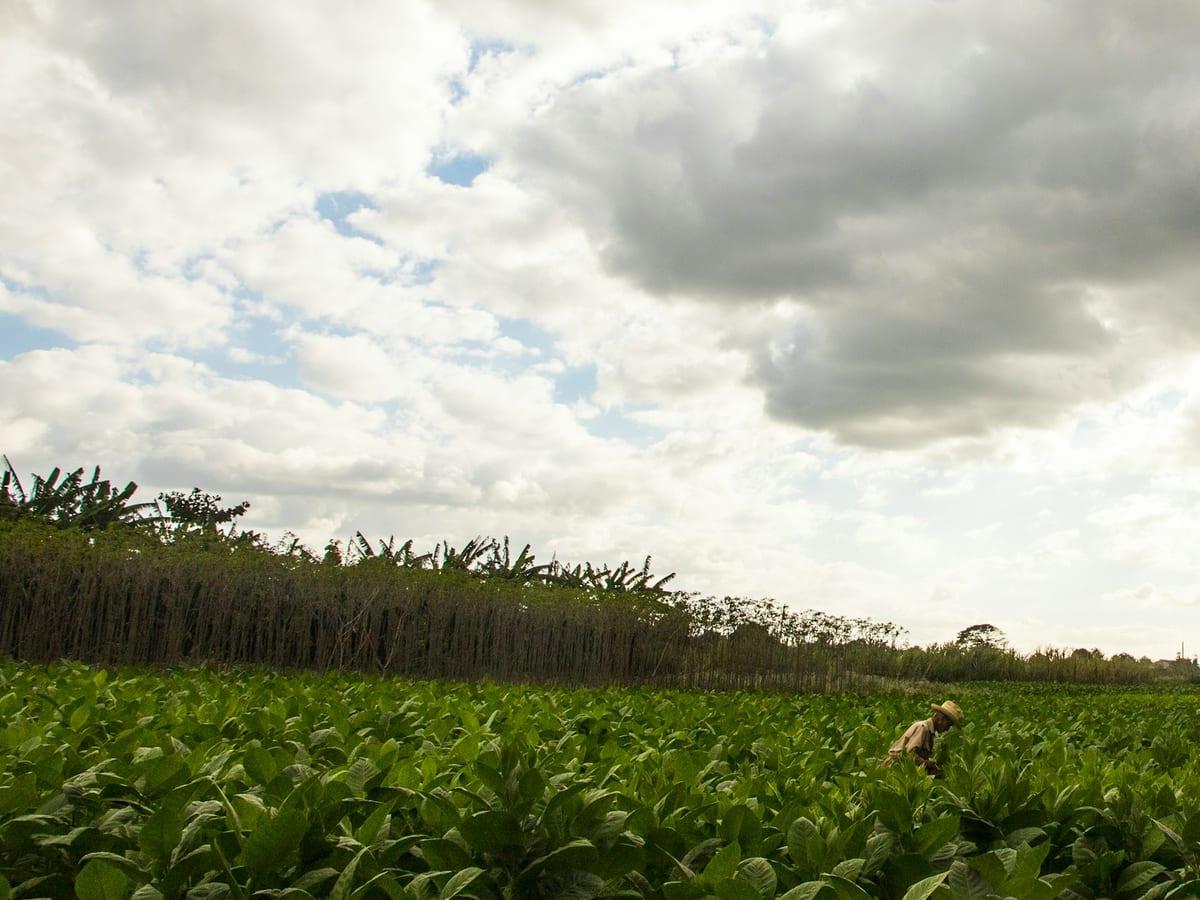
Tobacco by Nation
National systems, policy, production.
6 lessons · 72m read · 71 quizzes
Habanos S.A.
Habanos structure and marca strategy.
7 lessons · 76m read · 71 quizzes
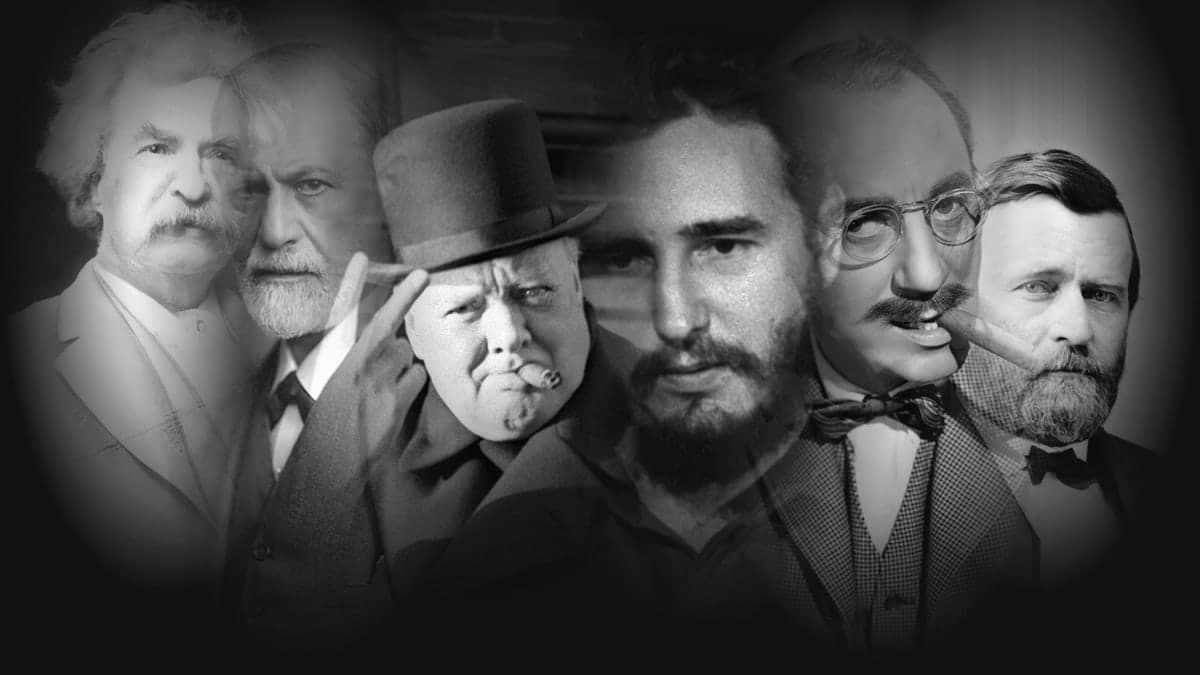
Cigar Personalities
Influential figures in cigar culture.
17 lessons · 107m read · 110 quizzes