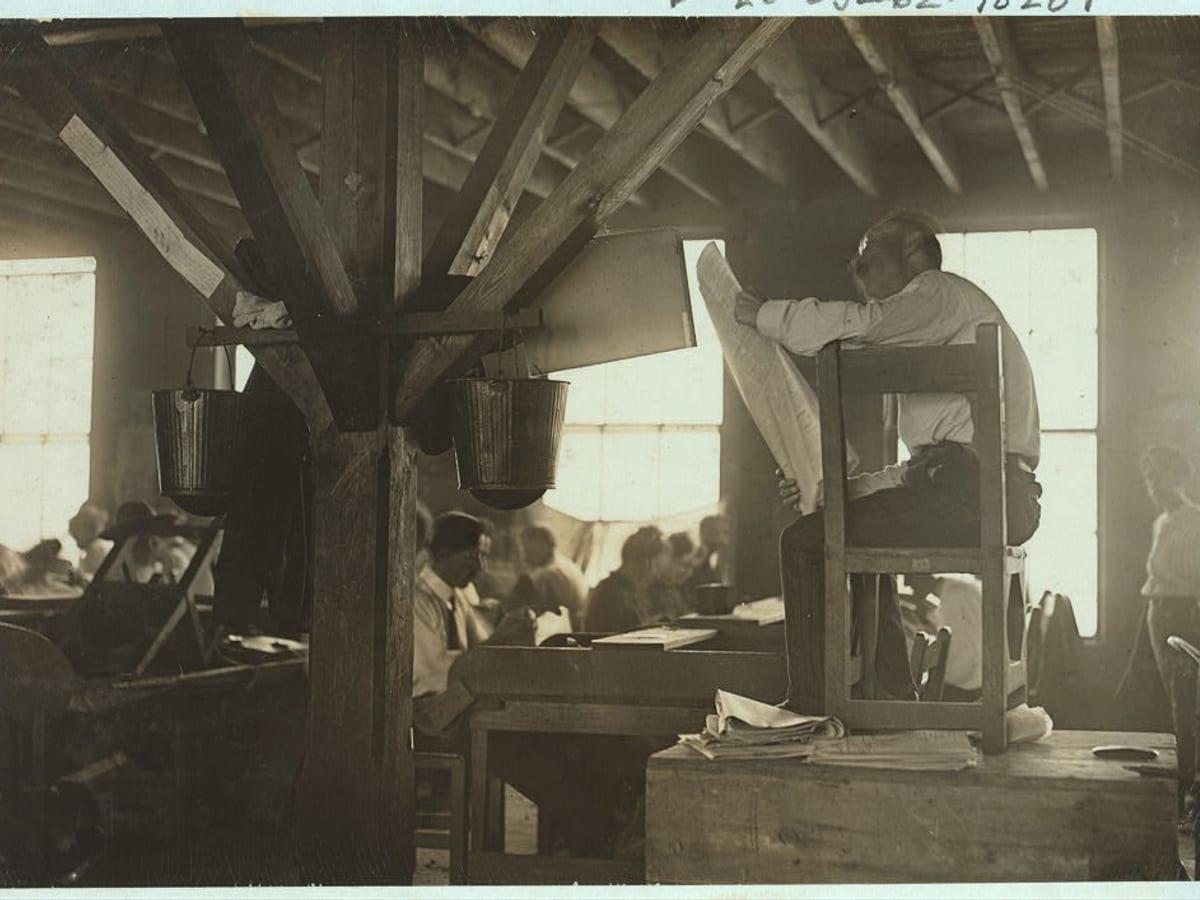
The word "Cuban" has meant quality in cigars since the 1800s, and that reputation was built in a specific place and time. This lesson covers how Spain's monopoly shaped the island's tobacco, how its end in 1817 opened the great age of the Havana factories, the families and brands that made it, and the people and fields behind them. Tobacco Regions describes the growing areas themselves; Cigar Personalities tells the stories of several of the families and makers in detail.
The estanco and its end
For a century before its golden age, Cuban tobacco belonged to the crown. In 1717 Spain made tobacco a state monopoly, the *estanco*, and channeled the island's leaf through Seville and its great factory, the Real Fábrica de Tabacos, so that the crown took the profit from every leaf. The system squeezed growers and fueled protest, but it also concentrated skill in a few hands. In 1817 a royal decree ended the monopoly in Cuba, and growers and merchants were free for the first time to buy, roll and export on their own account. That single change is the pivot on which the golden age turns: with the state out of the way, the factories and brands that made Havana famous could be founded and could grow.
The founders and their brands
What followed was an age of family factories. The brands set up in the heart of Havana through the 1800s were begun largely by immigrants and outsiders who saw the island's leaf for what it was. Por Larrañaga opened in 1834, the oldest brand still made in Cuba today. The German banker Hermann Upmann founded H. Upmann in 1844, and gave his bank's customers the brand's cedar boxes as gifts, one of the first uses of the box as a presentation piece. Don Jaime Partagás, a Catalan, opened his factory in 1845 behind what is now Havana's Capitolio and made Partagás a byword for full flavor. Punch came around 1840, and Romeo y Julieta in 1875, founded by Inocencio Álvarez and Manín García; under José "Pepín" Rodríguez the brand became famous for its personalized bands, printed by the hundreds for individual customers. These names, with others, turned Havana's streets into the addresses of the cigar world. Spanish, German and Jewish entrepreneurs were among the founders, drawn by the matching of Cuban leaf with European capital and trade connections.
The age also set how a Cuban cigar was made and understood. The roller, the *torcedor*, bunched the filler by hand, wrapped it in binder and finished the head with a cap, working by feel to a *vitola*, the fixed set of sizes and shapes each brand offered. The leaf itself came first of all from the Vuelta Abajo, the region of Pinar del Río that the tobacco-growing lessons describe in detail, where the thin red soil gives the wrapper its character.
A standard for the world
By the late 1800s Havana's cigars were known on both sides of the Atlantic, and the island's exports grew through the century. The brands of the golden age insisted on hand work even as the cigarette machine arrived elsewhere, and their names carried a prestige that crossed borders. That prestige fed a culture around them: the collecting of bands and boxes, and the habit of the cigar among the powerful and the famous. The golden age did not end at the century's turn; brands kept coming, most notably Montecristo, founded in 1935 by Alonso Menéndez and named after Alexandre Dumas's novel *The Count of Monte Cristo*, and known for naming its sizes by number rather than by length. What ended the age was not the market but politics, and Cigars in the 20th Century takes the story into the revolution that followed.