A man who loses a tobacco farm to a revolution and builds a cigar company in a new country leaves more than a business behind; he leaves a standard. The 1926 Series is the Padrón family's statement of that standard, a cigar rolled from tobacco the family grows and ages itself. This lesson tells the founder's story, what the series is, and why it is bought as much for its consistency as for its flavor. The Padrón lesson in Major Cigar Brands covers the house, and Cigar Personalities tells José Orlando Padrón's life.
The founder's road
José Orlando Padrón was born in 1926 in Cuba, into a family that grew tobacco. After Fidel Castro's government confiscated the family's farms in 1961, he left Cuba, spent time in Spain and New York, and settled in Miami, where a small hammer, a friend's gift, let him work as a carpenter and save the six hundred dollars that launched Piloto Cigars in 1964. By 1970 he had opened a factory in Estelí, Nicaragua, drawn by its volcanic soil. In 1978, as the revolution against Somoza spread, rioters burned the factory to the ground; he kept production going, and when the United States banned Nicaraguan goods in 1985 he moved to a second factory in Danlí, Honduras, returning to Estelí in 1990.
The cigar
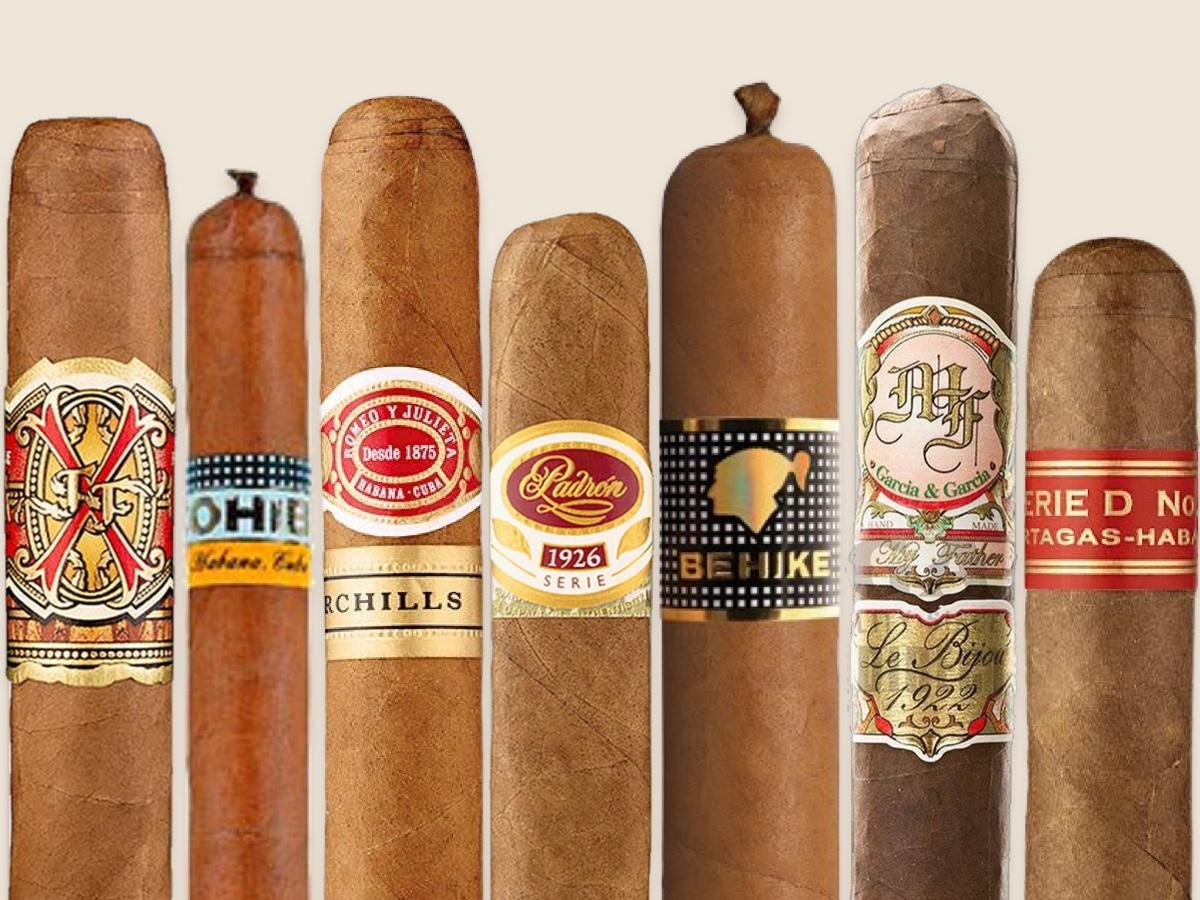
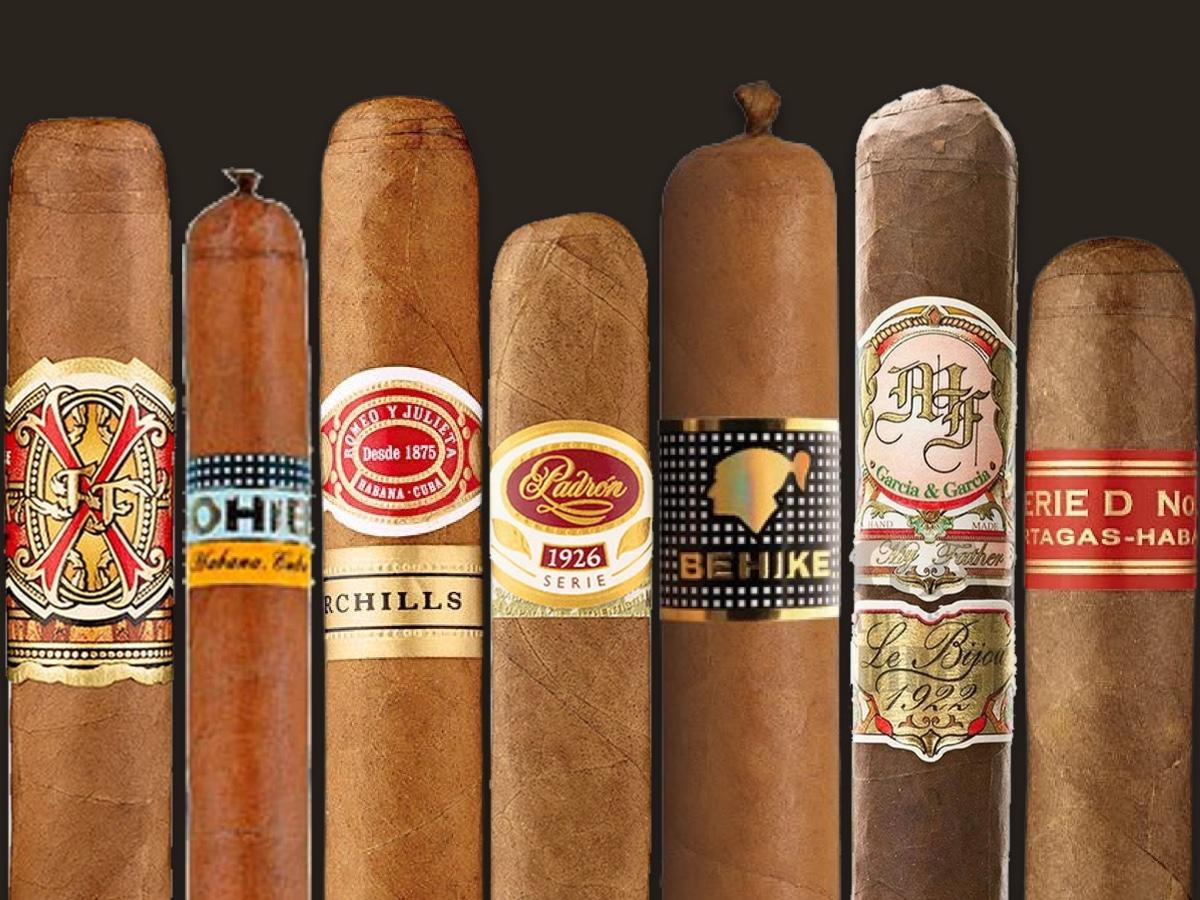
In 2002 the family unveiled a new line named for the year of José's birth, 1926. It is a Nicaraguan puro, a cigar whose filler, binder and wrapper are all grown in Nicaragua, and the tobacco is aged for at least five years. Every size is box-pressed, squared off the way Cuban cigars once took the shape of the box they were packed in, an idea the founder brought with him from Cuba. It comes in a natural wrapper or a darker, sweeter maduro, and each cigar carries a numbered band.
The sizes
The series runs from a short No. 35, a petit robusto of 102 mm by 48 ring (4 in × 48), up through full-sized cigars, all of them pressed. The catalogue lists the No. 35 as the line's brief smoke. Whatever the size, the blend is the point: full-bodied, with cocoa, coffee, earth and pepper over a smooth, long finish, and a construction so even that Padrón is often held up as the measure of a well-made cigar.
Why it matters
The 1926 Series stands for something the family had to earn the hard way: that a cigar made outside Cuba, from seed to band, could equal the best of Havana. It is not a limited release but a fixed line, made year after year and aged the same way, which is why smokers treat it as a benchmark rather than a one-off.