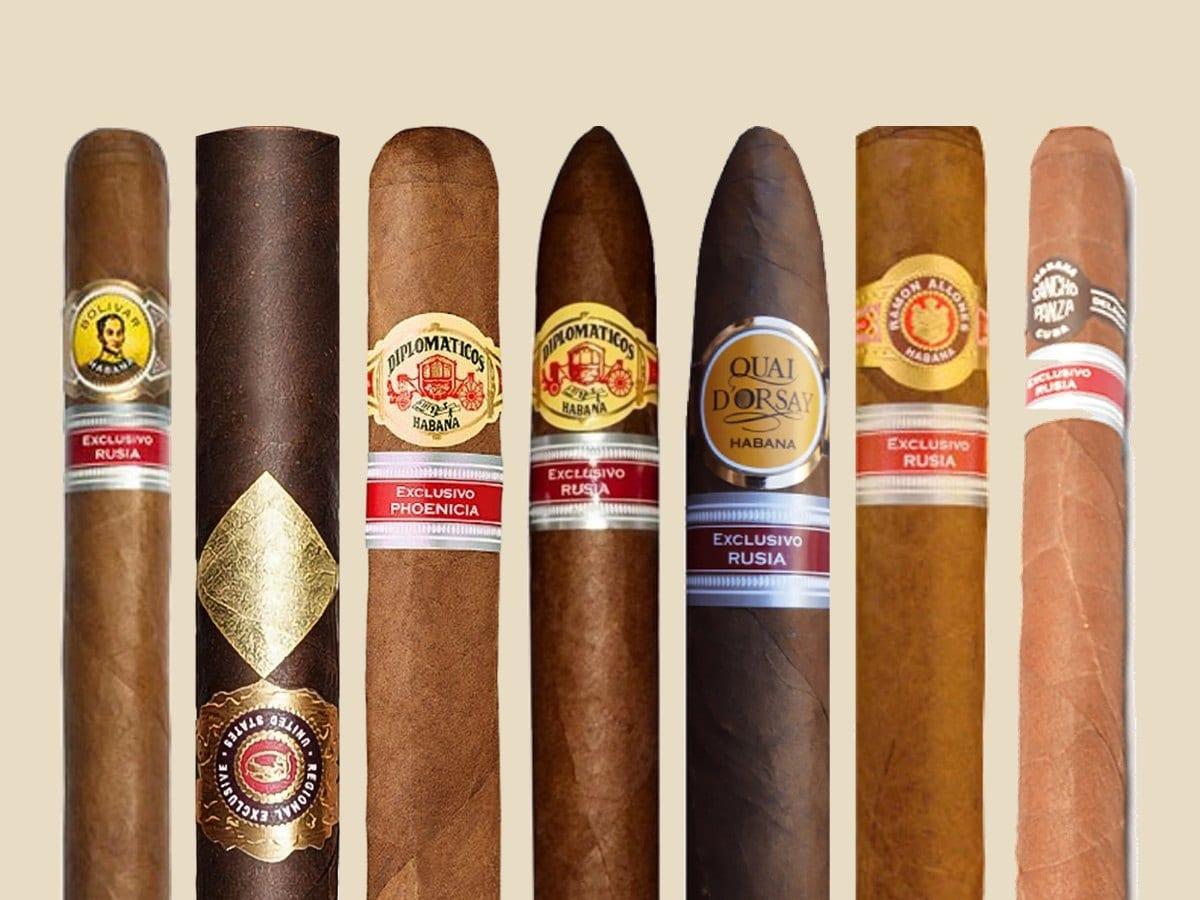
The regional edition did not arrive fully formed. It grew out of a practice that already existed, quietly, and then became a written programme with rules that have changed several times since. This lesson follows the launch in 2005, the first releases, the way the programme spread across Europe and Asia, and the rules that govern it today. It ends with the releases that have become benchmarks. The Introduction to Regional Editions lesson defines the cigar itself, and the Types of Regional Editions lesson sorts it from the other special releases.
Before 2005
The idea of a market-exclusive Cuban cigar predates the programme. Before 2005, a distributor could already commission an exclusive cigar for its territory, but such cigars carried no special band or marking and looked like ordinary stock. That made them quiet one-offs rather than a collectible series. Habanos formalised the practice in 2005, giving it a name, a second band, and rules, so that a regional edition could be recognised at a glance and collected across markets and years.
The launch in 2005
The first year of the programme produced five regional editions, all from two of the less well-known brands, Punch and Ramón Allones. Italy commissioned two, the Punch Superfinos and the Ramón Allones Selección Suprema. Switzerland commissioned two of its own, the Punch Robusto and the Ramón Allones Eminencia. The United Kingdom's first was the Ramón Allones Belicosos Finos. These early cigars wore a plain second band without the region's name, which was added soon after, but the structure the whole later programme would follow was already there: an uncommon size in a lesser-known brand, made once, for one market.
How it spread
The next two years filled in the map. In 2006 Germany took the Bolívar Colosales and the Por Larrañaga Lonsdales; France took the Bolívar Libertador and the Juan López Obus; and Asia-Pacific, the region covered by the distributor for most of the Pacific and East Asia, took the Punch Super Robustos de Punch and the Ramón Allones Estupendos. In 2007 Spain entered with the Vegas Robaina Maestros, the Benelux countries with the Ramón Allones Gran Robusto, and Canada and the Middle East with releases of their own. By 2008 single years were already carrying over a dozen regional editions across Europe, Asia and the Americas, and the brands had widened beyond Punch and Ramón Allones to Bolívar, Quai d'Orsay, Por Larrañaga, El Rey del Mundo, Juan López, Vegas Robaina and others.
The demand built on two things. The releases were genuinely scarce, each tied to one market with a numbered run, and they came from brands with strong local followings. A brand like Quai d'Orsay, long associated with France, made a natural French regional edition, and France has drawn on it repeatedly, from the Quai d'Orsay Robusto Embajador in 2011 through later releases. Spain has done the same with its own market's favourites. By the early 2010s the programme had already produced more than a hundred releases.
The rules in practice
The programme's rules have tightened as it has grown. Only the official distributor for a market may commission a release, and it commits to a minimum order of 25,000 cigars, paid up front. Up to 2012 a distributor could commission several regional editions in a single year; since then each region has been limited to one release a year, though a large distributor that covers several territories can still order one for each. Since 2016 a region has also been barred from using the same brand two years running.
The brands, too, are constrained. Regional editions are drawn from the less well-known of Habanos's 27 brands, never from the global flagships such as Cohiba, Montecristo, Romeo y Julieta, Partagás and Hoyo de Monterrey, which sell everywhere under their own names. A reorganisation of the brand ranges in 2019 widened the field slightly, making Cuaba and San Cristóbal de la Habana eligible where they had not been before. All of this keeps the programme on the quiet, local brands where a rare size feels like news rather than noise.
A benchmark release
The release most often held up as the measure of the programme is the Ramón Allones Phoenicio, made in 2008 for Lebanon and the Middle East. It came early, in a market whose smokers favour full-bodied blends, and it became the start of a long string of Phoenicio editions in the same brand that collectors have followed ever since. Other markets have built their own local landmarks in the same way, from Canada's run of Ramón Allones releases in the early 2010s to the Punch ManTua for Italy in 2019, and the Types of Regional Editions lesson describes how those repeat series work.