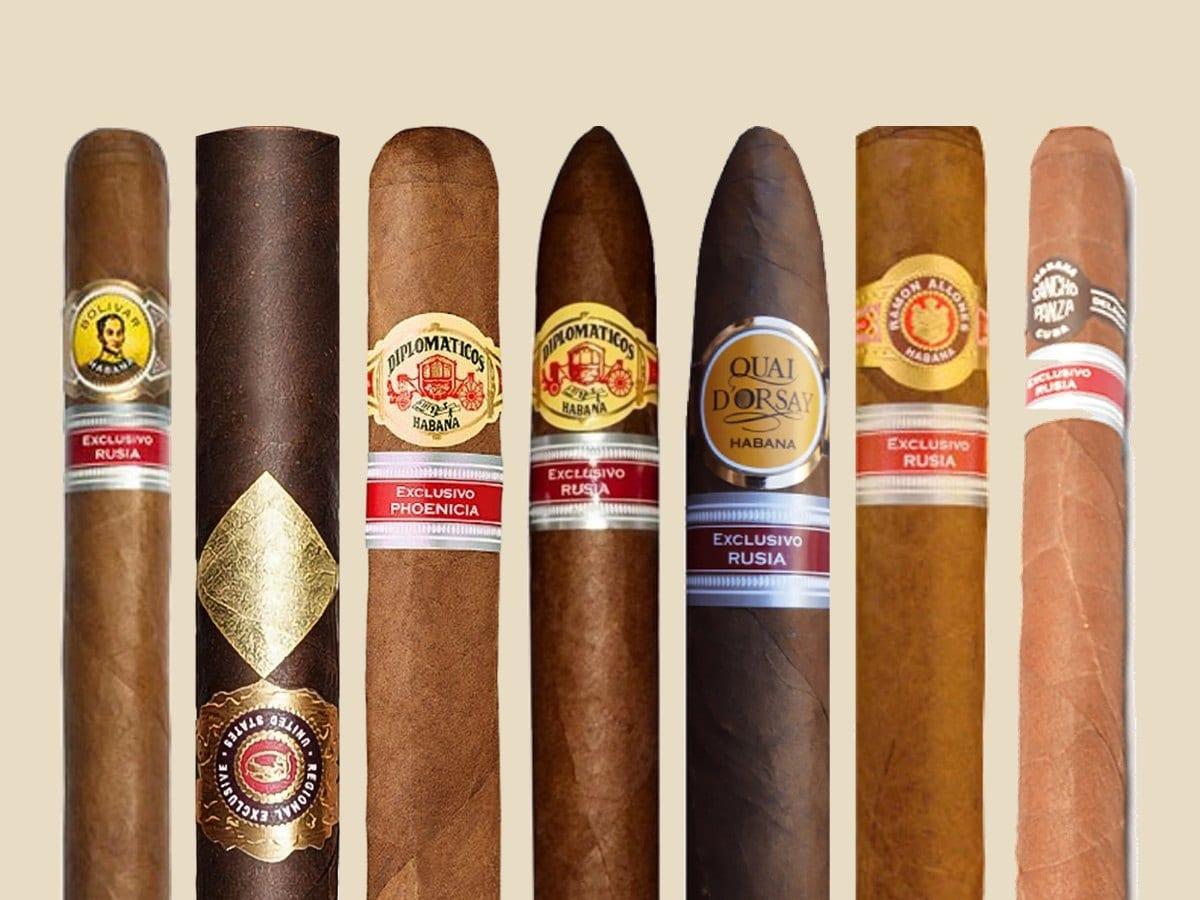
Most Cuban cigars are regular production, the same brand in the same sizes, shipped everywhere. A regional edition steps outside that routine and goes to one place only. This lesson explains what a regional edition is, how it is made, how it is marked, and why Habanos and its distributors run the programme at all. The History & Background lesson tells how the programme began and spread, and the Types of Regional Editions lesson sets it against the other special releases, the Edición Limitada and the aged Reserva and Gran Reserva lines.
What a regional edition is
A regional edition is defined by where it goes. Habanos S.A., the company that owns every Cuban cigar brand and markets and distributes them worldwide, sets aside a particular cigar for a single market: one country, such as the United Kingdom, Spain or Germany, or one wider region, such as Asia-Pacific or the Middle East. The cigar is sold nowhere else. A smoker who wants one outside its home market has to go through the secondary market, the trade in cigars resold after their first sale, which is part of what makes the releases scarce.
The size, or vitola, is the point of the exercise. A vitola is a cigar's factory form, its length and thickness as it is rolled in a particular mould; the word is the Spanish one the trade uses for a cigar's size and shape. A regional edition appears in a standard factory size that the brand does not normally offer, so the release is easy to tell apart from the brand's regular cigars even before you look closely. The tobacco, by contrast, is nothing special: it is the brand's standard blend, made the usual way. This is the opposite of an Edición Limitada, which is built around specially aged leaf, a difference the Types of Regional Editions lesson lays out in full.
How one is made
Each release starts with a distributor, the company that holds the exclusive right to import and sell Cuban cigars in one market. The distributor approaches Habanos with an idea for a cigar and a market, and Habanos accepts or rejects it. The distributor commits to a minimum order, pays for the production up front, and chooses the size; if it wants unusual packaging, it arranges that itself. Habanos then prepares three sample blends and the distributor picks the one that goes into production. In some years a second batch has been rolled the year after the first, but the release is not a continuing line.
The result is a true collaboration rather than a cigar Habanos simply imposes on a market. The distributor gets a cigar no other market has, and Habanos gets a paid-for run and a reason for its partners in each country to invest in the brand. That is useful to Habanos because it sells through exactly one distributor in each country rather than directly to smokers.
How it is marked
The giveaway is the second band. A regional edition wears its brand's normal band, and below it a second band in silver and burgundy, a deep, dark red, carrying the Spanish word Exclusivo, "exclusive," and the name of the market it was made for: Exclusivo España, Exclusivo Alemania, Exclusivo Reino Unido. The box repeats the same information on a silver-and-burgundy seal and is numbered, since the run is counted. The earliest releases in 2005 used a plain band that did not name the region, but from soon after, the Exclusivo wording became the programme's signature, and the History & Background lesson follows it. How box numbering and seals are written and read is the Cigar Boxes topic.
Why the programme exists
The regional edition serves both sides of the trade at once. For a distributor it is a point of pride and a way to give its own customers something the rest of the world cannot buy; for Habanos it is a steady stream of paid-for, pre-sold runs and a way to try a brand in a size its usual range does not cover. For the smoker and the collector it is a local, dated, numbered object that can be gathered year by year. The programme has produced far more than a hundred releases since 2005, and the History & Background lesson recounts how it grew from five cigars to that scale.