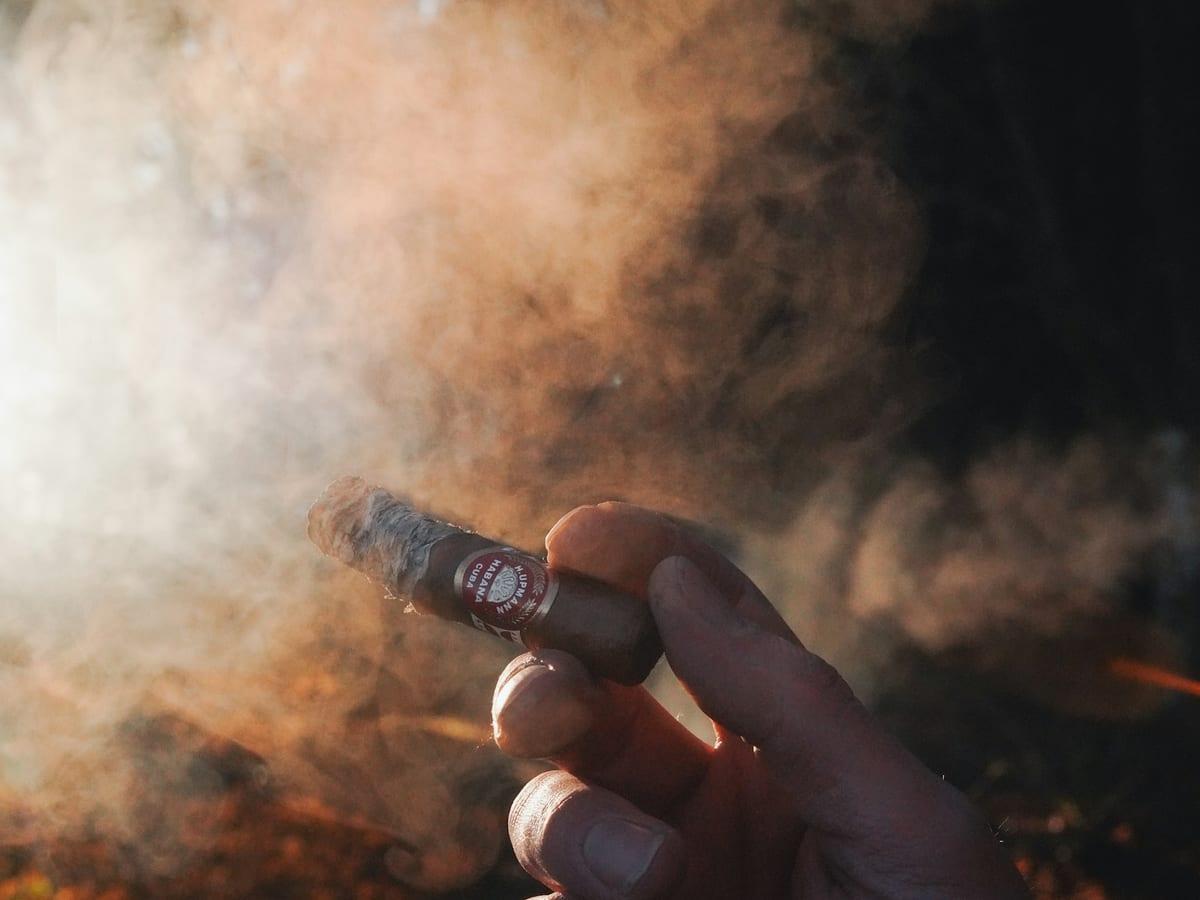
The wrapper is a small part of a cigar's tobacco, and the filler inside gives it most of its strength and body. Yet the wrapper matters out of all proportion to its weight. It is the leaf that touches your lips and the first you taste, it burns all along the outside of the cigar, and its oils, sugars and texture color every puff. This is why so many makers offer the same line in more than one wrapper. Padrón, for example, makes every size of its 1964 Anniversary Series in both a sun-grown natural wrapper and a maduro, and most Perdomo lines come in Connecticut, sun-grown and maduro versions. Smoked side by side, the versions of one line show more clearly than anything else what a wrapper adds: they differ in body, sweetness and character far more than in strength.
Shade and Sun
How a wrapper is grown decides much of what it brings. Leaf grown under shade, beneath cloth tents or under the natural cloud cover of Ecuador, receives softened sunlight and stays thin, smooth and elastic, with fine veins. It usually gives a lighter, more delicate body and lets the filler's flavors lead. Connecticut Shade and Cuban wrapper are both grown under cloth. Leaf grown in full sun develops thicker, with more oil and bolder flavor, and gives more body; much of it is used for the dark maduro wrappers, because thick leaf stands up to the long fermentation they need.
The Color Scale
Wrapper colors run from green to almost black, and the names below are the ones most smokers use, though makers draw the borders between them differently. Color describes the wrapper only. It is a fair guide to body and sweetness, but it says nothing certain about strength.
| Color | What it looks like | What it usually brings to the body |
|---|---|---|
| Candela, or double claro | Green: picked early and dried quickly with heat to keep its chlorophyll | The lightest body; rare today |
| Claro | Pale tan | Soft and creamy, with hints of hay, almond and light cedar |
| Colorado claro, or natural | Light to mid brown | Balanced, with a mild sweetness |
| Colorado | Reddish brown | Rounder and more pronounced, often with coffee, caramel or light spice |
| Colorado maduro | Dark brown | Richer and sweeter |
| Maduro | Very dark brown, almost black | Rich, sweet and full: chocolate, espresso, leather |
| Oscuro | Almost black, the darkest; some makers call it double maduro | The fullest and often the sweetest |
Cuban graders use the five names from claro to maduro and sort wrappers into some 50 categories by size, color and texture, so that every cigar in a box matches. Natural is a market name rather than a grader's term, and covers the light to medium browns.
Maduro and Oscuro
A true maduro is not simply a dark leaf. It is a wrapper that has been fermented longer, or at a higher heat, than a natural one, which brings out the leaf's natural sugars and gives it a richer, earthier and sweeter taste. Thick, sun-grown leaf stands up best to this treatment, so most maduro comes from a few such leaves: Connecticut Broadleaf, grown in full sun in the Connecticut River Valley; San Andrés Negro, a dark, stalk-cut leaf from Mexico's San Andrés valley; and Brazilian leaf such as Arapiraca. Oscuro, the darkest shade, takes the process further still. A maduro wrapper often makes a cigar feel fuller even when it is only medium in strength, because what it adds is body and sweetness, not nicotine.
Texture and Oils
Texture is the other half of what a wrapper brings. Thick, oily wrappers, often sun-grown and with more visible veins, tend to give a heavier body, because their oils carry flavor and coat the palate. Some wrappers show tooth, small bumps on the surface that are pockets of oil in the leaf, most common on Cameroon wrapper. Thin, smooth, shade-grown wrappers give a lighter body and let the filler speak, for a more delicate smoke. Whatever its type, a supple, properly fermented wrapper burns evenly, without harsh spots or bitterness, and that even burn is what lets its contribution to the body come through steadily from the first third to the last.
Where Wrappers Come From
Wrapper is the most demanding leaf to grow, and only a few places grow it well. Each origin has its own character.
| Origin | Main wrappers | What they usually bring |
|---|---|---|
| Cuba | Corojo-type leaf, grown under cloth in Vuelta Abajo and Partido | A thin, silky leaf, graded into some 50 categories |
| Ecuador | Connecticut-, Sumatra- and Habano-seed leaf, grown under near-constant cloud cover | Connecticut seed: light, golden and mild; Sumatra and Habano seed: darker, oilier and fuller |
| United States | Connecticut Shade, grown under cloth tents; Connecticut Broadleaf, grown in full sun | Shade: pale, smooth and creamy; Broadleaf: thick, usually fermented dark for maduro |
| Nicaragua | Sun-grown Habano and Corojo types, Jalapa above all | Often oily, sweet and spicy, adding body |
| Honduras | Corojo and other Cuban-seed leaf, from the Jamastrán valley and around Danlí | Strength and flavor often placed between Ecuador's and Nicaragua's |
| Dominican Republic | Rare: Chateau de la Fuente's leaf for Fuente Fuente OpusX, Davidoff's shade-grown Yamasá | Most Dominican cigars use wrappers from other countries |
| Mexico | San Andrés Negro, from the San Andrés valley | Dark, strong maduro leaf with a little sweetness |
| Brazil | Mata Fina from the Recôncavo in Bahia; Arapiraca from Alagoas | Dark and naturally sweet |
| Cameroon | Toothy leaf from Cameroon and the Central African Republic | Thin, with a character of its own |
Ecuador has become one of the most important sources because its cloud cover does the work of shade cloth: Connecticut seed grown there gives a light, golden leaf, while Sumatra and Habano seed give darker, oilier ones. The Dominican Republic is the great exception among the major cigar countries. For years good wrapper was thought impossible to grow there, until the Fuente family planted Cuban seed at Chateau de la Fuente in the early 1990s; Fuente Fuente OpusX followed in 1995, and most Dominican cigars still wear wrappers from other countries. Cameroon leaf nearly disappeared in the 1990s and survives largely because the Meerapfel family revived its supply.
Reading a Wrapper
Put together, the wrapper's color, texture and origin tell you a great deal about a cigar's body before you light it: dark, oily wrappers usually mean a fuller body, and light, smooth ones a gentler one. The filler beneath still has the last word. A mild filler under a dark wrapper gives rich flavor with a medium body and modest strength, and a strong filler under a pale wrapper gives a cigar that is light on the palate but full in effect. The quickest way to learn what each wrapper adds is to smoke one line in two of them, side by side.