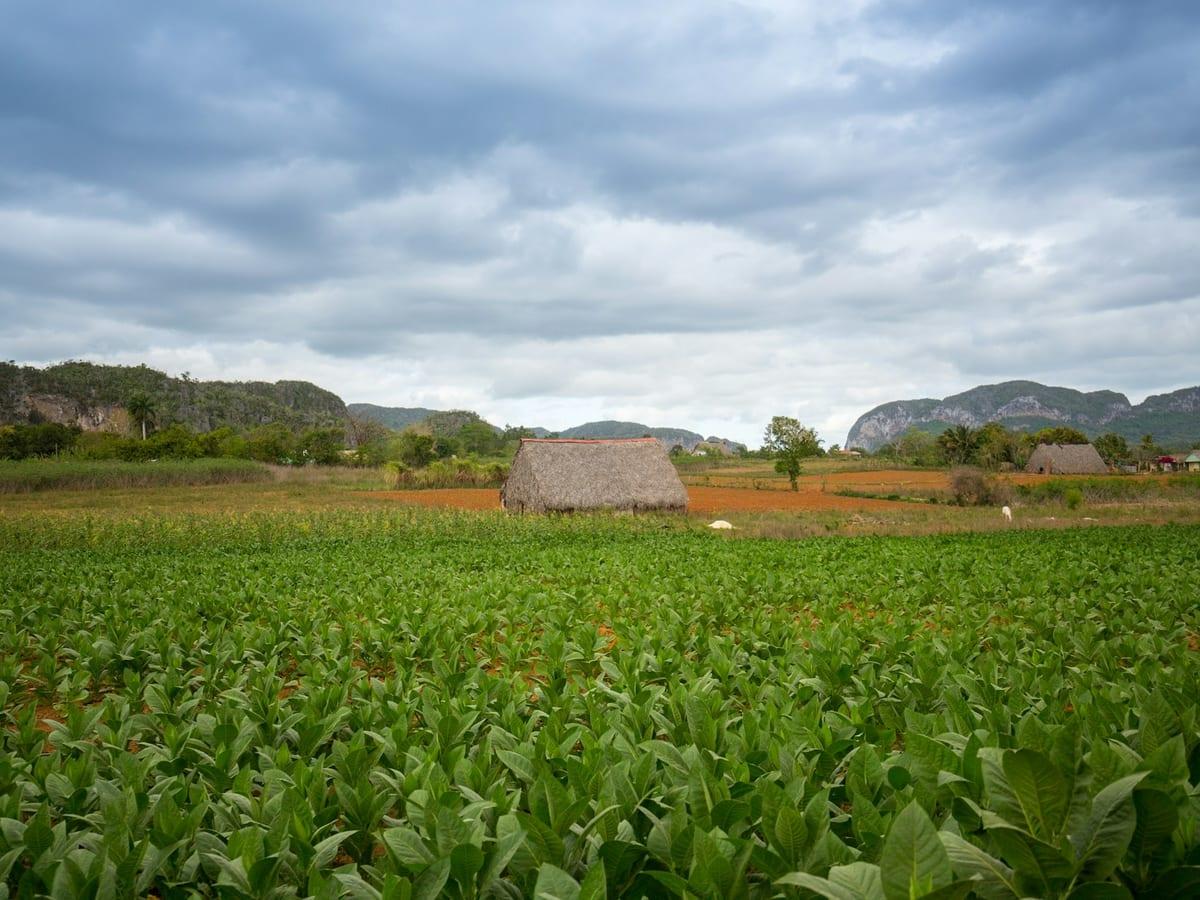
This is the thinnest lesson in the topic, and it is kept deliberately so, because that is the honest state of the record. It explains where the Chira valley is and what can and cannot be said about its tobacco, and it is a model for how to treat a regional claim that does not stand up. The Tarapoto Valley lesson covers Peru's actual, documented cigar leaf.
A river valley in the north-west
The Chira river runs through north-western Peru, from the Andes down to the coast near Piura and into the Pacific, and its valley is a farming district of the Piura region, irrigated and hot, known for rice, fruit and other crops. It is the kind of fertile river valley that grows tobacco, and there is a long history of small tobacco plantings in coastal and northern Peru, much of it for domestic use.
What the Chira valley does not have is a documented place in the premium cigar trade. No maker, farm, variety or cigar of the trade is tied to it in the sources this topic relies on, and the claims sometimes attached to it, a distinct filler or an occasional wrapper, are not verifiable. The accurate statement is that the Chira is a real but minor and undocumented tobacco district, not part of the premium map.
The lesson of an unsupported name
The Chira valley is best read as a caution. A river valley in a tobacco-growing country can easily be dressed up as a region, with a climate and a flavor invented to fill the page, and nothing stands behind the words. This topic refuses that, and leaves the entry small and honest instead. Peru's real contribution to cigars is the Tarapoto filler of the previous lesson; the Chira valley remains a name without a recorded leaf, and it stays that way here.