Lessons
- 1Cuban Tobacco and Terroir10 min readCuba's tobacco rests on a rare turn of soil, climate and seed that no other country has matched, which is why a Habano is defined by where its leaf grows. The land that can grow it is small and strictly graded: the island is divided into registered zones, and only a few fields called Vegas de Primera, first-class vegas, may grow tobacco for Habanos. The western zone of Vuelta Abajo is the center of it all, the only place that grows wrapper, binder and filler alike, while Partido, south-west of Havana, grows wrapper, and Semi Vuelta and the eastern regions play smaller, strictly defined parts.
- 2The Dominican Republic9 min readThe Dominican Republic is one of the great cigar countries, and, by the count of its tobacco institute, INTABACO, the world's largest exporter of premium cigars, yet it is a country of filler and binder rather than wrapper. Its tobacco grows in the Cibao Valley around Santiago, mostly the mild native Olor Dominicano and the stronger Cuban-seed Piloto Cubano, and it wears wrappers from Ecuador, Connecticut and Cameroon. The Fuente family proved that good wrapper could be grown there after all, at Chateau de la Fuente, but as a rule the country rolls the world's cigars rather than clothing them.
- 3Nicaragua and Other Key Regions8 min readNicaragua became a cigar power in a single generation. Its volcanic soils, its dry season and Cuban seed carried out by emigrants gave the world strong, spicy leaf from Estelí, sweeter leaf from Jalapa, balanced filler from Condega and an earthy island leaf from Ometepe, farmed largely by the cigar makers themselves. Honduras is its partner across the border, and the rest of the map fills in with Ecuador's wrappers, Mexico's San Andrés Negro, Brazil's Mata Fina, Cameroon leaf, and small crops from the United States, Peru and Colombia.
- 4Vuelta Abajo (Cuba)8 min readVuelta Abajo, the western zone of Pinar del Río, is the source of almost everything that goes into a Habano. It is the only zone in Cuba that grows wrapper, filler and binder, and all the filler and binder for long-filler Habanos comes from it. Two districts lead it: San Juan y Martínez, known for filler and binder, and San Luis, known for wrapper, where the famous El Corojo and Cuchillas de Barbacoa farms stand. Only a fraction of the zone, its Vegas de Primera fields, may grow for the brand.
- 5Semi Vuelta (Cuba)6 min readSemi Vuelta is the rest of the western tobacco region, the part of Pinar del Río and its borders that lies outside Vuelta Abajo. It grows binder and filler for short-filler, or tripa corta, Habanos, and much of the seed that is later sown in the Vuelta Abajo, but only a small sliver of its land, barely one percent, is used for Habanos. Most Semi Vuelta tobacco is grown for other purposes, which is exactly the point: it shows how ruthlessly the Cuban system grades its land.
- 6Vuelta Arriba (Cuba)6 min readVuelta Arriba is the eastern reach of Cuba's tobacco land, the region where Columbus first saw the plant at Bariay in 1492, and it is protected as a denomination of origin for that history. Tobacco is still grown there, but not for Habanos. It stands apart from the Remedios region of central Cuba, which is older, and which is the source of the leaf for the José L. Piedra brand; the two are often run together in loose talk, and they are not the same.
- 7Partido (Cuba)6 min readPartido is the second wrapper region of Cuba, a historic district south-west of Havana that specialises in growing the wrapper leaf used on long- and short-filler Habanos. It is older than the Vuelta Abajo's dominance, founded in the early seventeenth century, and it grew the leaf that clothed the great Havana cigars before Pinar del Río took the lead. Today it still grows wrapper, on the land between Havana and the mountains, and its name is protected as a denomination of origin.
- 8Cibao Valley (Dominican Republic)7 min readThe Cibao Valley, in the north of the Dominican Republic, is the country's tobacco heart. Its two classic leaves, the mild native Olor Dominicano and the strong Cuban-seed Piloto Cubano, grow side by side on rich soil drained by the Yaque del Norte, around the city of Santiago. The valley grows filler and binder for most of the world's famous non-Cuban cigars, and almost no wrapper, because the country rolls its cigars and buys its outside leaf from Ecuador, Connecticut and Cameroon.
- 9La Canela (Dominican Republic)5 min readLa Canela is a hot, dry district of the Cibao whose tobacco comes out stronger and spicier than the valley's norm, which makes it the proof that Dominican leaf is not all mild. It is best known as the single source of the inner tobacco in the La Flor Dominicana Double Ligero Lancero, a cigar built from one farm, and it shows how much a small, dry corner can change a blend's character.
- 10San Victor (Dominican Republic)5 min readSan Victor is a small district of the Cibao, near Moca, whose name is carried by one of the country's native Olor strains, Olor San Víctor. It grows mild, aromatic filler for Dominican blends rather than the wrapper-leaf the old descriptions claimed, and its real importance is that its name has become attached to a variety, a mark of how a village's tobacco comes to stand for a leaf.
- 11Mao (Dominican Republic)5 min readMao, capital of the Valverde province in the drier north-west of the Cibao, sits at the arid edge of the country's tobacco country. It is less a distinct leaf region than a dry, irrigated corner halfway to the Haitian border, and claims that it produces a robust, wrapper-grade crop are not borne out by what is documented there. Its place in the story is honest but small.
- 12Estelí (Nicaragua)6 min readEstelí, in Nicaragua's north-central highlands, is the place most people mean when they say a cigar is strong. Its flat, black volcanic soil and a clear dry season grow the boldest leaf in Nicaragua, thick and spicy, used for the ligero, the top, strongest leaves of a blend. It is also a factory town: Padrón, My Father, Drew Estate, Oliva, A.J. Fernandez, Joya de Nicaragua and others roll there, many of them on the same leaf they grow around it.
- 13Jalapa (Nicaragua)5 min readJalapa, in Nicaragua's far north near the Honduran border, is the country's wrapper region. It is cooler and wetter than Estelí, with a reddish-brown soil that has been compared to the Vuelta Abajo's, and that soil grows the leaf that clothes many of the world's Nicaraguan puros. Aganorsa grows its Corojo wrapper there under shade, Plasencia and Oliva grow there, and Jalapa's leaf is chosen when a maker wants sweetness and aroma rather than raw power.
- 14Condega (Nicaragua)4 min readCondega, between Estelí and Jalapa in Nicaragua's north, grows the country's middle leaf. Its rocky, shaly soil and temperate climate give a balanced filler, stronger than Jalapa and milder than Estelí, and its consistency makes it the steady partner in blends that pair the two. Makers such as Oliva and A.J. Fernandez farm there, and Davidoff ages Condega leaf in Scotch-whisky casks for one of its cigars.
- 15Ometepe (Nicaragua)6 min readOmetepe is an island in Lake Nicaragua, formed by two volcanoes, Concepción and Maderas, and it is the youngest of Nicaragua's four tobacco regions. The Plasencia family planted only a trial acre there in 1994; today the island's rich volcanic soil, raked over by hand because the ground is too sloped for machines, gives a sweet, earthy leaf used for a few distinctive, often single-region cigars.
- 16Jamastran (Honduras)6 min readJamastrán is Honduras's main tobacco valley, a hot, sunny stretch in the department of El Paraíso near Danlí, in the south-east close to the Nicaraguan border. It grows large amounts of strong, earthy sun-grown filler and some of the country's wrapper, and it is best known through the Eiroa family, who brought Corojo seed there, in the late 1980s by Christian Eiroa's account (other family accounts say 1997), and grew the leaf that wrapped the Camacho Corojo on their El Corojo farm.
- 17Talanga (Honduras)4 min readTalanga is one of Honduras's traditional tobacco valleys, in the center of the country just outside Tegucigalpa. Its leaf is used mainly as filler and binder in Honduran blends rather than as a famous wrapper, and its contribution is best seen inside cigars such as Plasencia's Cosecha 149, which takes filler from Talanga alongside Jamastrán and Olancho. It is a smaller, quieter valley than Jamastrán, and it is less documented.
- 18Copán (Honduras)4 min readCopán, the westernmost of Honduras's tobacco valleys, lies near the Guatemalan border and grows highland, Cuban-seed leaf for Honduran puros. It is best reached through the brands that carry its name and the country's western Criollo tradition, and it is less documented than Jamastrán. Its standing is as the cool, high western edge of Honduran tobacco.
- 19San Andrés (Mexico)6 min readThe San Andrés valley, in the Sierra de los Tuxtlas of Veracruz in southern Mexico, grows the dark leaf behind a large share of the world's maduro cigars. Its nearly black volcanic soil is so rich in potassium that the Turrent family, who have grown tobacco there since 1880, add none, and its own San Andrés Negro is a thick, dark wrapper fermented dark twice in Mexico and then again by the maker that buys it. The valley also grows Sumatra- and Habano-seed leaf for wrapper and binder.
- 20Tuxpan (Mexico)5 min readTuxpan, a port town in northern Veracruz, is the lesser-known name on Mexico's tobacco map, and the least documented. Veracruz is Mexico's tobacco state, and its far north around Tuxpan grows dark air-cured and burley leaf for domestic use rather than the celebrated San Andrés Negro of the south. Claims that Tuxpan produces a distinct premium wrapper do not stand up to checking, so this lesson treats it honestly and briefly.
- 21Quevedo (Ecuador)6 min readQuevedo, a city in the province of Los Ríos, is the historic heart of Ecuador's wrapper crop. Around it the lowland fields lie under a nearly constant layer of cloud during the growing season, which filters the sun the way shade cloth does, and that natural shade, on rich volcanic soil, made Ecuador one of the world's main sources of wrapper. The leaf is Connecticut, Habano and Sumatra seed, and it clothes cigars from the mildest to the boldest.
- 22Los Ríos (Ecuador)5 min readLos Ríos, the western Ecuadorian province around Quevedo, is the larger frame for the country's wrapper district. Its lowland fields, under the growing season's cloud cover, grow Connecticut, Habano and Sumatra wrapper leaf, and it is here that Ecuador's wrapper economy, the A.S.P. and Oliva operations and the surrounding farms, has its center. The province is the where of Ecuador wrapper.
- 23Guayas (Ecuador)4 min readGuayas, the province to the south of Los Ríos, holds the southern reach of Ecuador's wrapper district. Its tobacco grows on the foothills where the coastal plain rises toward the Andes, still under the growing season's cloud, and it gives the same Connecticut, Habano and Sumatra wrapper leaf as the rest of the district. Guayas matters not because it differs from Los Ríos but because it is the other half of the same stretch.
- 24Connecticut River Valley (USA)6 min readThe Connecticut River Valley, running through Connecticut and Massachusetts, grows two of the most famous wrappers in the world from one patch of ground: Connecticut Shade, the pale, silky leaf raised under cloth tents since 1900, and Connecticut Broadleaf, the thick, dark leaf grown in full sun and fermented into maduro. The valley's sandy soil and cool New England summer made it the stand-in for Cuban wrapper in the American market, and its shade leaf is still shipped to the Dominican Republic to be rolled into Macanudo and Ashton cigars.
- 25Pennsylvania Broadleaf (USA)4 min readPennsylvania's cigar leaf comes from Lancaster County, where farmers have grown a dark, strong tobacco called Pennsylvania Seedleaf, or Pennsylvania Broadleaf, mostly for filler and binder. It has only lately been used as wrapper, on cigars such as RoMa Craft's CroMagnon PA, and the state's farmers now grow Connecticut Broadleaf as well. Pennsylvania leaf is the sturdy, sun-grown underside of the American cigar industry.
- 26Florida (USA)4 min readFlorida is where American shade wrapper began. In the 1890s, before Connecticut, growers in Gadsden County found that tobacco grown under cloth made fine wrapper, and by 1906 the county had more than 5,000 acres of it, a crop that ran into the 1970s. Florida's free-range revival came in 2019, when J.C. Newman released The American, the first cigar wrapped in Florida Sun Grown leaf grown in the center of the state.
- 27Tarapoto Valley (Peru)4 min readThe Tarapoto valley, in the San Martín region of northern Peru on the edge of the Amazon, grows a small amount of tobacco that mostly enters blends rather than standing alone. Its fertility comes from the rivers that run down from the Andes into the Amazon basin, and its warmth and rain favor a mild leaf. Peru is a minor cigar origin, and Tarapoto is its main name, usually met through filler rather than wrapper.
- 28Chira Valley (Peru)4 min readThe Chira valley, in north-western Peru near Piura, is a name sometimes given to the country's coastal tobacco country, but it is among the least documented entries in this topic. Peru's cigar tobacco is small and centered on the Tarapoto valley; whatever tobacco grows along the Chira is a minor, inland crop with no established premium-cigar role. This lesson sets the region out honestly and briefly.
- 29El Carmen de Bolívar (Colombia)4 min readEl Carmen de Bolívar, in the Montes de María of northern Colombia, is a tobacco town with a long history, one of the centers of the country's dark tobacco trade in the nineteenth century. Today its tobacco is a minor crop, mostly outside the premium cigar world, and its connection to cigars is thinner than the old lessons claimed. The town matters for its history more than for the leaf it now ships.
- 30Cameroon (Africa)6 min readCameroon wrapper is grown in Central Africa, in Cameroon and the neighboring Central African Republic, not West Africa as is sometimes said. It descends from Sumatra seed, grows under the region's cloud cover without shade cloth, and gives a thin, toothy, elastic leaf known for gentle, sweet spice. The French developed the crop from the 1950s, and when they withdrew in the early 1990s it nearly vanished; the Meerapfel family kept it going from the Central African Republic. It wraps cigars such as Arturo Fuente's Hemingway and Don Carlos.
- 31Mata Fina (Brazil)5 min readMata Fina is the premium tobacco of Bahia, Brazil's top cigar region, grown in the humid lowland called the Recôncavo around the Bay of All Saints. It is a dark, sun-grown leaf, cut by the whole stalk, with an oily sheen and a natural sweetness, and it is used as wrapper, binder and filler. Brazil has grown cigars there since at least 1873, and Mata Fina wraps cigars such as Drew Estate's Herrera Estelí Brazilian Maduro and A.J. Fernandez's Días de Gloria Brazil.
- 32Mata Norte (Brazil)5 min readMata Norte is the northern sister of Mata Fina, the tobacco grown in the north of Bahia's Recôncavo and its inland valleys. It is a slightly lesser leaf than Mata Fina, used more for filler and binder than for wrapper, and it is far less documented as a distinct origin. Its place in the topic is as the second half of Brazil's dark tobacco, the working leaf behind the celebrated one.
Next in Regions & Heritage
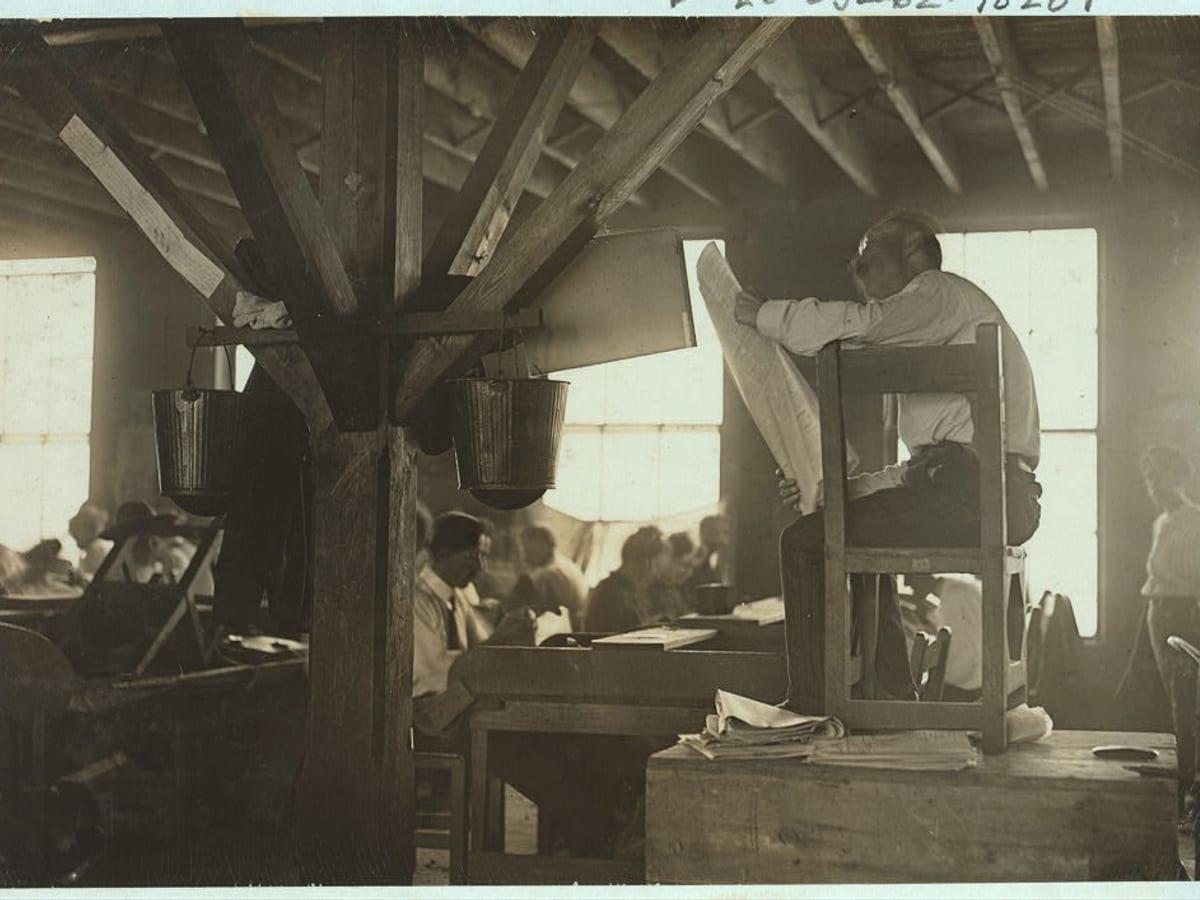
Cigar History
Key milestones in cigar history.
9 lessons · 58m read · 68 quizzes
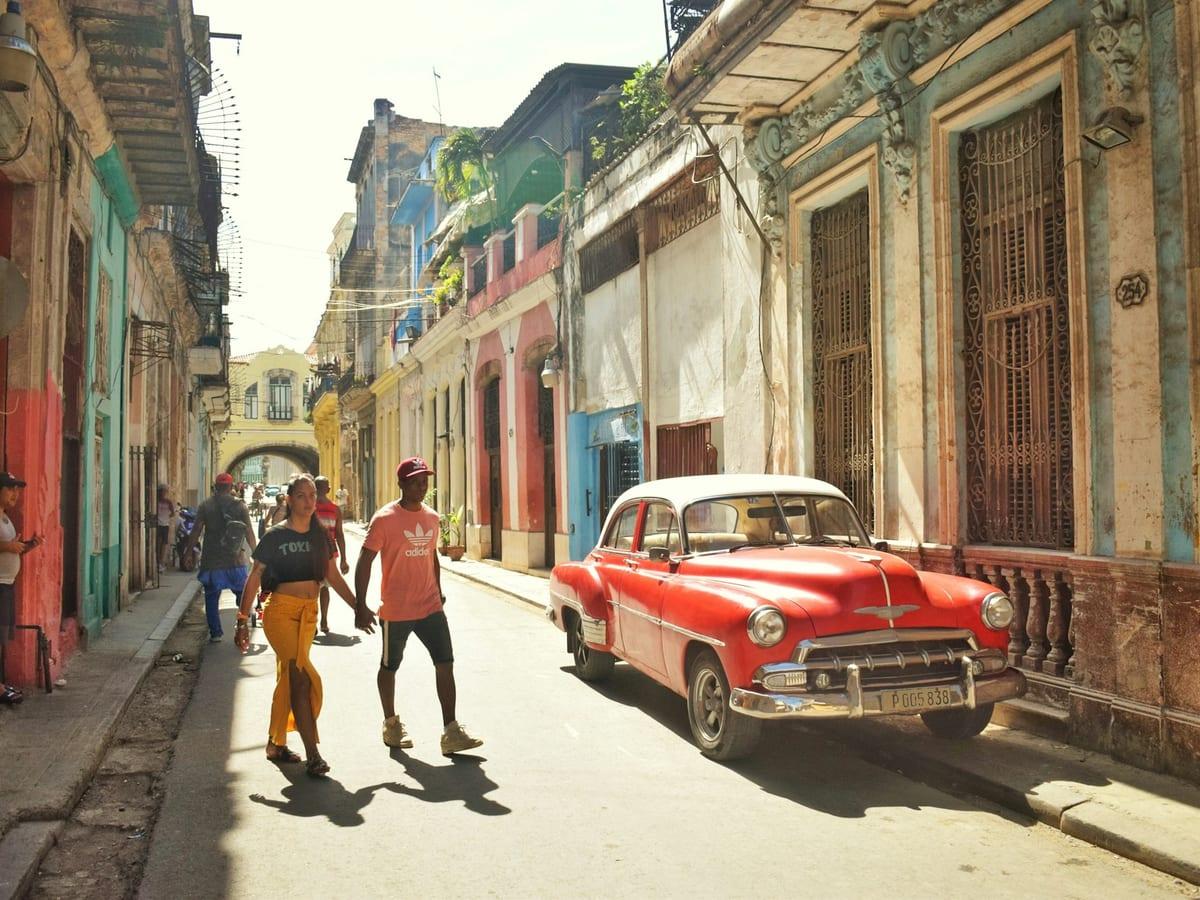
Cuban vs. Non-Cuban
Cuban vs non-Cuban style profiles.
4 lessons · 38m read · 47 quizzes
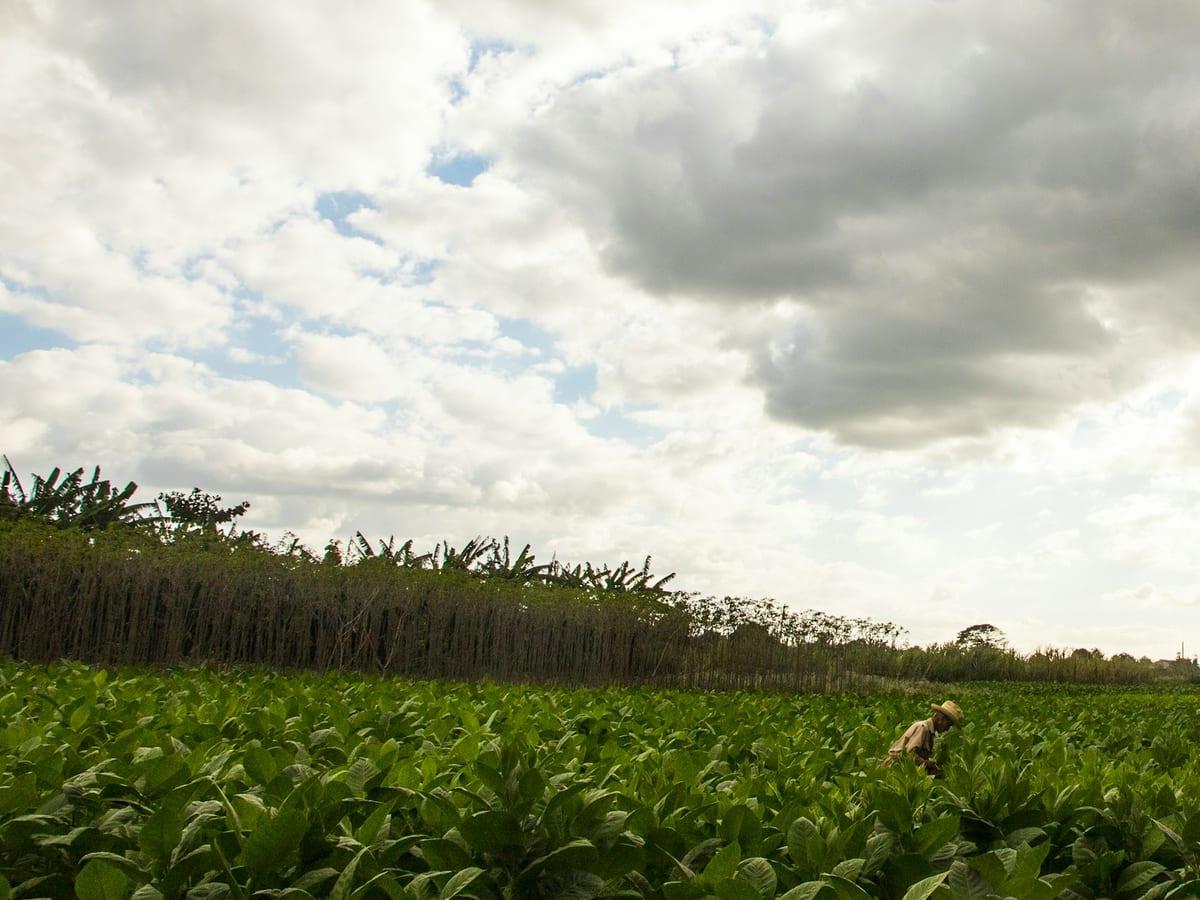
Tobacco by Nation
National systems, policy, production.
6 lessons · 72m read · 71 quizzes
Habanos S.A.
Habanos structure and marca strategy.
7 lessons · 76m read · 71 quizzes

Cigar Personalities
Influential figures in cigar culture.
17 lessons · 107m read · 110 quizzes