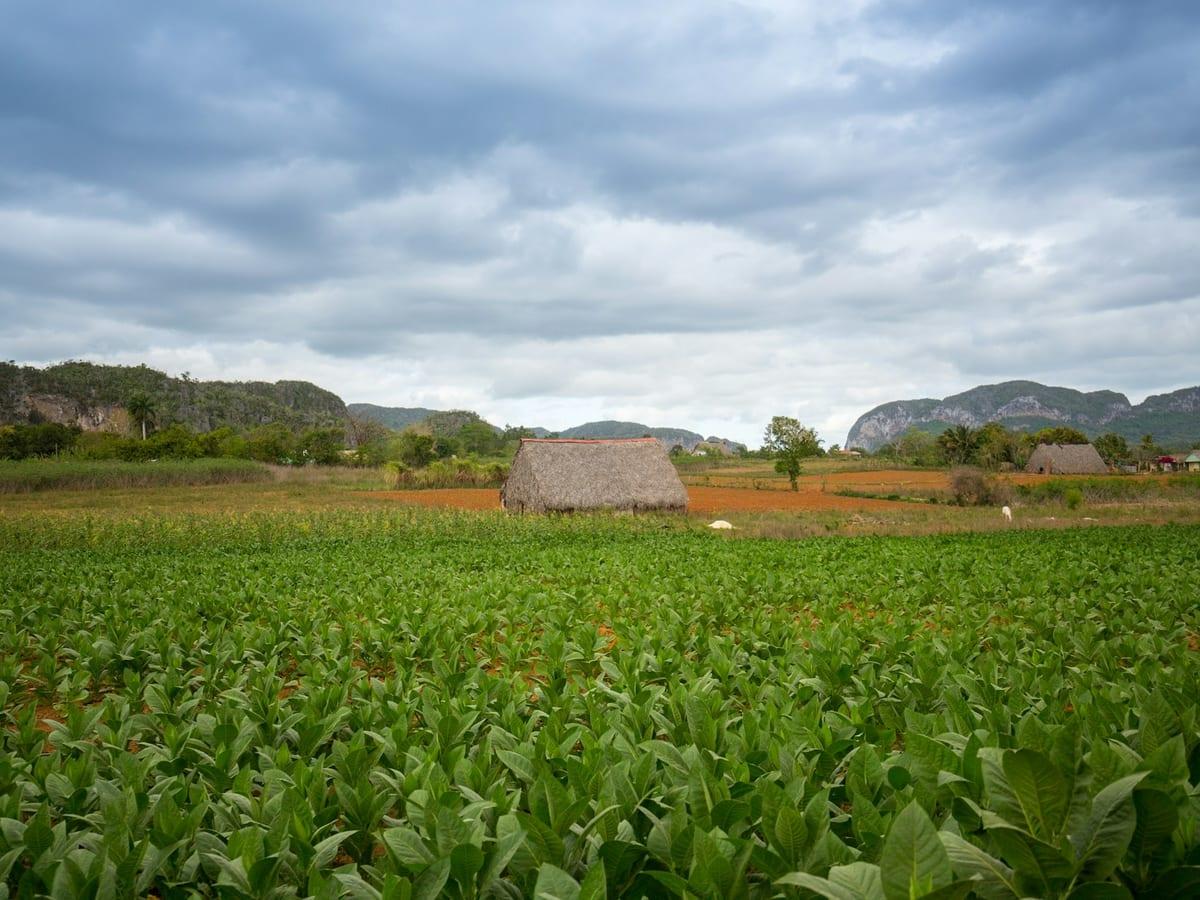
Where Estelí is the fist of Nicaraguan tobacco, Jalapa is its open hand. This lesson covers the northern valley that grows the country's fine leaf: its soil and climate, why it suits wrapper, and the makers who farm it. It is the other pole of the Nicaraguan pair Fillers describes, Estelí for strength and Jalapa for subtlety.
A wetter valley, a redder soil
Jalapa sits in the far north, in the department of Nueva Segovia, close to the Honduran border. It is higher and cooler than Estelí and receives more rain, which slows the plant and thins its leaf. Its soil is a reddish-brown, sandy earth, and the resemblance of that soil to the Vuelta Abajo's is often drawn: the two are compared as light, free-draining ground that keeps the vein fine and the color even.
Those conditions are exactly what wrapper wants. Wrapper must be thin, even, elastic and unblemished, and Jalapa's cool damp gives that kind of leaf where Estelí's heat would give a coarser one. Much of the country's wrapper, and a good deal of its aroma leaf for filler, grows around Jalapa.
The wrapper makers
The region's biggest name is Aganorsa, a leaf company that grows its wrapper of Corojo 99, and lately Corojo 2012, under shade in Jalapa, the leaf behind a wide circle of the region's cigars. Plasencia grows wrapper in Jalapa too, and Oliva takes the specially fermented ligero for its Serie V from the Jalapa valley, as the Fillers and Strength lessons note. The same small farms that grow wrapper also grow filler; Jalapa filler is the subtle, sweet middle of many blends, chosen to soften the stronger leaf from Estelí.
The two regions are best read together. A Nicaraguan puro usually pairs Estelí's power with Jalapa's aroma and sweetness, Strong leaf and fine leaf from two valleys of the same small country, and the wrapper on the outside, more often than not, grew near Jalapa.
The comparison that matters
Jalapa's standing comes from a single judgment repeated across the trade: its reddish-brown soil, cool air and steady damp recall the Vuelta Abajo, the place that sets the standard for wrapper. The comparison is not a claim that Jalapa equals Cuba, but it tells why Jalapa exists. When a maker wants a thin, sweet, elastic wrapper from Nicaraguan soil, Jalapa is where that leaf is grown, and the wrappers of the country's best-known puros come from there.