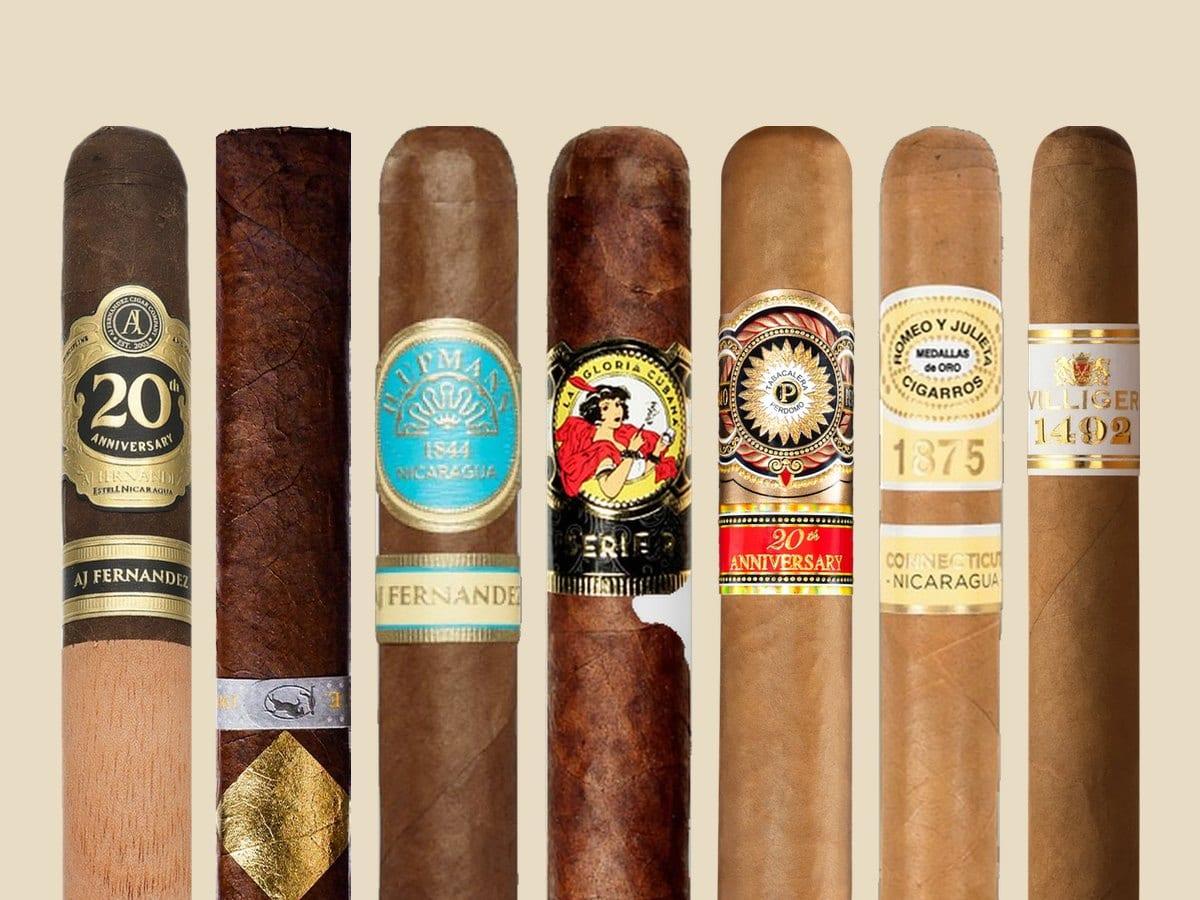
Ask where a modern cigar is made and the answer is usually the Dominican Republic, Nicaragua or Honduras, and the first two lead the trade. Both grew their industries from the Cuban exile, but the two countries developed different tobacco and different reputations, which is why a skinny Dominican wrapper and a strong Nicaraguan ligero can sit in opposite corners of the same humidor. This lesson explains how the two centers came to be, what each country's leaf is known for, and which makers made each country famous; the profiles that follow cover the individual brands.
The exile that built two countries
When Cuba nationalized its cigar industry in 1960, the people who left carried the only assets that could not be confiscated: seed, skill and the knowledge of how to run a factory. The Dominican Republic and Nicaragua both had the soil and the dry season for tobacco, and both invited the newcomers in. Cuban seed arrived the same way everywhere. Piloto Cubano, a Cuban variety, was brought to the Dominican Republic in 1962, and Néstor Plasencia later planted Cuba's Habano 2000 in Nicaragua in 1996; the seed names in both countries still read as a map back to the Vuelta Abajo. The Seed to Leaf and Tobacco by Nation topics follow the seed itself.
The Dominican Republic
The Dominican Republic became the home of the milder, more aromatic end of the trade. Its leaf grows in the Cibao Valley around Santiago de los Caballeros, where the country's factories stand, and it is known for a smooth, creamy, medium body. Two native fillers shape the blends: Piloto Cubano, the Cuban-seed variety known for strength, and Olor Dominicano, a native leaf noted for its aroma.
The country's reputation was built by family makers and a few large operations. Arturo Fuente moved its factory to Santiago in 1980 and later proved that a fine wrapper could be grown in the Dominican Republic, which gave the trade the Fuente Fuente OpusX, the first cigar made entirely of Dominican tobacco, in 1995. Davidoff moved its production from Cuba to the Dominican Republic in 1990 and made its name on consistency there. La Aurora, which calls itself the country's oldest cigar company, was founded in 1903 in Guazumal, near Tamboril, and moved into Santiago at the end of 1912. General Cigar and Altadis USA also roll many of their brands, including the non-Cuban versions of Havana's names, in Dominican factories. The Wrappers topic describes the Dominican shade-grown wrapper that wraps so many of the country's cigars.
Nicaragua
Nicaragua came later and grew the stronger, spicier leaf that now defines full-bodied cigars. Its tobacco comes from three valleys: Estelí, flat and volcanic, for the strongest, most peppery filler; Condega, in between; and Jalapa, cooler and wetter, for a sweeter, more aromatic leaf. A cigar's blend can be built from all three without leaving the country, and the country's factories stand mostly in and around Estelí.
Nicaragua's first cigar brand, Joya de Nicaragua, opened in Estelí in 1968, and José Orlando Padrón, who had started a one-roller shop in Miami in 1964, moved his production to Estelí in 1970. The modern industry grew around them: Oliva, My Father, Perdomo, Drew Estate and A. J. Fernandez all farm or roll in and around the city, and the Plasencia family grows leaf across Nicaragua and Honduras. Padrón is credited with making the box-pressed cigar fashionable again, and its 1964 Anniversary Series, made entirely of Nicaraguan tobacco, is one of the most awarded cigars of the modern era. The Tobacco Regions topic describes the three valleys in detail.
Honduras, the third pole
Honduras sits alongside the two bigger countries as a source of strong, earthy leaf. Its tobacco valley is the Jamastrán, near Danlí, close to the Nicaraguan border, where the Eiroa family brought the Cuban variety Corojo, in the late 1980s by Christian Eiroa's account (other family accounts say 1997), and grew the wrapper that made the Camacho Corojo famous. Camacho, Rocky Patel and Alec Bradley all make cigars in Honduras, and General Cigar rolls the non-Cuban Punch there. The three countries now supply almost every non-Cuban cigar a smoker is likely to meet, and the table sums up how they compare.
| Country | Main valleys | The leaf it is known for | Named makers |
|---|---|---|---|
| Dominican Republic | Cibao Valley | Smooth, aromatic, medium body | Arturo Fuente, Davidoff, La Aurora, General Cigar, Altadis USA |
| Nicaragua | Estelí, Condega, Jalapa | Strong, spicy, full-bodied | Padrón, Joya de Nicaragua, Oliva, My Father, Perdomo, Drew Estate |
| Honduras | Jamastrán | Strong, earthy, Corojo | Camacho, Rocky Patel, Alec Bradley, General Cigar |
Read the table and the division is clear: the Dominican Republic built the trade's refined and consistent end, Nicaragua built its powerful end, and Honduras supplies both sides with strong leaf. A modern smoker chooses between countries as much as between brands.