Lessons
- 1Historic and Cuban-Rooted Brands10 min readCuba is where the modern premium cigar began, and most of the trade's most famous names were born there in the 19th and early 20th centuries: part of the reason is the terroir of the Vuelta Abajo, in Pinar del Río, and part is the rolling and blending tradition of Havana. After the Cuban Revolution, which nationalized the island's cigar factories in 1960, these names split in two. Most exist today both as a Cuban Habano, sold by the state company Habanos S.A. around the world, and as a separate cigar with the same name made by a different owner in the Dominican Republic, Nicaragua or Honduras for the United States.
- 2Dominican and Nicaraguan Manufacturers9 min readThe Dominican Republic and Nicaragua are the two great centers of premium cigars outside Cuba, and both were built by the same event: the flight of Cuba's cigar families after the 1959 revolution. Dominican tobacco is usually smooth, aromatic and medium in body, grown in the Cibao Valley and rolled in Santiago; Nicaraguan tobacco is stronger and spicier, grown in the volcanic valleys of Estelí, Jalapa and Condega. Where Cuba kept the old names, these two countries turned the same exiled craftsmanship, and the same Cuban seed, into new names of their own.
- 3Boutique and Newer Brands38 min readA boutique cigar brand is a small company, usually run by the person who designs its blends, that sells far fewer cigars than the large groups and often has them rolled under contract in someone else's factory. The category took shape after the cigar boom of the 1990s and grew through the 2000s and 2010s, mostly in Estelí, Nicaragua, but also in Honduras and the Dominican Republic. Its brands, from Tatuaje to Dunbarton, changed what smokers expect from a new cigar.
- 4Cohiba42 min readCohiba is the flagship brand of the Cuban cigar industry and the only major Havana brand created after the 1959 revolution. It grew out of a cigar rolled privately for Fidel Castro in the early 1960s, took its name from a Taíno word in 1966, and went mainly to the Cuban state's guests until it went on sale abroad in 1982. Today it has four lines, includes the most expensive regular Cuban cigars, and shares its name with a different cigar sold in the United States.
- 5Montecristo38 min readMontecristo was for decades the best-selling Havana brand. Alonso Menéndez launched it in 1935, took José Manuel "Pepe" García as his partner and made it at the H. Upmann factory, and its numbered sizes, above all the No. 4 and the No. 2, became the measures by which other Cuban cigars are judged. Nationalized in 1960, the name now leads two lives: a Cuban brand sold by Habanos S.A., and a Dominican and Nicaraguan one sold in the United States.
- 6Camacho25 min readCamacho is a Honduran cigar brand made in Danlí, close to the Nicaraguan border, and known above all for Corojo, a Cuban wrapper variety. The name goes back to Simón Camacho, a Cuban exile who made cigars in Miami from 1961. Its modern identity comes from the Eiroa family, Cuban growers settled in Honduras, who bought the brand in 1995 and built it around their Corojo leaf. Since 2008 it has belonged to the Oettinger Davidoff group, which sells it as its full-bodied brand.
- 7Rocky Patel31 min readRocky Patel Premium Cigars is one of the largest premium cigar makers, and one of the few founded by an outsider during the boom of the 1990s that is still growing. Rakesh "Rocky" Patel, born in India and trained as a lawyer in Los Angeles, began with a contract brand called Indian Tabac in 1995. He survived the bust by taking control of tobacco and rolling, and today the company makes millions of cigars a year in Honduras and Nicaragua.
- 8Arturo Fuente16 min readArturo Fuente is a family cigar company that began in West Tampa, Florida, in 1912 and has made its cigars in Santiago, in the Dominican Republic, since 1980. Four generations of the Fuente family have run it through fires, an embargo and a revolution. It matters because the family helped make the Dominican Republic a leading premium cigar country, and because its Fuente Fuente OpusX, launched in 1995, showed that fine wrapper leaf could be grown there.
- 9Trinidad27 min readTrinidad is the Cuban brand that spent nearly three decades as a gift of state before anyone could buy it. Habanos dates it to 1969, when it began at El Laguito, the Havana factory of Cohiba, and names it after the colonial city of Trinidad on Cuba's south coast. It went on sale in 1998 with a single long, slim cigar, the Fundadores, and is now made in Pinar del Río. In the United States the same name belongs to a different cigar, made outside Cuba.
- 10Padrón16 min readPadrón is a family cigar company founded in Miami in 1964 by José Orlando Padrón, a Cuban who left the island in 1961, and made in Estelí, Nicaragua, since 1970. Its cigars are Nicaraguan puros, many of them box-pressed, rolled from sun-grown tobacco the family ages for years. It matters because its 1964 Anniversary Series brought box-pressed cigars back into fashion, and because Padrón cigars have taken first place in the best-known annual list of the year's top cigars five times.
- 11Oliva30 min readOliva is a Nicaraguan cigar maker whose family grew tobacco in Cuba from 1886. After the revolution Gilberto Oliva Sr. carried that trade abroad, grew leaf in several countries and settled in Nicaragua, where the family began making its own cigars in the mid-1990s. Its Serie V, built on strong Nicaraguan leaf, made the name, and the Serie V Melanio was named the best cigar of 2014. Since 2016 the company has belonged to J. Cortès, a Belgian cigar maker.
- 12My Father Cigars27 min readMy Father Cigars is the García family's company in Estelí, Nicaragua. José "Pepín" García learned to roll in Cuba as a boy of 11, left the island in 2001 and began again in a small workshop in Miami. His son Jaime created the My Father blend in 2008 and named it for him. Within twenty years the family grew its own leaf on nearly twenty farms, made cigars for other brands, and three of its cigars were each named the best cigar of the year.
- 13La Aurora25 min readLa Aurora describes itself as the oldest cigar company in the Dominican Republic. Eduardo León Jimenes opened it in 1903 with three rollers in Guazumal, a village between Santiago de los Caballeros and Tamboril, and moved it to Santiago in 1912. From that workshop grew one of the country's largest business groups, which later made cigarettes and beer. In 2011 the founder's grandson, Guillermo León, bought the cigar company outright, and La Aurora has been an independent family firm since.
- 14Davidoff14 min readDavidoff is a Swiss cigar brand that grew out of a tobacco shop opened in Geneva in 1911 and is owned today by Oettinger Davidoff AG of Basel. Its cigars were made in Cuba from the end of the 1960s until a quarrel over quality ended the partnership in 1989, and since 1990 they have been made in the Dominican Republic. It matters because Davidoff built a global luxury brand on consistency and control, from its own tobacco fields to its own shops.
- 15Romeo y Julieta28 min readRomeo y Julieta is a Havana brand named after Shakespeare's play, founded in the 1870s and built into a world name after 1903 by José "Pepín" Rodríguez Fernández, who used the cigar band as a selling tool. It gave the Churchill size its name, it is one of the six global brands of Habanos S.A., and by 2016 it was the Cuban brand sold in the largest numbers. A separate Romeo y Julieta, made in the Dominican Republic and Nicaragua, is sold in the United States.
- 16Partagas41 min readPartagás is one of the oldest Havana brands. Jaime Partagás, a Catalan who owned tobacco land in the Vuelta Abajo, founded it in 1845, and the Cifuentes family ran it from 1900 until 1960, making it Cuba's second-largest cigar exporter by the late 1950s. Habanos S.A. rates the brand strong and counts it among its six global brands. A separate Partagás, made in the Dominican Republic by General Cigar, is sold in the United States.
- 17H. Upmann19 min readH. Upmann is one of the oldest names in Havana, founded in 1844 by Hermann Upmann, a German who ran a bank and a cigar factory side by side. The brand outlived the bank's collapse, changed hands twice before the Cuban Revolution and was then split in two: a Cuban H. Upmann, one of the six global brands of the Cuban range, and a separate H. Upmann made in the Dominican Republic and Nicaragua for the United States. Its history shows how one name can travel through finance, war and exile.
- 18Bolivar28 min readBolívar is the Havana brand that carries the portrait of Simón Bolívar, the soldier who freed much of South America from Spanish rule. Habanos dates it to 1902 and rates it full in strength, one of the strongest brands in Cuba. José Fernández Rocha created it and sold it mainly in Britain. After his death the Cifuentes family of Partagás bought it, and it has been rolled at the Partagás factory ever since. A separate Bolívar, made in Honduras, is sold in the United States.
- 19Punch11 min readPunch is one of the oldest Cuban cigar brands, dating from around 1840 and named for the British comic figure Mr. Punch, who still appears on its boxes. It was made for the British market from the start, and since 1931 it has been made alongside Hoyo de Monterrey. After the Cuban Revolution the name split: a Cuban Punch of medium strength, and a separate, mostly Honduran Punch that became one of the best-selling premium cigars in the United States.
- 20Alec Bradley10 min readAlec Bradley is an American cigar company founded in Florida in 1996 by Alan Rubin and named after his sons, Alec and Bradley. It started with no tobacco background, nearly failed in the late 1990s, and grew by working with established factories in the Dominican Republic, Honduras and Nicaragua. Its Prensado Churchill, made in Honduras, was named the best cigar of 2011, and in 2023 Scandinavian Tobacco Group bought the company. Its path is a clear example of how a newer brand is built without a factory of its own.
- 21Joya de Nicaragua30 min readJoya de Nicaragua, the "Jewel of Nicaragua", is the brand of the oldest cigar factory still working in Nicaragua. Two Cuban exiles, Juan Francisco Bermejo and Simón Camacho, founded it in Estelí in 1968, and the company gives the date as 29 February. Its story runs through the country's own: the Somoza dictatorship, the Sandinista revolution, a fire, a U.S. embargo and a revival in the 1990s. Since 1994 it has belonged to the family of Alejandro Martínez Cuenca, a former Sandinista minister.
- 22Perdomo35 min readPerdomo is a family cigar company with offices in the Miami area and its farms and factory in Estelí, Nicaragua. Nick Perdomo Jr., an air traffic controller whose father and grandfather had worked in Havana's cigar factories, started it in August 1992 as Nick's Cigar Co., rolling in Miami with three rollers. It moved its work to Nicaragua from the mid-1990s and now grows, ferments and rolls its own tobacco. It is best known for resting its wrapper leaf in barrels that once held American bourbon.
Next in Industry & Collecting
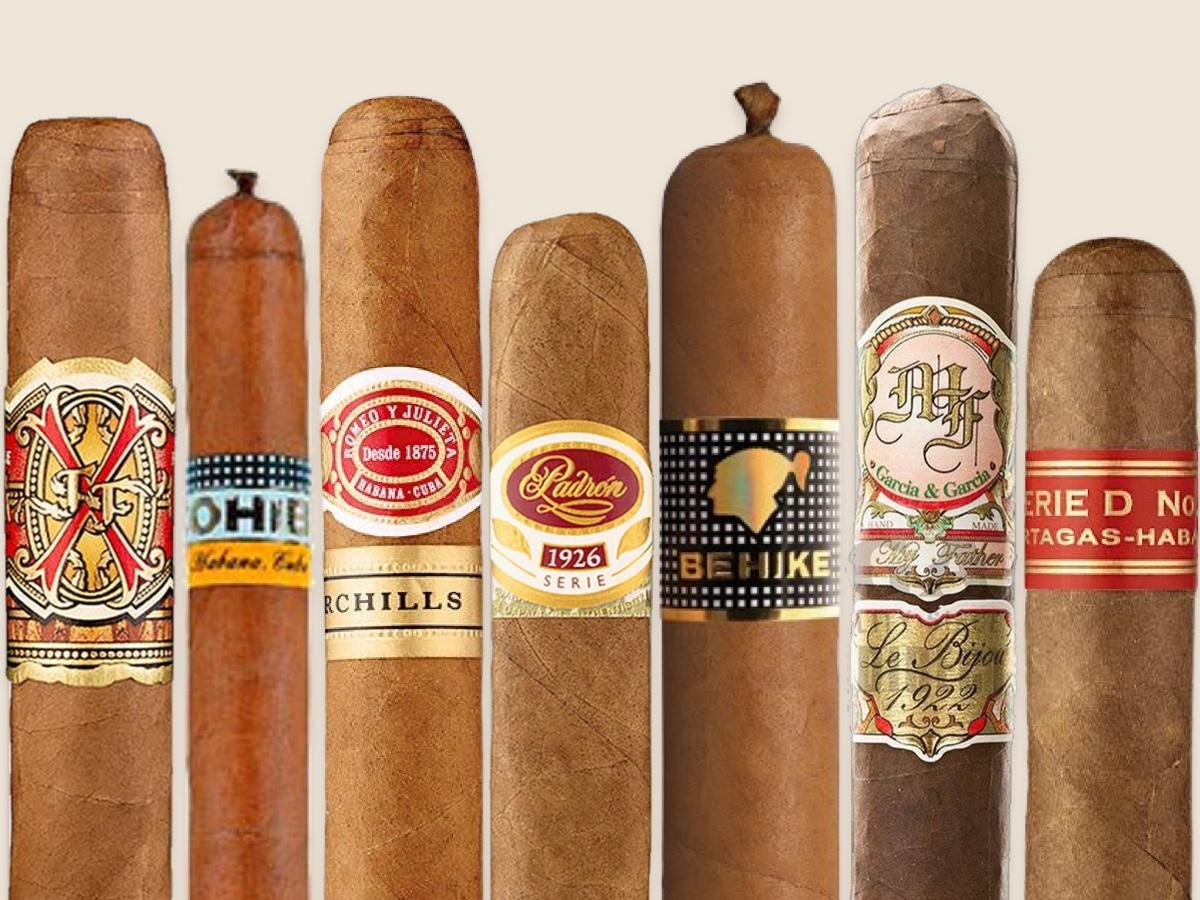
Iconic Cigars
Iconic releases and collectibility.
10 lessons · 47m read · 55 quizzes
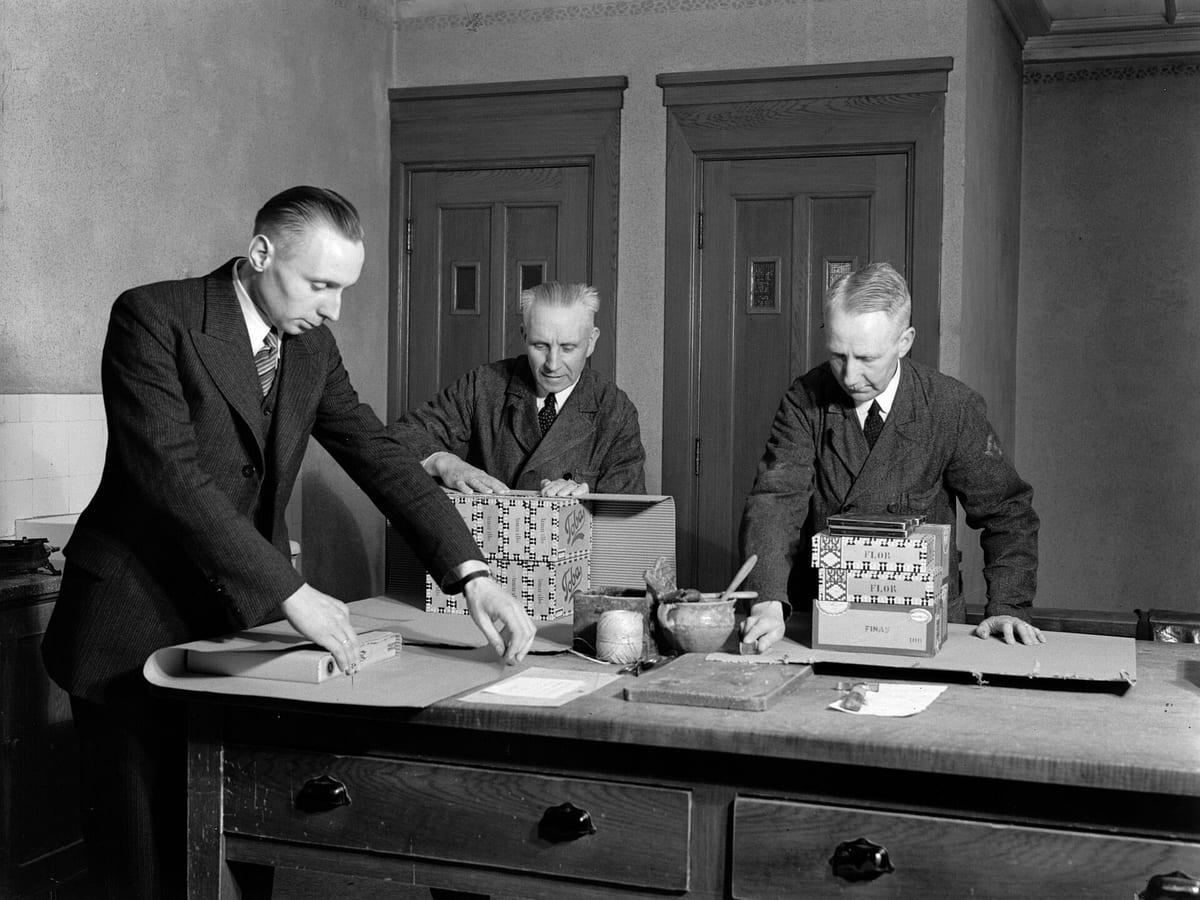
Cigar Boxes
Box formats, materials, authenticity.
3 lessons · 25m read · 53 quizzes
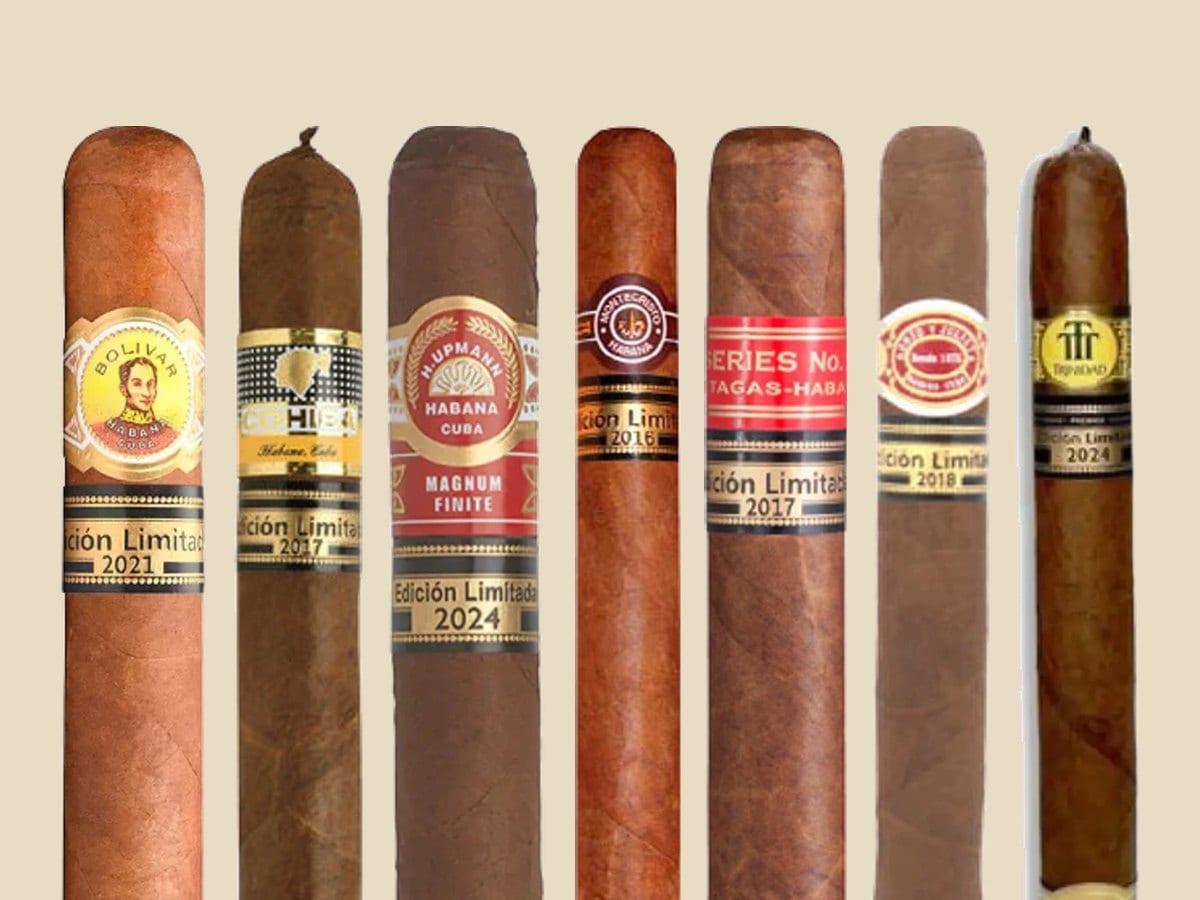
Limited Editions
Limited editions, scarcity, demand.
4 lessons · 34m read · 42 quizzes
Regional Editions
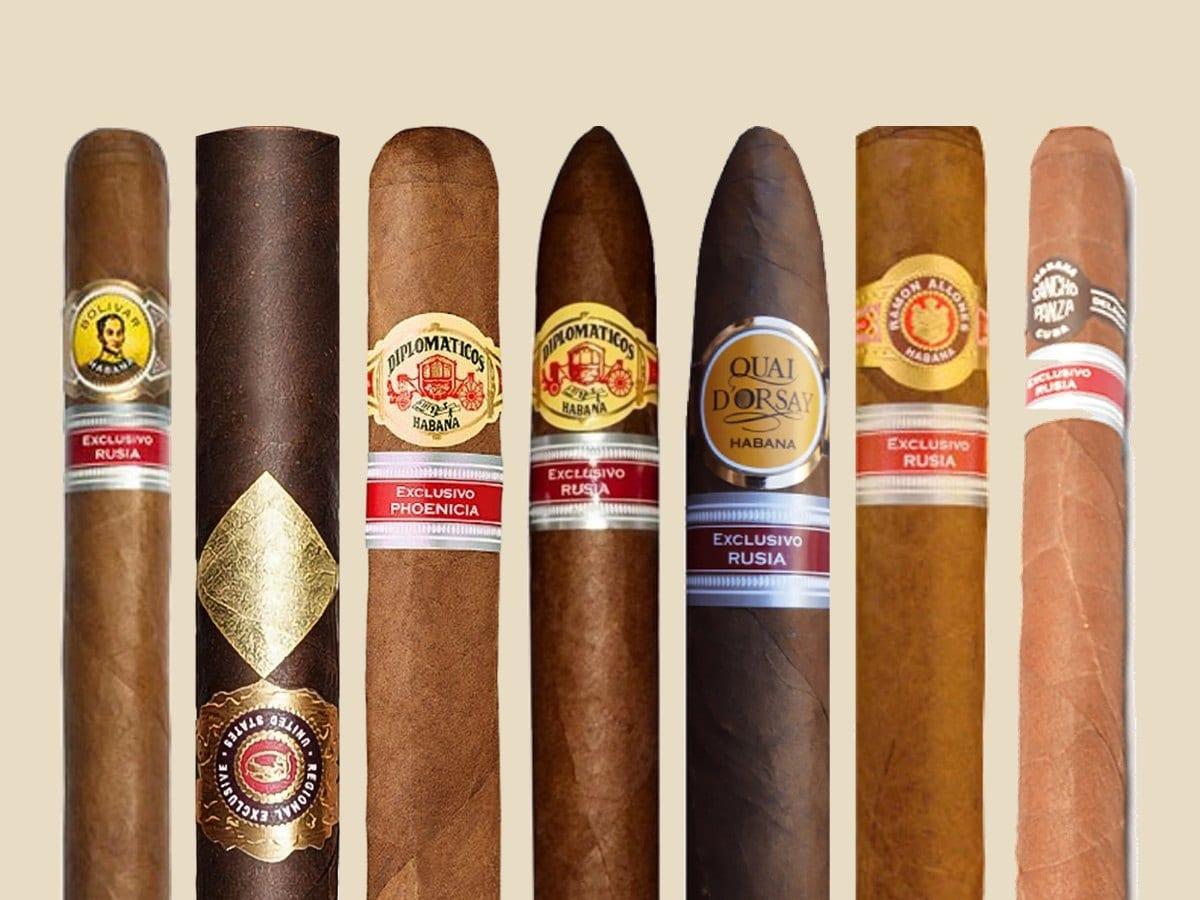
Regional editions and allocation.
3 lessons · 27m read · 38 quizzes
Industry
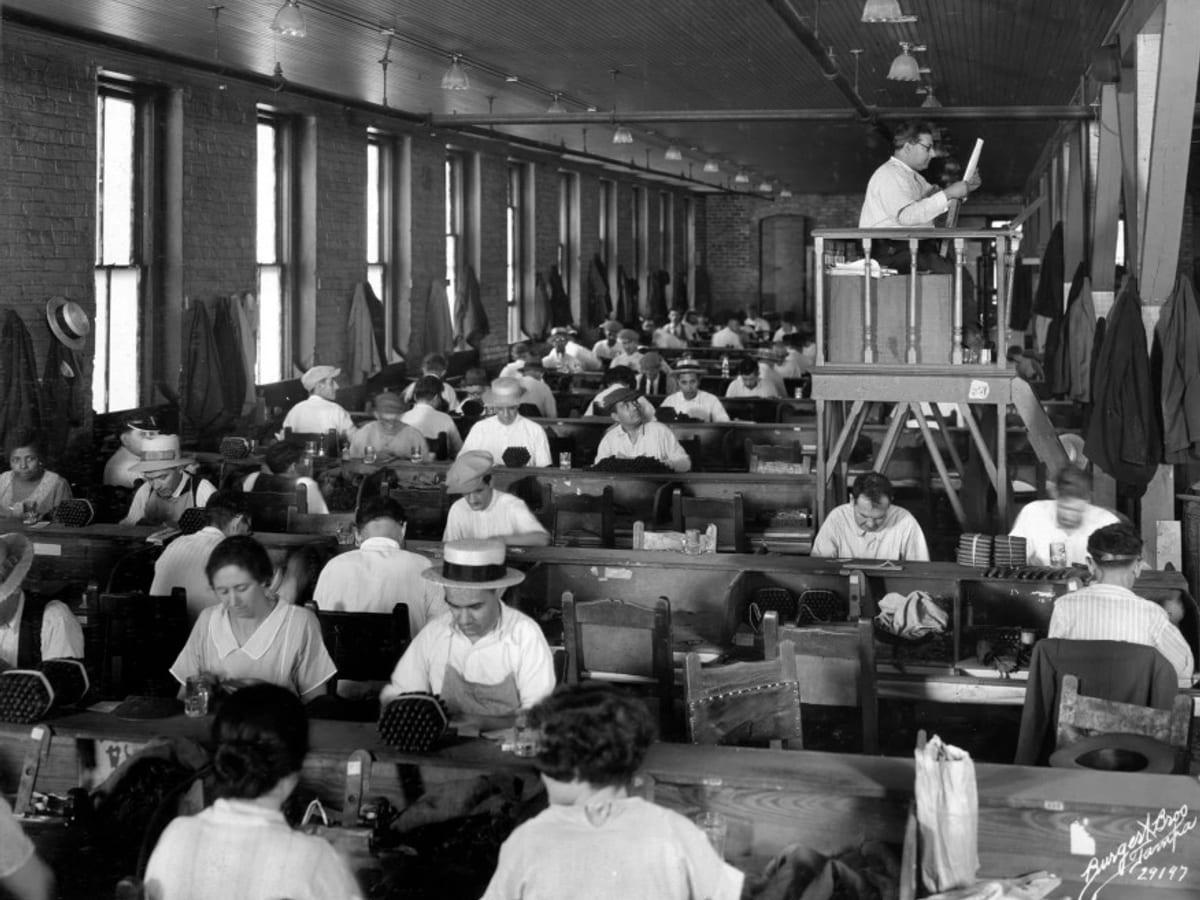
Industry structure and distribution.
11 lessons · 283m read · 116 quizzes
Workers
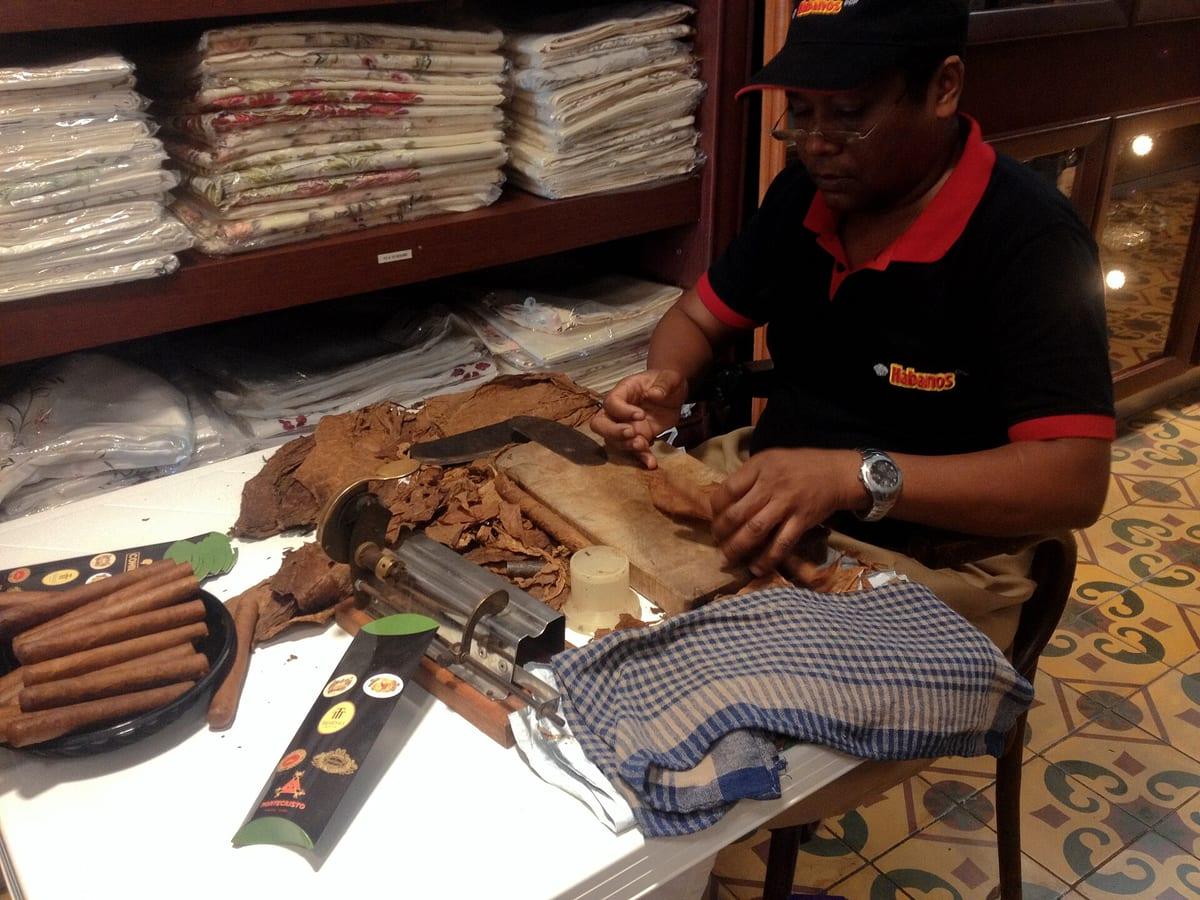
Factory roles, labor, specialization.
7 lessons · 101m read · 78 quizzes
Special Producers
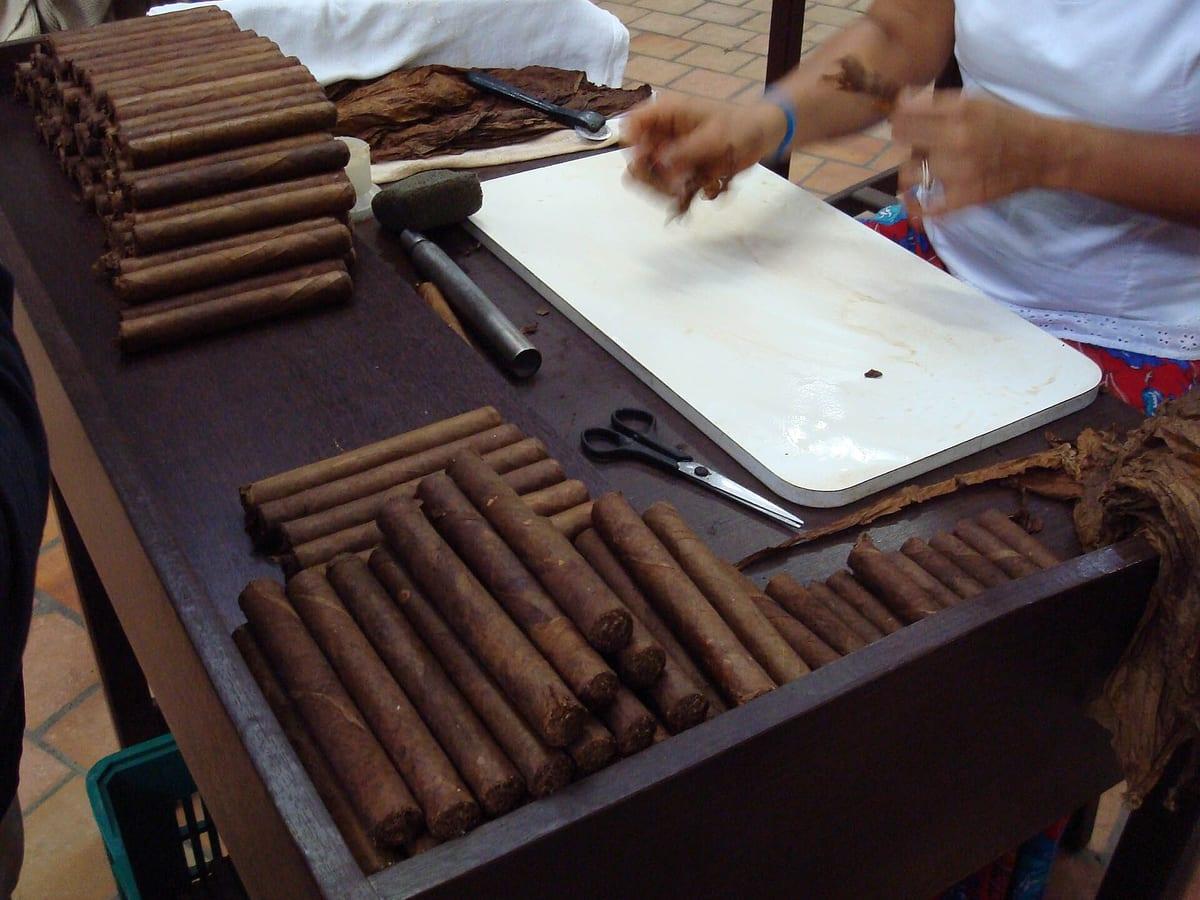
Boutique and small-batch makers
1 lesson · 14m read · 22 quizzes
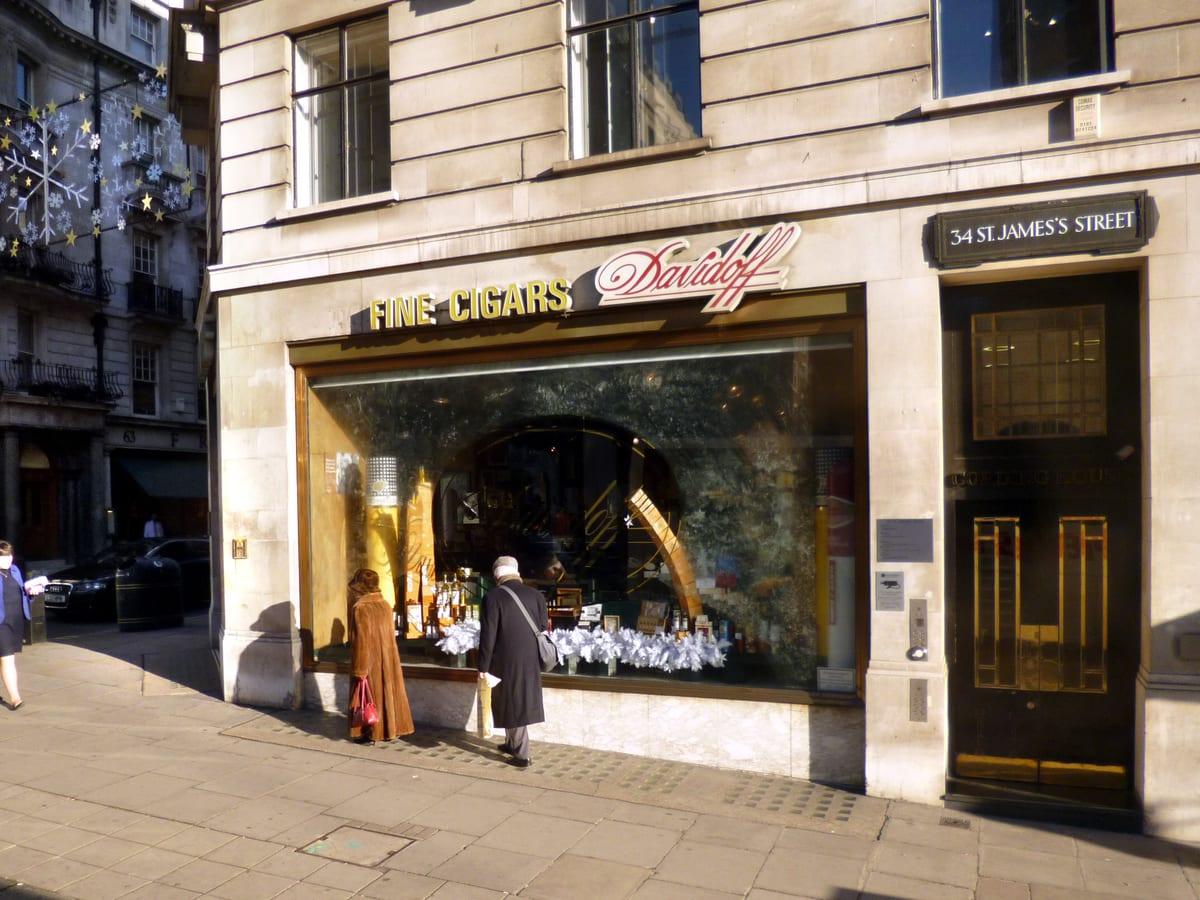
Special lounges & shops
Special lounges, shops, retail culture.
6 lessons · 51m read · 52 quizzes
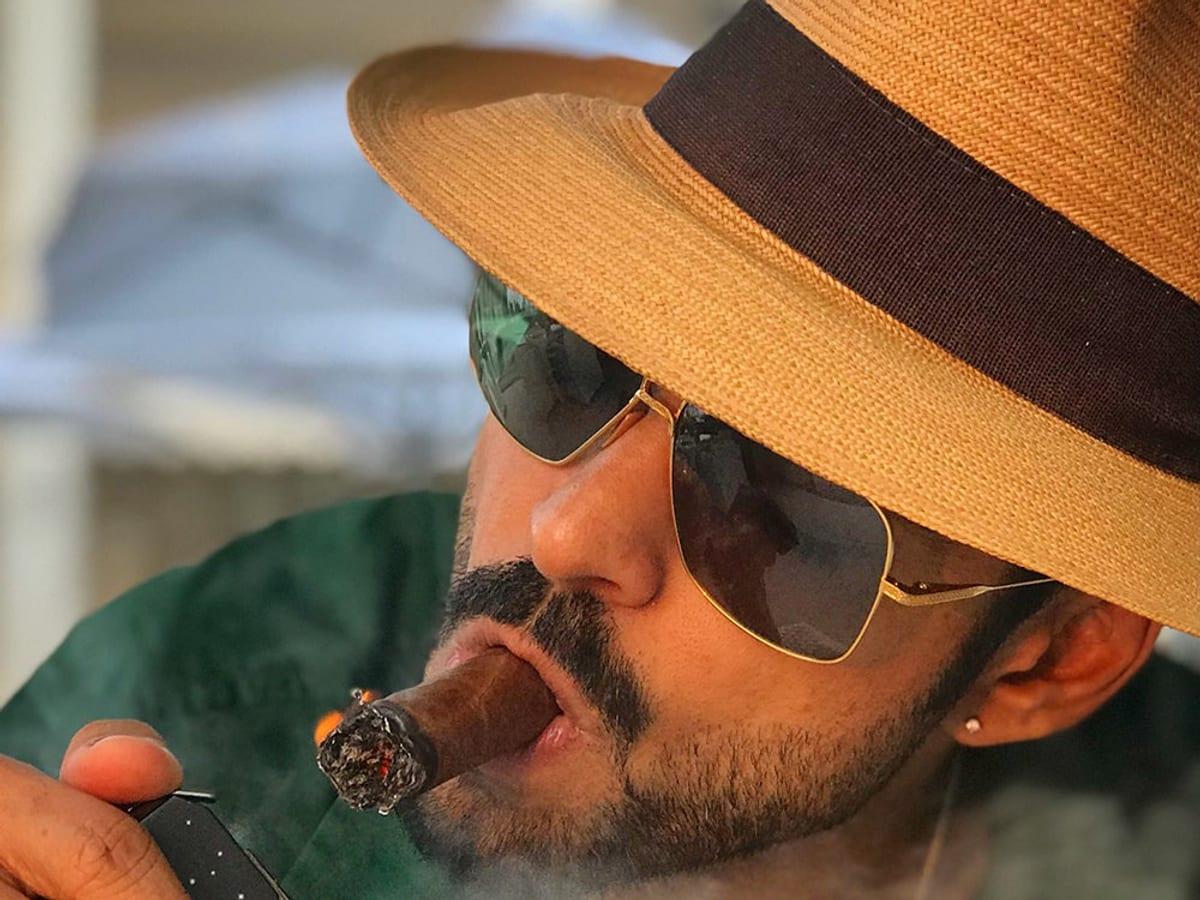
Influencers
Influencers and digital cigar media.
3 lessons · 78m read · 24 quizzes