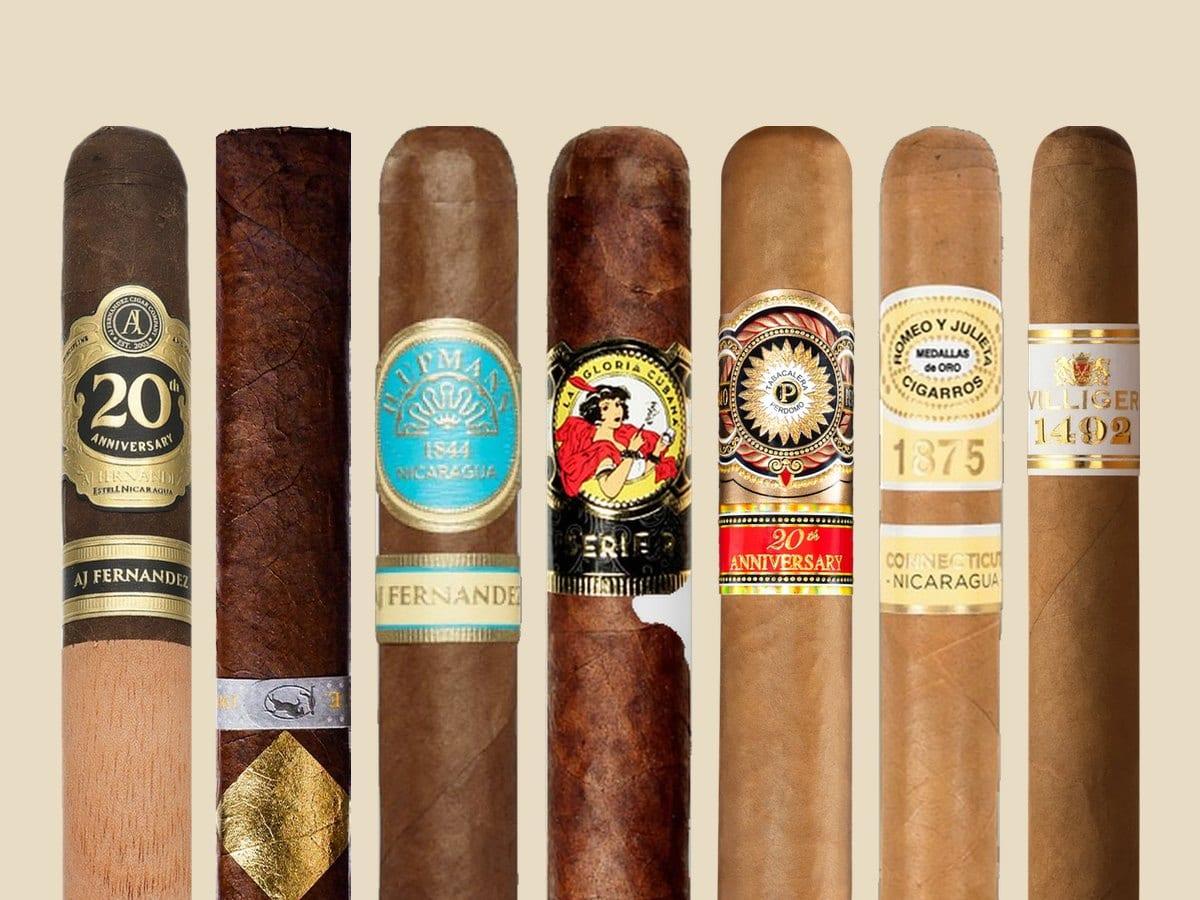
A traveler shopping for cigars meets the same names over and over: Cohiba, Montecristo, Romeo y Julieta, Partagás, H. Upmann, Punch. Many people do not realize that each of these names is really two different cigars, made in two different places by two different companies, because a name that mattered in Havana in 1900 still sells in Miami or Madrid today. This lesson sets out what makes a brand Cuban-rooted, what a Habano is and who sells it, and how one name became two cigars after 1960. The profiles that follow this topic cover the individual brands.
Cuba, the source of the names
The premium cigar grew out of Cuba. A cigar is three parts, the filler at the center, the binder around it and the wrapper, the fine leaf rolled around the outside, and Havana was the first place where the whole craft came together at scale. Spanish rule ran Cuba's tobacco through a royal monopoly, the estanco, for a century from 1717, and after it ended in 1817 free factories opened in Havana and made the city the cigar's capital.
Almost every classical brand name dates from the century that followed. Por Larrañaga was founded in 1834, Ramón Allones in 1837, Punch in 1840, H. Upmann in 1844, Partagás in 1845, Hoyo de Monterrey in 1865, Romeo y Julieta in 1875, El Rey del Mundo in 1882 and La Gloria Cubana in 1885. Montecristo came later, in 1935, and Cohiba and Trinidad after the revolution, in 1966 and 1969. Many of the founders were immigrants from Spain or other countries who came to Havana, built a factory and shipped cigars to Europe and the United States; the brands they left behind still carry their names and, in several cases, their portrait.
What a Habano is
A cigar made in Cuba is called a Habano. The word is more than a label: it is a protected name for a cigar rolled in Cuba from tobacco grown in the island's designated zones, above all the Vuelta Abajo, and it carries a regulated system of boxes, seals and stamps so that a buyer can check a cigar is genuine. The state company that sells every Cuban cigar is Habanos S.A., formed by the Cuban state in 1994 and half owned by a foreign partner since 2000; it markets and exports the whole Cuban range and sells through one authorized distributor in each country, so that every Habano reaches the shelf through a single traced channel. The United States is the one market Habanos S.A. cannot serve, because of the embargo in force since 1962.
One name, two cigars
The split happened fast. On September 15, 1960 the Cuban government seized the cigar factories, sixteen of them in one day along with cigarette plants and leaf warehouses, and the owners' accounts were frozen. The families who ran Partagás, H. Upmann, Punch, Hoyo de Monterrey and the rest left Cuba, most of them with nothing. Some of them, and some of the companies that had bought their brands, registered the same names abroad and began again in the Dominican Republic, Nicaragua or Honduras, so that a cigar smoker in the United States could still buy a Partagás or a Montecristo. The Cuban version stayed on the island and is made today, under the old names, by Habanos S.A.
The table compares the names that exist in both forms, which of the two big non-Cuban owners makes each, and where the non-Cuban version is rolled.
| Brand | Cuban version | Non-Cuban version | Where the non-Cuban one is made |
|---|---|---|---|
| Cohiba | Habanos S.A. | General Cigar | Dominican Republic |
| Montecristo | Habanos S.A. | Altadis USA | Dominican Republic and Nicaragua |
| Romeo y Julieta | Habanos S.A. | Altadis USA | Dominican Republic and Nicaragua |
| H. Upmann | Habanos S.A. | Altadis USA | Dominican Republic and Nicaragua |
| Partagás | Habanos S.A. | General Cigar | Dominican Republic |
| Trinidad | Habanos S.A. | Altadis USA | Outside Cuba |
| Bolívar | Habanos S.A. | General Cigar | Dominican Republic |
| Punch | Habanos S.A. | General Cigar | Honduras |
Read across the table and two companies account for nearly all of it. General Cigar, part of the Danish group Scandinavian Tobacco Group, owns the United States rights to Cohiba, Partagás, Bolívar and Punch. Altadis USA, itself a company of Tabacalera USA, makes the non-Cuban Montecristo, Romeo y Julieta, H. Upmann and Trinidad. The Honduran, Dominican and Nicaraguan versions have their own blends, tobaccos and factories; they share with the Cuban originals only the name, the general look and a founding story.
Why both sides matter
Neither version is a copy of the other, and neither is a fake in its own market. The Cuban Habano is the original, bound to the Vuelta Abajo and to state production, and outside the United States it is the only legal version of its name. The non-Cuban versions rebuilt the same names from different tobacco after the exile, and for American smokers they are simply what the name has meant for two generations. The profiles in this topic follow both, and the Cigar History topic tells the full story of the 1960 seizure and the exodus.