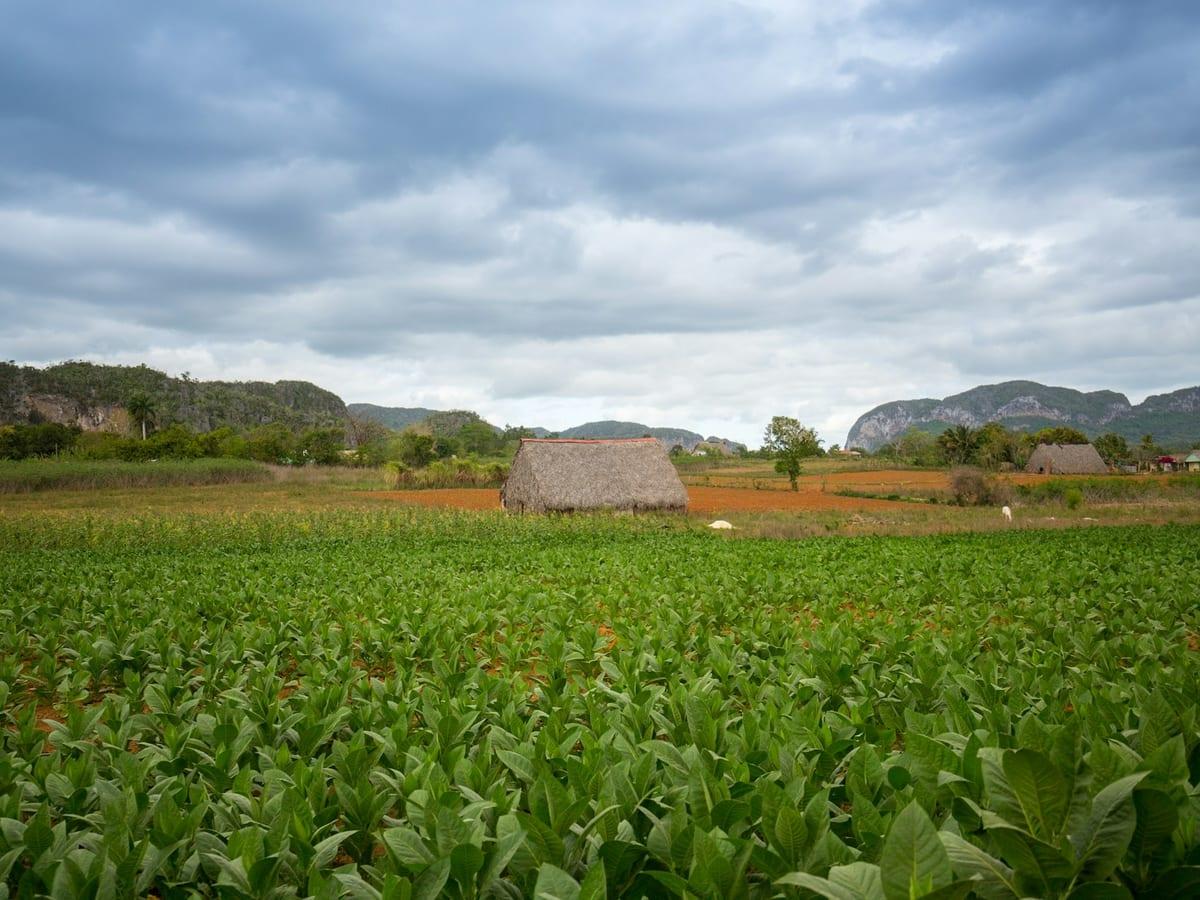
Honduras's third valley is the farthest from the capital and the least written about, which makes this lesson deliberately careful. It sets out what is known about Copán: its geography, the leaf it grows, and the names attached to it, and it flags plainly where the record runs thin. Jamastrán and Talanga are the other two, and Fillers locates all three.
The western valley
Copán is a department in the far west of Honduras, on the border with Guatemala, and its tobacco grows on high ground around its western towns. The region is cool by Honduran standards, at altitude, and it grows Cuban-seed tobacco of the Criollo and Corojo type, the leaf that Honduran puros are built from. It is the westernmate of the country's cigar country, the high edge of it, half a day from the heat of Jamastrán.
The region's tobacco is real but small, and it has no single farm or maker of the scale of the Eiroas' El Corojo. It appears in Honduran filler and wrapper sold to makers, and its leaf sometimes carries the region's name in the trade, but the finer claims made of it, particular grades of wrapper, a documented Copán wrapper crop, are not solidly established in the sources this topic relies on. Honest treatment is to say so.
The name that points there
What Copán most reliably contributes is its name. The cigar world reaches the place through brands and cigars that borrow it, and through the general fact that western Honduras grows highland Criollo leaf used in the country's blends. That is a thinner record than Jamastrán's Corojo story or Talanga's place in the Cosecha 149, and it is the honest measure of the region's role.
The lesson of Copán, then, is partly about how to read a thin regional name. A western Honduran valley exists and grows tobacco; a celebrated, documented product line does not attach to it the way it does to Jamastrán. Where a region is thinly sourced, the careful reader keeps the claim small, and this topic does the same.