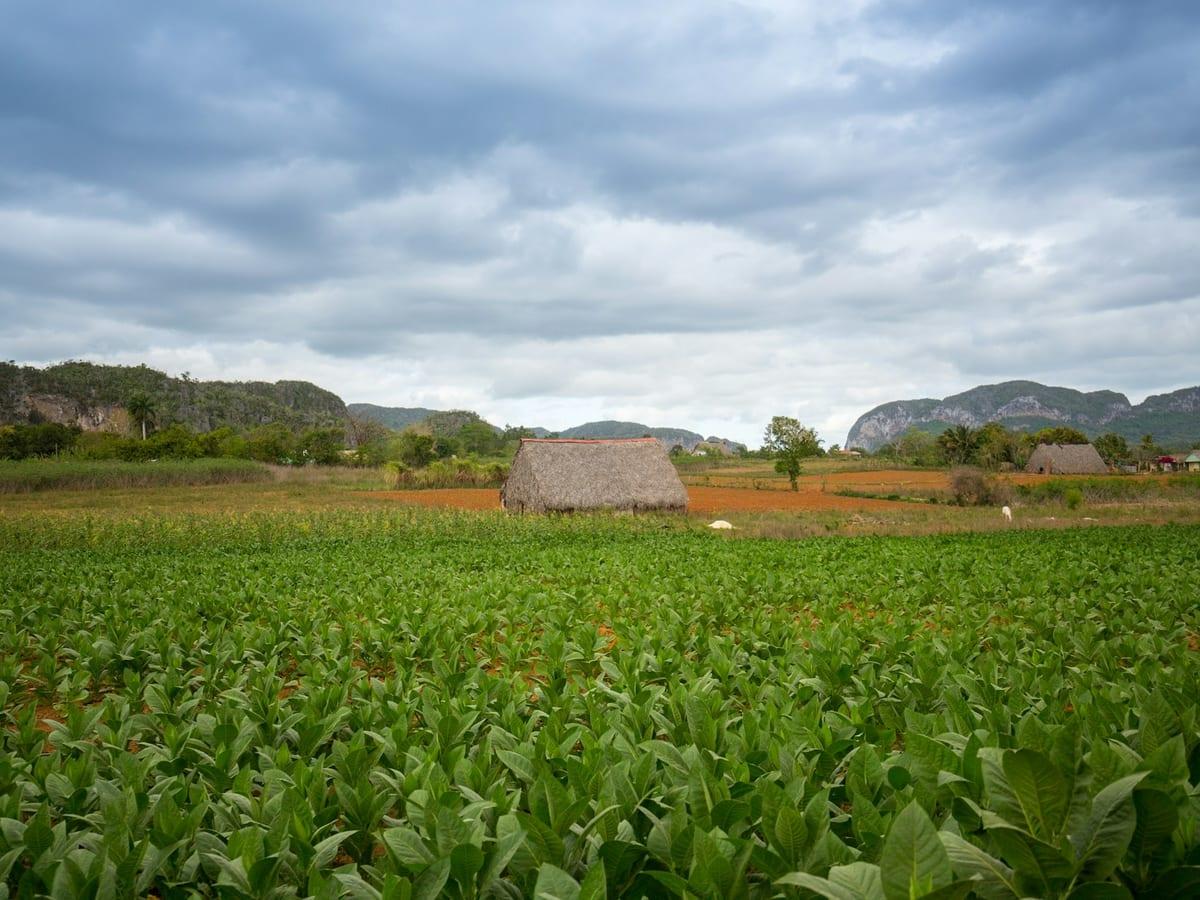
Florida is usually left out of the cigar map, but it was there first. This lesson covers the state's two acts: the shade wrapper of Gadsden County, which taught the formula Connecticut perfected, and the modern sun-grown revival that put Florida leaf back on a band. The Wrappers lesson places both in the American story.
The first shade in the States
American shade-grown wrapper began in Florida, not Connecticut. Growers found in 1896 that tobacco raised under cloth in Gadsden County, in the Florida Panhandle near the Georgia line, produced a fine, thin wrapper, and the discovery spread fast: by 1906 Gadsden County had more than 5,000 acres under shade, a crop of wrapper leaf for the American cigar factories. The idea, and the seed, then moved north, where Connecticut took it up in 1900 and made it famous, as the Wrappers and Growing Methods lessons recount.
The crop lasted for decades, into the 1970s, and then it ended, done in by the same costs and competition that later shrank Connecticut's shade fields. For most of the recent past Florida was a memory of wrapper rather than a source of it.
The sun-grown revival
Florida leaf came back in the sun. In 2019 J.C. Newman, the Tampa cigar maker, released The American, the first cigar wrapped in Florida Sun Grown leaf, grown in the center of the state; the wrapper, and the cigar's Pennsylvania and Connecticut filler, make The American a deliberately all-American cigar, as the Fillers lesson notes. The leaf is sun-grown, thicker and darker than Florida's old shade wrapper, and it has given the state a small, new line of cigar tobacco.
Florida's lesson is that the map has layers. A state can pioneer a technique, lose the crop, and reappear generations later with a different leaf and a different purpose, and the cigar world keeps its name alive through both. It is the smallest of the American regions, first in time and modest now.