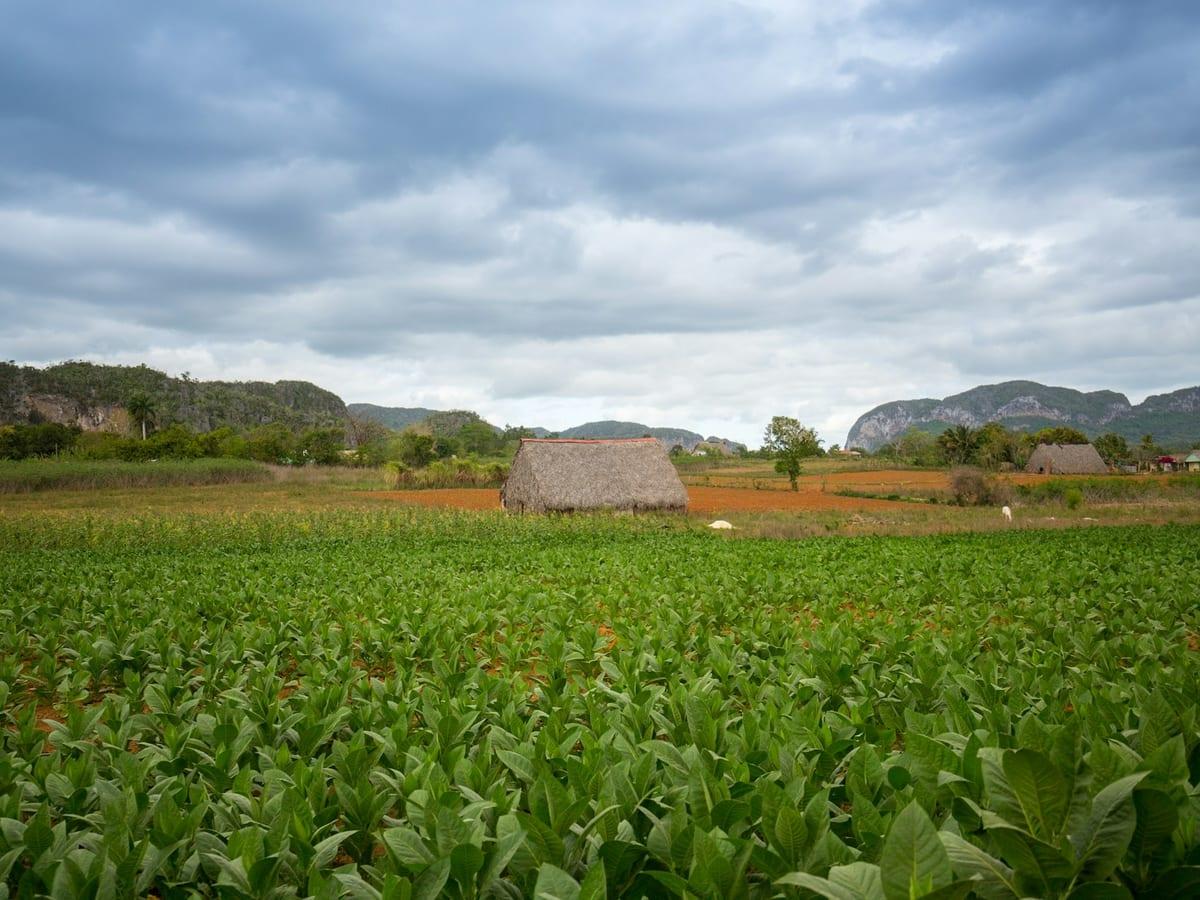
Peru appears on the cigar map mainly through one valley, and this lesson covers it honestly at its true, small scale. Tarapoto is a real tobacco region, not a legend, but it is a backdrop in the premium trade, not a center, and the lesson explains exactly that. It is one of the places the Wrappers and Fillers topics name in passing, given its own note here.
A valley between the Andes and the Amazon
Tarapoto is a city in the department of San Martín in northern Peru, on the eastern slope of the Andes at the edge of the Amazon lowlands, in the high jungle the Peruvians call the selva alta. It sits on the rivers Cumbaza and Shilcayo, tributaries running down toward the Huallaga and the Amazon, and that water, plus the tropical warmth, makes its valley fertile. The region is known for rice, coffee, cocoa and tobacco, among other crops, and the city is old, founded in 1782.
The climate is warm and wet, with rain through the year and a short drier spell in the middle, and the tobacco grown there is a mild, aromatic leaf. It is a small crop by world standards, and it is grown for the inside of cigars rather than for wrapper.
A filler leaf in blends
Peru's cigar tobacco enters the trade mostly through blended filler. The fillers topic records the clearest named use: Casdagli, the boutique maker, rolls its Daughters of the Wind in Costa Rica from Dominican and Peruvian filler, the Peruvian leaf almost certainly of the Tarapoto valley. It is a supporting note, chosen to lighten and sweeten a blend without altering its shape, exactly the role of a minor origin.
That is the accurate measure of Tarapoto. It grows real, usable cigar leaf, and it reaches a handful of adventurous blends, but it has no famous wrapper, no dominant maker and no large crop. The lesson, like the region, stays small: Peru is a minor origin, Tarapoto its main name, and the leaf is a flavor in the mix, not a band on its own.