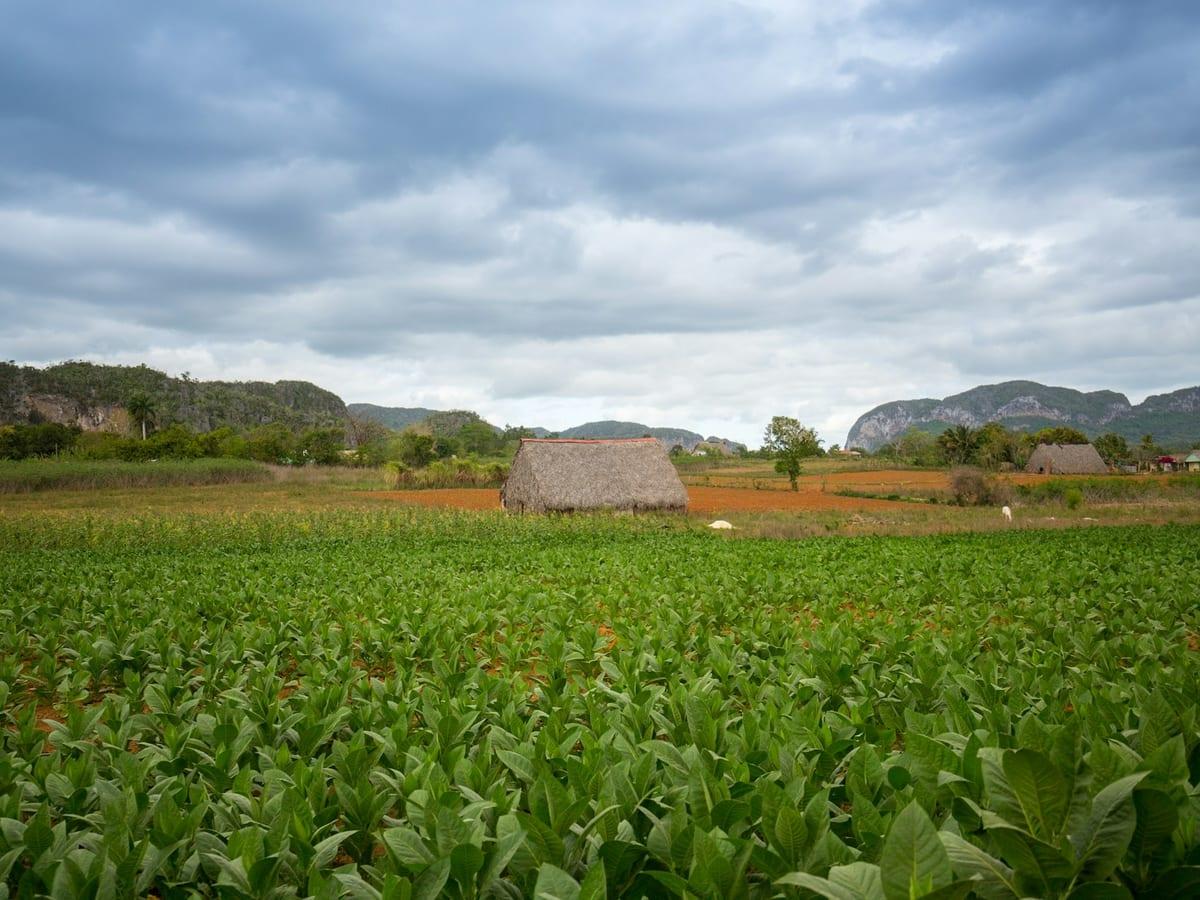
Ecuador's wrapper region is often described as two provinces, Los Ríos and the foothills of Guayas, and this lesson is the second of the pair. It explains where Guayas's tobacco sits, how it relates to Los Ríos, and why the Wrappers lesson names both together. It is a short lesson because the short answer is that the two are one district.
The foothills of a coastal province
Guayas is Ecuador's most populous province, running from the coast around Guayaquil, the country's largest city, inland to the Andean foothills. Its tobacco country is not the hot coast but the cooler foothills toward the mountains, where the lowland plain begins to rise and the cloud of the growing season sits thickest, the same natural shade that covers Los Ríos. The Wrappers lesson locates Ecuador's wrapper precisely there: the province of Los Ríos around Quevedo, and the foothills of Guayas.
The leaf is the same, and the reason is the same. Guayas's foothill farms grow Connecticut, Habano and Sumatra seed under cloud, producing the thin, elastic wrapper leaf that Ecuador is known for, and their bales travel the same roads to the same rolling tables. Guayas is not a different wrapper; it is the southern end of the one that begins at Los Ríos.
Two names, one district
The clearest thing to say about Guayas is that it and Los Ríos should be read together. The trade speaks of "Los Ríos and Guayas" the way it speaks of one place, and Ecuador's wrapper is the product of both, the flat river land and the rising foothills, one under the other's cloud. The Quevedo lesson gives the town, the Los Ríos lesson the province, and this lesson the southern foothills; together they are the whole of it.
So Guayas is best understood as the same answer twice. Where the world's wrapper comes from, two provinces under one cloud, the Los Ríos lesson and this one, are the same district drawn across two administrative lines.