Some places earn their place in cigar writing not because they grow mountains of tobacco but because their name stuck to a seed. San Victor is one of those. This lesson explains where it sits, what grows there, and how a village in the Cibao gave its name to an Olor strain now grown across the country's fields.
A district near Moca
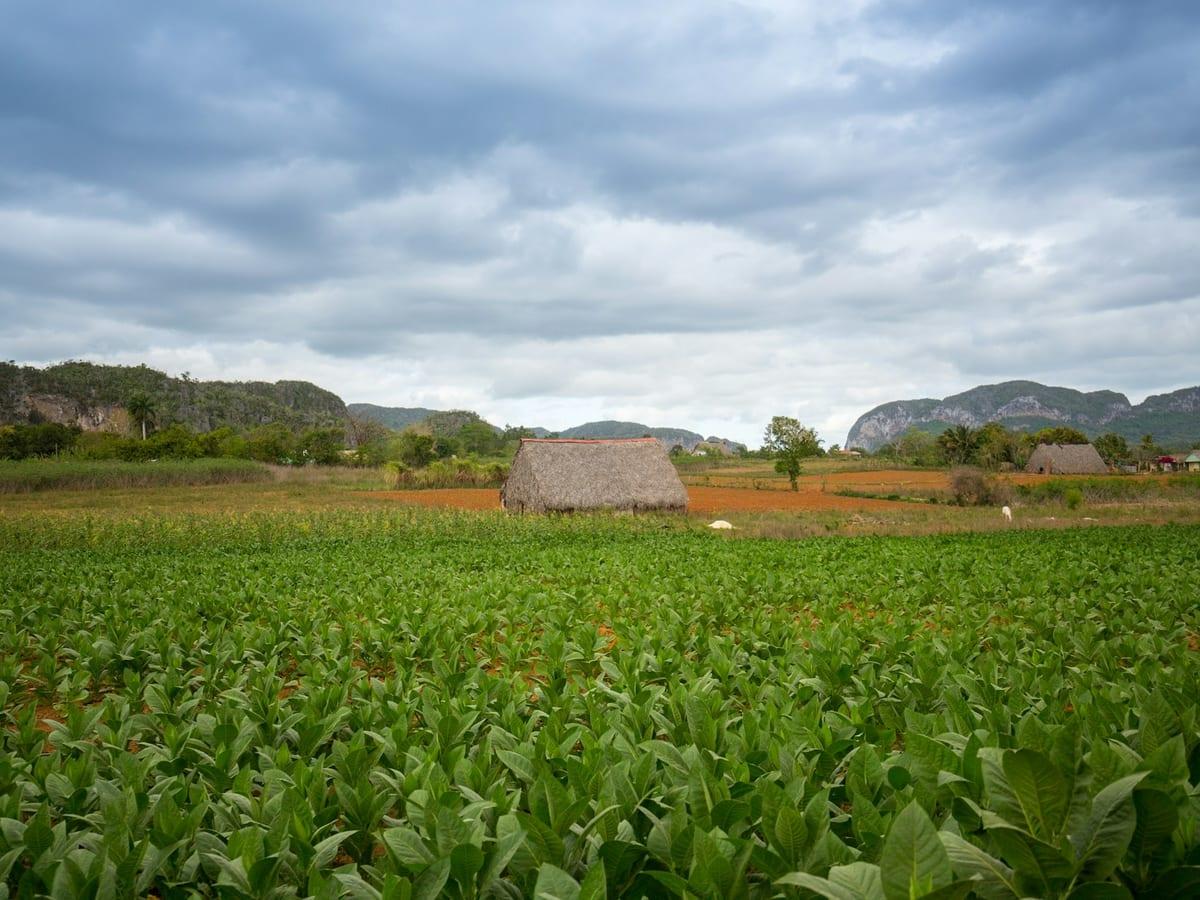
San Victor, or San Víctor, is a small community in the north of the Cibao, within the tobacco country that runs through the province of Espaillat around the town of Moca. Moca and the villages around it share the Cibao's pattern: deep soil, a dry winter season, and a crop that is almost all sun-grown filler and binder for the country's factories. San Victor's leaf is the mild, aromatic Olor Dominicano that the Cibao lesson describes, not an exotic specialty.
The old claim that San Victor produces silky wrapper leaf is not what the record supports. The Seed to Leaf topic lists the country's Olor strains, and one of them is Olor San Víctor, a filler and binder leaf; the strain is the district's real, documented mark on the trade. San Victor grows Olor, one of the mild leaves at the center of thousands of Dominican blends, and its distinction is the name.
A name that became a variety
The fact worth paying attention to is that a village's name travelled onto a seed. Olor San Víctor is one of the local strains of Olor Dominicano, alongside names such as Quin Díaz, Chago Díaz, Papayo, Amarillo Parado, Tumba Rancho and Carbonell. These names record where, or from whom, a strain was first kept and selected, and they are used the way the cigar world uses any home-grown name: as an honest mark of origin that has outgrown its mile of ground.
That is what San Victor contributes to the region. It is a small district whose tobacco is the standard mild leaf of the northern Cibao, and whose name has been preserved, strain by strain, in the seed book of the country's filler. It matters less for the leaf it ships than for the leaf that carries its name.