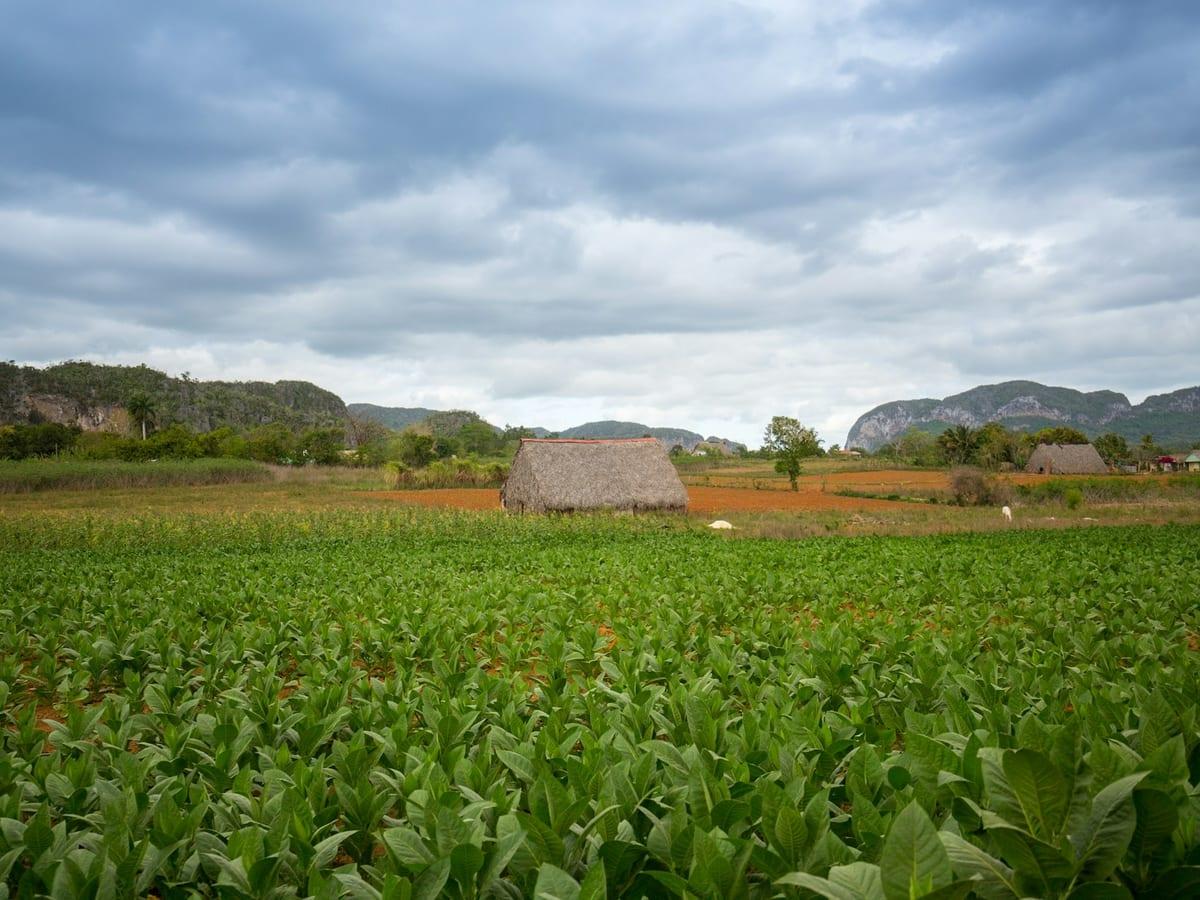
Between the great Honduran valleys, Jamastrán in the south-east and Copán in the west, sits Talanga, and it is the quiet middle term of the three. This lesson covers what is established about Talanga: where it is, what it grows and for what, and where its leaf turns up. It is a short lesson because the region's documented role is short.
A central valley near the capital
Talanga is a town and valley in the department of Francisco Morazán, a short way north-east of Tegucigalpa, the Honduran capital. It lies in the center of the country, away from the lowland heat of Jamastrán and the western highland cool of Copán, and it has grown tobacco as long as Honduras has been a cigar country. The Fillers topic places it plainly among the three Honduran valleys: Jamastrán in the south-east, Talanga in the center, Copán in the west.
The fact that it is central is its character. Honduran tobacco runs from the hot south-east to the cool west, and Talanga sits at the middle altitude, growing leaf for the binder and filler that hold Honduran blends together. It is not a celebrated wrapper source, though its leaf is sometimes grown for wrapper too; the record on exactly which crop it is best known for is genuinely thin, which is itself worth saying rather than papering over.
Where its leaf turns up
The clearest documented use of Talanga leaf is inside the blend. Plasencia's Cosecha 149, an all-Honduran cigar named for the family's 149th harvest, that of 2014, takes its filler from Jamastrán, Olancho and Talanga, three valleys doing three jobs in one cigar. Beyond that, Talanga leaf appears in Honduran filler and binder sold to makers large and small, without the named individual farms that Jamastrán enjoys.
Talanga, in short, is the next valley over. It grows Honduran leaf, mostly for the inside of the cigar, and it is best understood as part of the country's patchwork rather than as a region with a single famous product. The Cosecha 149 is the clearest place a smoker meets its name.