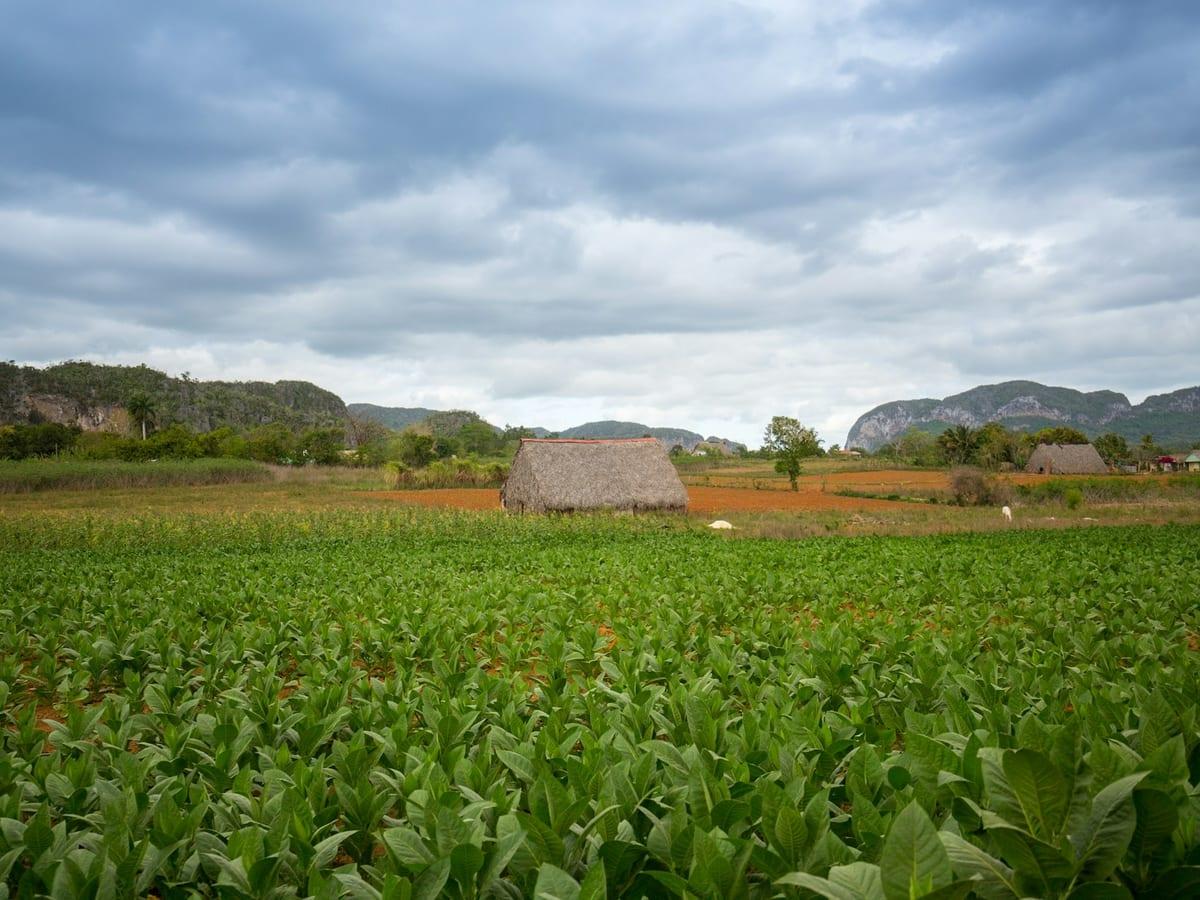
Every country has a second tobacco name that appears on lists without much behind it, and Tuxpan is Mexico's. This lesson explains what Tuxpan is geographically, what is actually known about tobacco there, and why it should not be confused with San Andrés. It is a caution about thin region claims, and it is deliberately short.
A northern port, a southern valley
Tuxpan, or Tuxpan de Rodríguez Cano, is a coastal city and river port in the far north of the state of Veracruz, on the Gulf of Mexico, hundreds of kilometers north of the San Andrés valley. Veracruz is the heart of Mexican tobacco, but its premium dark leaf, the San Andrés Negro of the premium cigar trade, grows in the south of the state, in the Sierra de los Tuxtlas, which the San Andrés lesson covers. The north around Tuxpan is a different matter: a hotter, wetter coastal plain that grows ordinary air-cured and burley tobacco for the domestic cigarette and machine-cigar market rather than wrapper for premium cigars.
The distinction is the whole point. Two Veracruz tobacco districts, one famous and one not, are sometimes run together by readers, but they are not the same leaf, the same climate or the same trade. San Andrés feeds the premium market; Tuxpan's crop does not have a distinct character that makers buy and name.
A thin entry, stated plainly
The honest measure of Tuxpan is that it has no documented cigar-leaf story of its own in the sources this topic uses. It is a real place in a real tobacco state, and tobacco is grown in its region, but no maker, farm or cigar of the premium trade is tied to it, and the finer claims sometimes attached to it, a smooth medium wrapper, a distinct filler, are not verifiable. This topic keeps the entry small rather than invent a pleasant fiction for it.
That is itself a useful lesson about regional lists. Some names on the map are there because tobacco grows somewhere nearby, not because the place supplies the cigar business, and Tuxpan is best read that way: a northern Veracruz town, a real but minor crop, and no place in the premium trade. The San Andrés lesson is where Mexico's contribution to cigars actually begins.