Lessons
- 1History and Tradition9 min readA cigar box begins as a way to move cigars without crushing them and to keep them from drying out, and it becomes a nameplate, a promise of quality and, for collectors, an object in its own right. Before boxes, cigars travelled tied in bundles and wrapped in palm leaves, cloth or paper. Spanish cedar, the aromatic wood of the American tropics, solved the problem of keeping tobacco in condition, and by the middle of the 19th century the cedar box, dressed in printed labels, was the standard way a cigar reached its buyer.
- 2Box Types and Styles9 min readCigar boxes come in a small set of traditional styles, each with a job: a clearly labelled box for the counter, a sliding-lid cabinet for cigars that should rest untouched, a curved 8-9-8 for round cigars, a plain natural-wood boîte for a house that wants the wood to speak, and the jar and the tube for single-market or single-cigar display. Almost all are lined or built in Spanish cedar, and the common counts of 25, 50, 100 and 250 go back to the 19th-century American tax laws.
- 3Certification and Security8 min readThe stamps and codes on a box exist to prove two things: that the duty was paid and that the box is genuine. Cuba wraps every box in a guarantee seal, a warranty seal first issued in 1889 and since 2009 carrying a hologram and its own barcode, plus a stamp declaring the cigars "Hecho en Cuba", and prints a code that names the factory and the date of boxing. Makers in other countries carry no state seal of that kind and instead add safeguards of their own, from a numbered band to a government track-and-trace code.
Next in Industry & Collecting
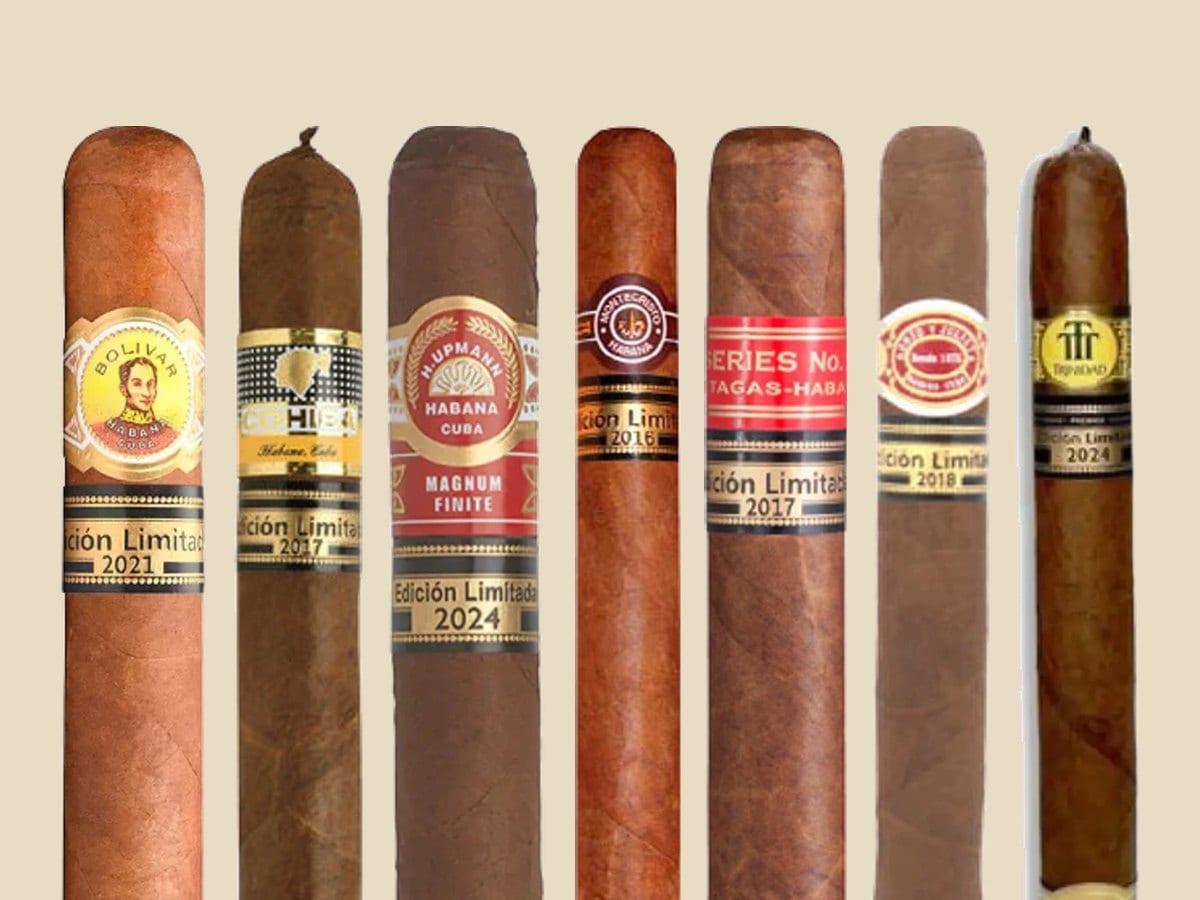
Limited Editions
Limited editions, scarcity, demand.
4 lessons · 34m read · 42 quizzes
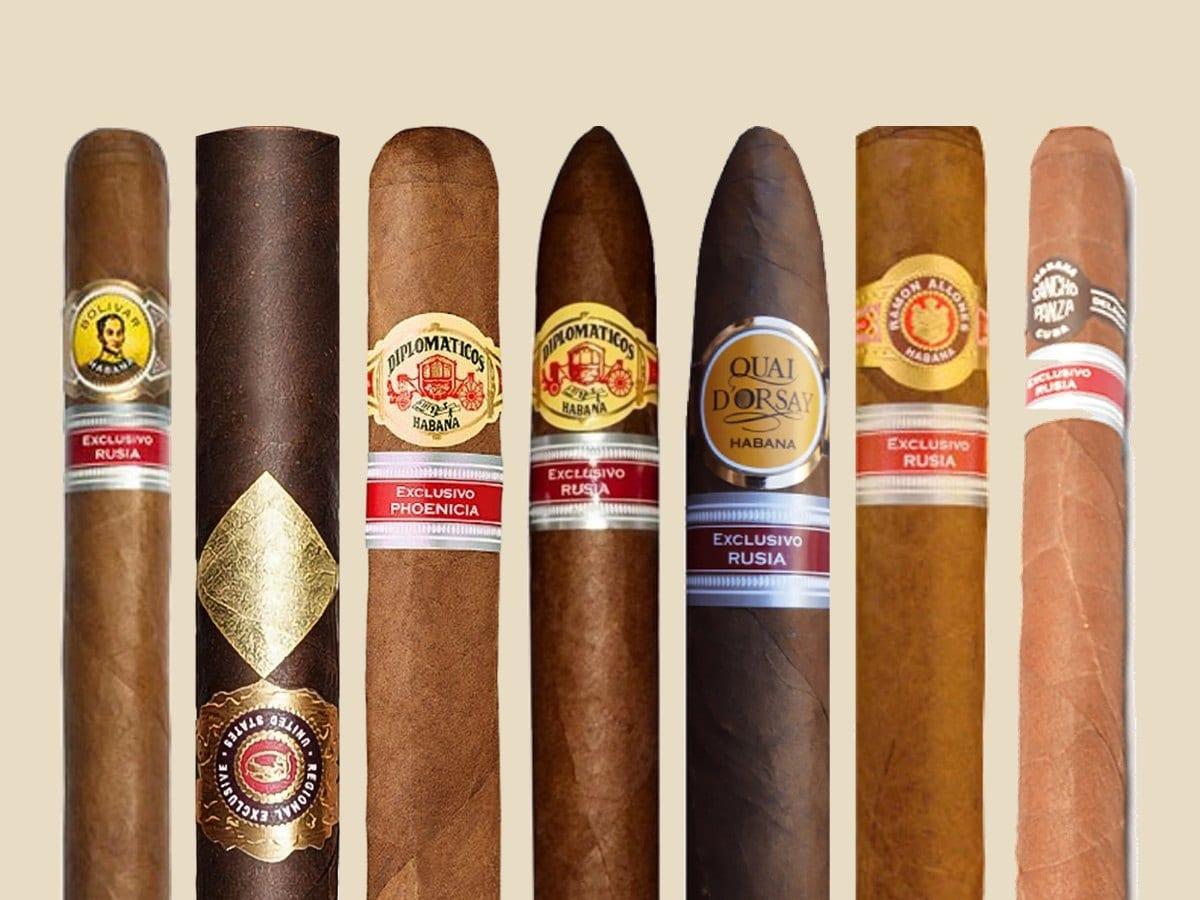
Regional Editions
Regional editions and allocation.
3 lessons · 27m read · 38 quizzes
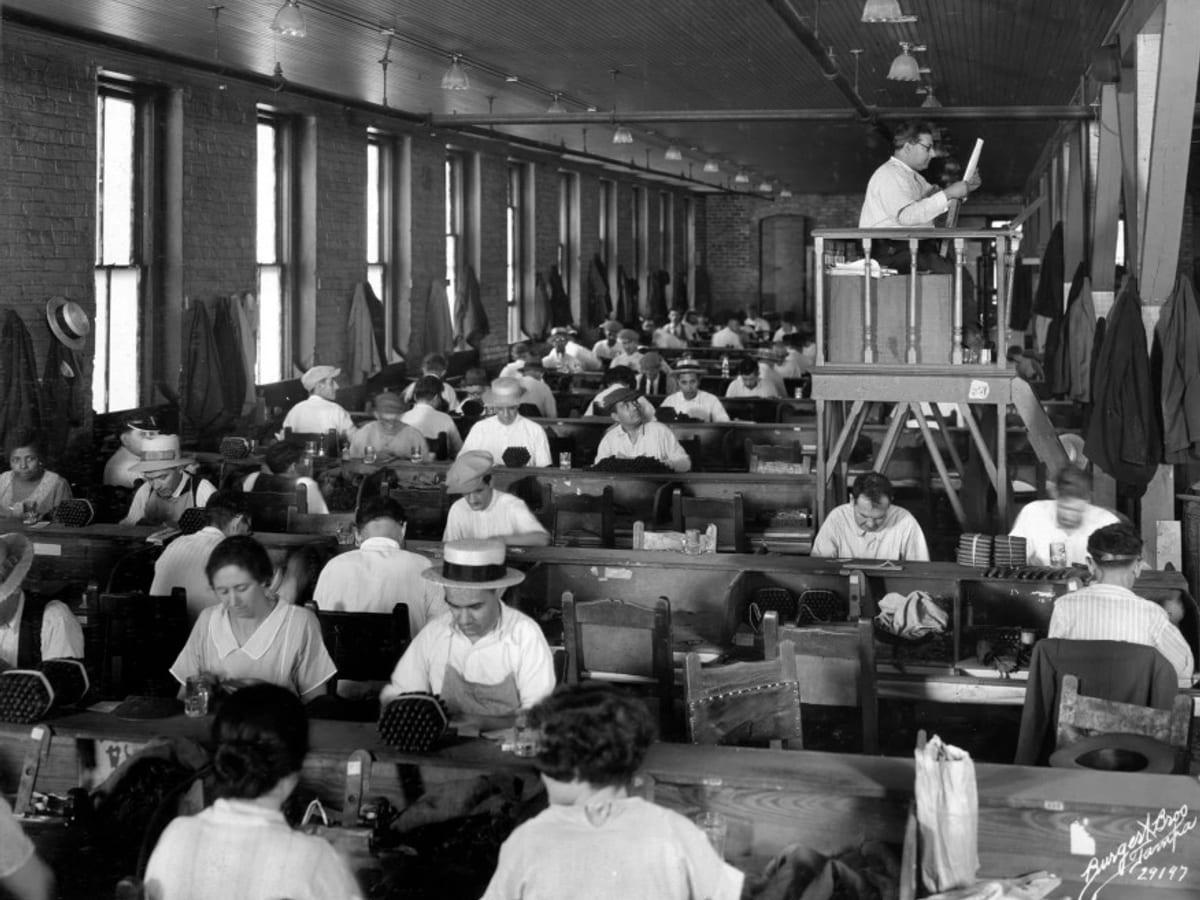
Industry
Industry structure and distribution.
11 lessons · 283m read · 116 quizzes
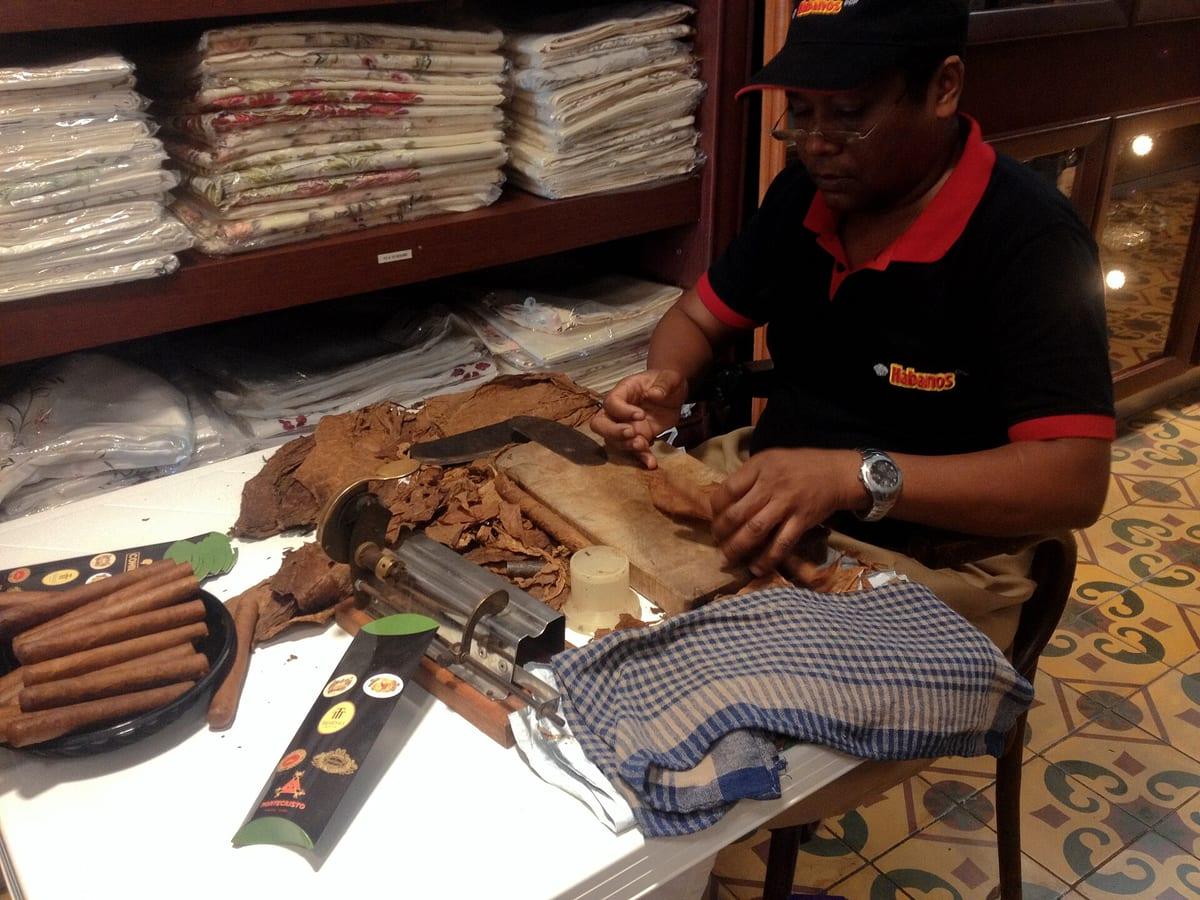
Workers
Factory roles, labor, specialization.
7 lessons · 101m read · 78 quizzes
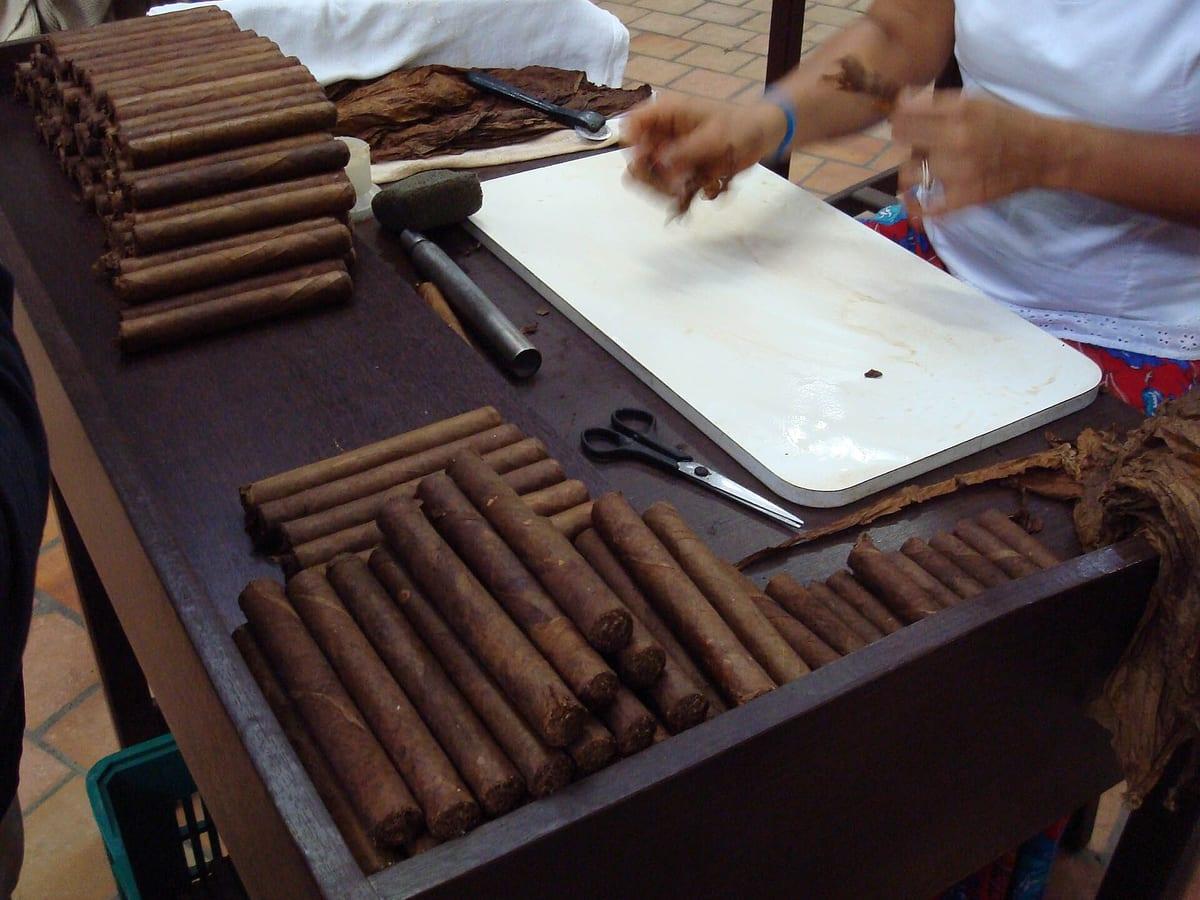
Special Producers
Boutique and small-batch makers
1 lesson · 14m read · 22 quizzes
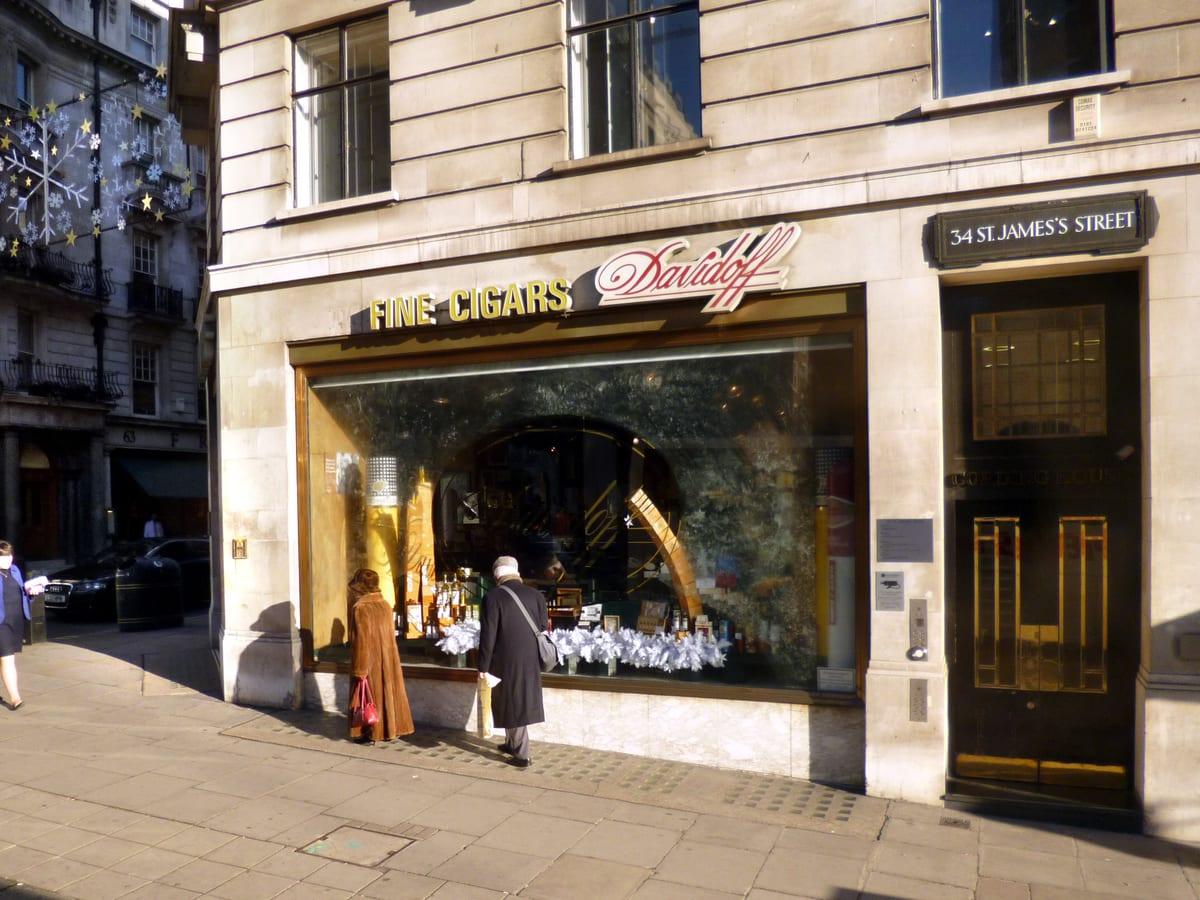
Special lounges & shops
Special lounges, shops, retail culture.
6 lessons · 51m read · 52 quizzes

Influencers
Influencers and digital cigar media.
3 lessons · 78m read · 24 quizzes