Lessons
- 1Global Production & Leading Countries11 min readCigar production is concentrated in a small group of countries, nearly all of them in the Caribbean and Central America, because the leaf and the skilled hands that turn it into a premium cigar exist together only in those places. Over the last thirty years the balance has shifted sharply: Cuba, which dominated through the 20th century, now leads on value and prestige rather than volume, while production has spread to a broader base led by Nicaragua and the Dominican Republic, with Honduras acting as a quiet giant behind them. The United States remains the world's largest market, buying rather than making most of what it smokes.
- 2Major Producers (Companies)12 min readThe cigar business is split between two kinds of company. On one side stand the large multinational groups that dominate distribution and mass production; on the other, the family-run premium makers that set the culture, the prestige and the blends. Scandinavian Tobacco Group is among the largest by volume, and it owns General Cigar; Habanos S.A. markets and exports every Cuban cigar; Altadis, formed from the tobacco monopolies of Spain and France, was bought by Imperial Brands, which sold its premium cigar business in 2020; and Swisher leads the machine-made mass market. To know these companies is to understand how a cigar travels from field to factory to humidor.
- 3Global Market Trends43 min readThe world market for premium cigars, those made from natural tobacco and almost always rolled by hand, has grown more in value than in volume since 2020. The United States, the largest market, has imported about 430 million premium cigars a year since 2023, most of them from Nicaragua. Habanos S.A., which sells every Cuban cigar abroad, raised its revenue from $507 million in 2020 to $827 million in 2024 while Cuba shipped fewer cigars. Prices, harvests, taxes and takeovers now shape the trade.
- 4Regulation and Legal — USA, EU, Russia9 min readCigar rules differ sharply between the United States, the European Union and Russia, and the differences shape what reaches each market. The United States built its system on a federal public-health law and lawsuits; its 2016 "deeming rule" brought cigars under the same authority as cigarettes, until the courts removed premium cigars from it in 2023. The European Union harmonizes its rules through a directive that each country can then tighten. Russia runs a centralized, tax-driven and document-heavy regime. Every global cigar maker has to design itself around all three at once.
- 5Technological Innovations7 min readCigar making is built on handcraft, but technology increasingly shapes it, not to replace the artisans but to stabilize quality, improve traceability and efficiency, and answer regulation, labor costs and supply-chain pressure. The largest change is artificial intelligence and machine vision, which can now assess a tobacco leaf for color, maturity, curing and structure at a level close to an expert grader. Sensors watch the leaf through fermentation and storage, and digital ledgers track a cigar's provenance. The torcedor remains.
- 6Economic Impact in Nicaragua45 min readCigars are one of Nicaragua's leading exports and the main business of its northern highlands. In 2025 the country's free-trade-zone factories exported $431.7 million of tobacco products, most of them cigars, about one dollar in every twenty that Nicaragua earned abroad, and about four-fifths went to the United States. Tens of thousands of people, more than half of them women, grow, sort and roll tobacco around Estelí. Cuban exiles built the industry in the 1960s; war and embargo nearly ended it in the 1980s.
- 7Economic Impact in the Dominican Republic46 min readCigars are the Dominican Republic's third most valuable export, after gold and medical instruments. In 2024 the country sold $1,055 million of cigars abroad, about one dollar in every twelve it earned from exports, and in 2025, when sales to the United States fell, $964 million. Most are made in free-trade-zone factories around Santiago, in the Cibao valley, which employed about 38,600 people in 2025, six in ten of them women. Cuban exiles and foreign companies built the modern industry from the 1960s on.
- 8British Cigar Import Dynasty8 min readBritain's great cigar import houses were trading families, not manufacturers, and from the 18th century to the late 20th they shaped how cigars reached Europe. As gatekeepers between the Caribbean and Latin American producers and Europe's upper classes, they decided which brands entered, how cigars were aged and what they cost, and they influenced tastes and prestige far beyond Britain. Their power rested on shipping, imperial trade and an elite client base, with London's St James's at the center and Hunters & Frankau as the lasting example.
- 9Hand Rolled. Premium is Premium49 min readFor ten years the American cigar trade argued in court that a handmade cigar is not a cigarette. In 2016 the Food and Drug Administration brought every cigar under the federal tobacco law, premium ones included, after considering and rejecting an exemption for them. Three trade associations sued. A federal judge struck the rule down for premium cigars in 2023, an appeals court agreed in 2025, and in April 2026 the judge fixed the eight tests a cigar must pass to count as premium.
- 10Cigar Aficionado20 min readCigar Aficionado is the American magazine that Marvin R. Shanken launched in New York in the fall of 1992, and it became the most influential publication the premium cigar trade has had. It arrived just as American demand for handmade cigars began to climb, and it is widely credited with helping to set off the boom of the 1990s. It mixes blind-tasted cigar ratings with celebrity interviews and the wider good life, and its annual Cigar of the Year still moves sales from Havana to Estelí.
- 11Accessories Industry39 min readA cigar burns away in an hour; the lighter, cutter and humidor that serve it can last a lifetime. A small group of companies makes those tools. Some are luxury houses that began in leather goods, such as S.T. Dupont (Paris, 1872) and Dunhill (London, 1893). Others are specialists: Zippo and Colibri in lighters, Xikar in cutters, Elie Bleu in humidors, Boveda in humidity packs. This lesson covers who they are, who owns them, how they make and price their goods, and the rules that govern lighters.
Next in Industry & Collecting
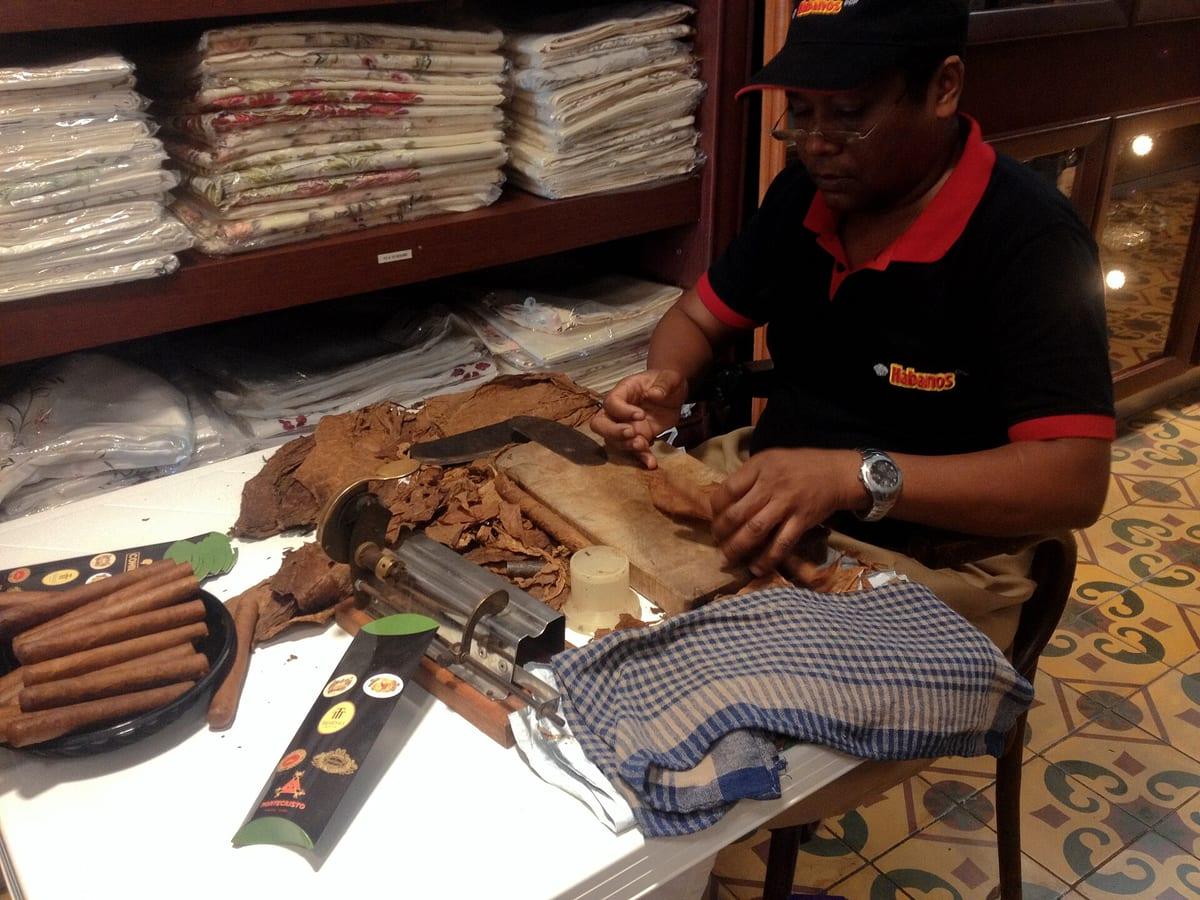
Workers
Factory roles, labor, specialization.
7 lessons · 101m read · 78 quizzes
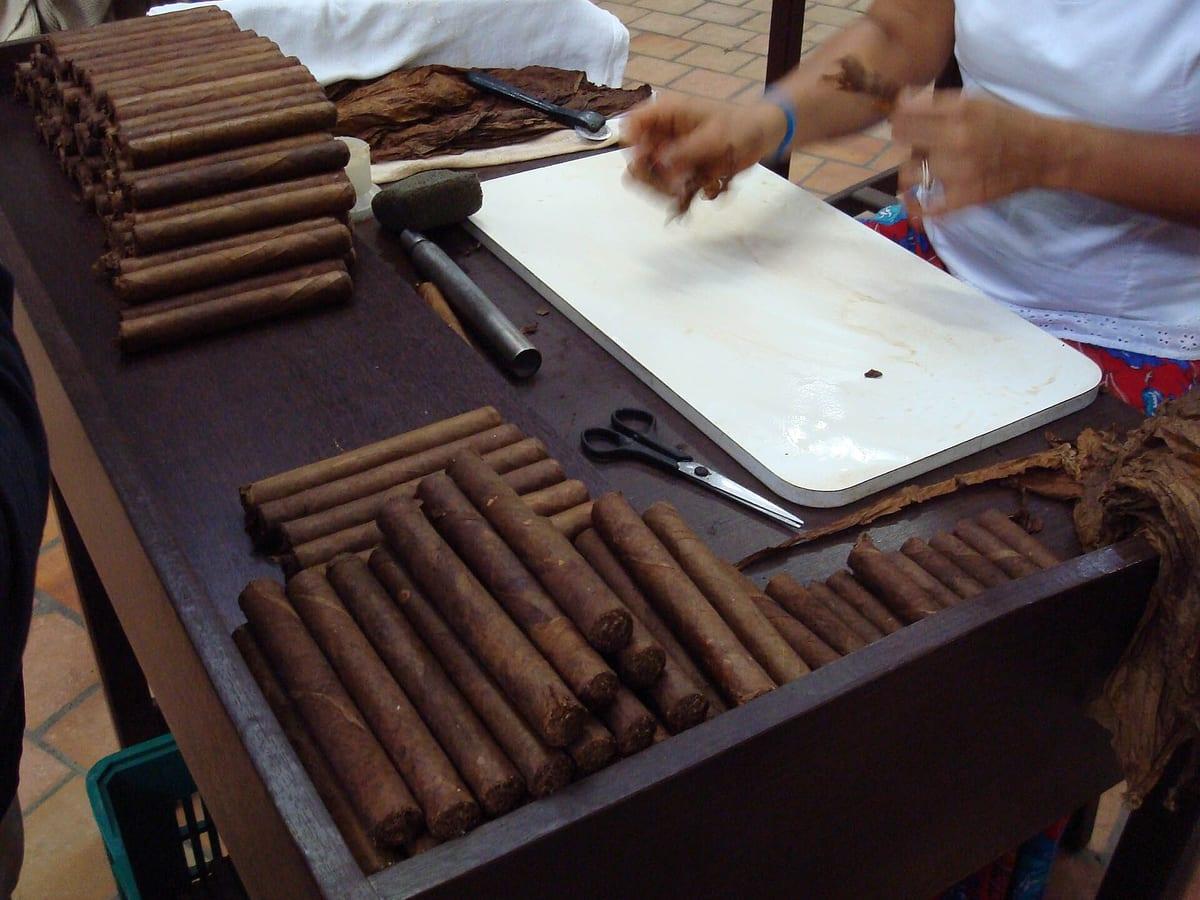
Special Producers
Boutique and small-batch makers
1 lesson · 14m read · 22 quizzes
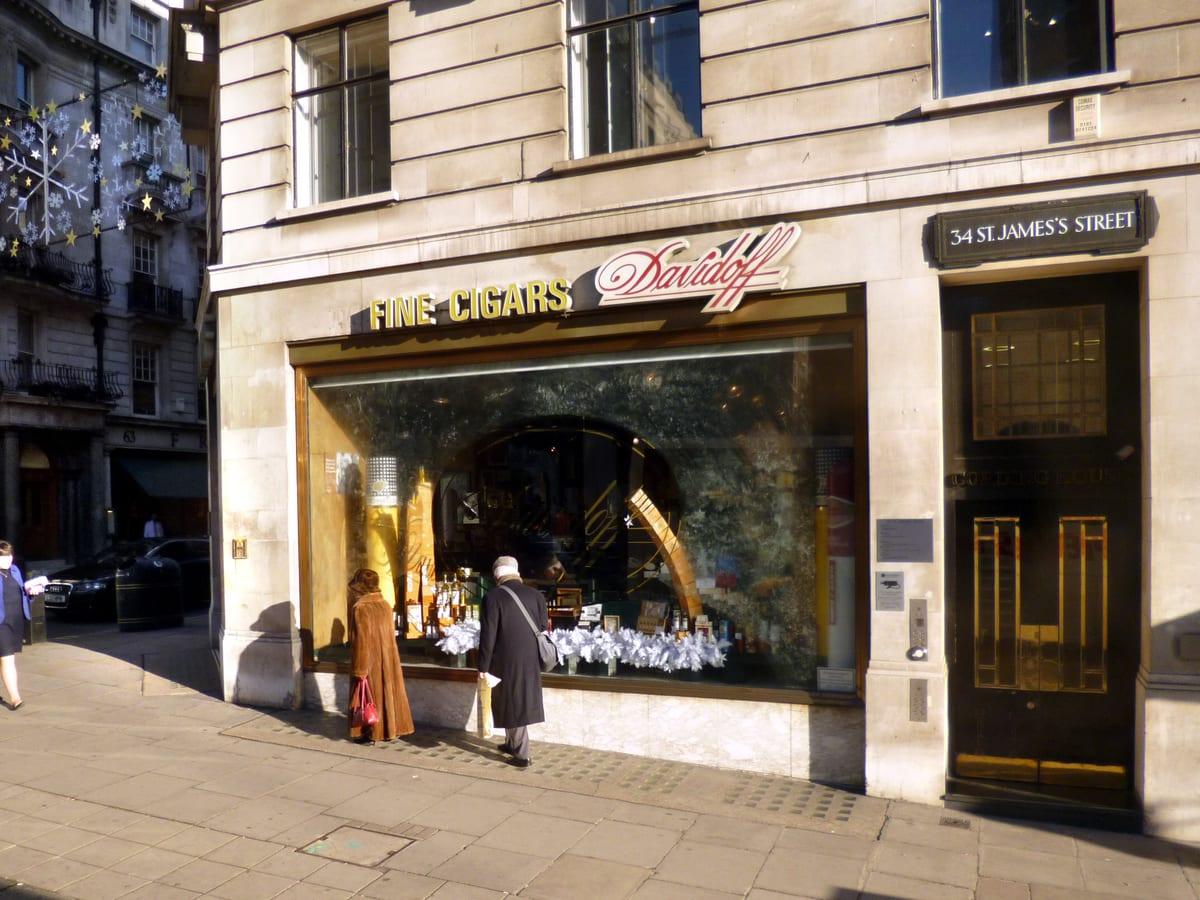
Special lounges & shops
Special lounges, shops, retail culture.
6 lessons · 51m read · 52 quizzes

Influencers
Influencers and digital cigar media.
3 lessons · 78m read · 24 quizzes