Lessons
- 1Wrappers17 min readThe wrapper (capa) is the leaf rolled around the outside of a cigar, and the only one you see. It is a small part of the tobacco, and the filler gives most of a cigar's strength and body, but the wrapper is the first leaf you taste and it burns all along the outside, so it shapes flavor, aroma and sweetness far beyond its weight. It must be thin, elastic and even, which makes it the hardest leaf to grow and the costliest, and its name can describe its seed, where it grew, how it was grown or its color.
- 2Wrappers: Seed and Variety18 min readMany wrapper names, such as Connecticut, Habano, Corojo or Sumatra, name a seed rather than a place: the variety of tobacco plant the leaf comes from. Most of today's wrapper varieties descend from a few families, the Cuban tobaccos, the Sumatra leaf of Indonesia and the broad-leaved tobaccos of the United States, alongside a few dark local leaves of Mexico and Brazil. The seed sets a leaf's size, texture and range of color, but soil, climate, the way it is grown and the way it is fermented decide what it becomes.
- 3Growing Methods16 min readWrapper is grown in three ways. Under cloth, as in Cuba and Connecticut, filtered sunlight gives large, thin, elastic leaves with fine veins; in Ecuador, a natural cloud cover does much the same work without cloth; and in full sun, plants grow a thicker, darker leaf with bolder flavor, the usual choice for maduro. Wrapper is then picked leaf by leaf or by the whole stalk, cured, fermented and graded with more care than any other tobacco, which is why it costs the most.
- 4Origins21 min readA wrapper's origin is where its leaf grew, which is often not where the cigar was rolled. Only a few places grow wrapper well: Cuba, Ecuador, the Connecticut River Valley, Nicaragua, Honduras, Mexico's San Andrés valley, Brazil, Cameroon and Indonesia grow most of it, each with its own varieties and its own character. The Dominican Republic, one of the great cigar countries, grows very little, and most Dominican cigars wear wrappers from elsewhere.
- 5Color Scale12 min readWrapper colors run on a scale from green to almost black: candela, claro, colorado claro, colorado, colorado maduro, maduro and oscuro. Color comes from the seed, the sun, the leaf's place on the plant, curing and above all fermentation, and a maduro is made by fermenting thick leaf longer and hotter. Color tells you a good deal about a wrapper's sweetness and body, but nothing certain about a cigar's strength, which comes mainly from the filler.
- 6Popular Wrappers12 min readA handful of wrappers cover most of the cigars in a humidor: Connecticut Shade and Ecuador Connecticut, the Cuban-seed Habano and Corojo leaves of Ecuador, Nicaragua and Honduras, Sumatra and Cameroon, and the maduro leaves of Connecticut Broadleaf, Mexico's San Andrés and Brazil. Each has a typical look and a set of notes reviewers name most often, though the binder and filler always have their say. This lesson describes each, with cigars that wear it, and how to compare them yourself.
Next in Tobacco & Craft
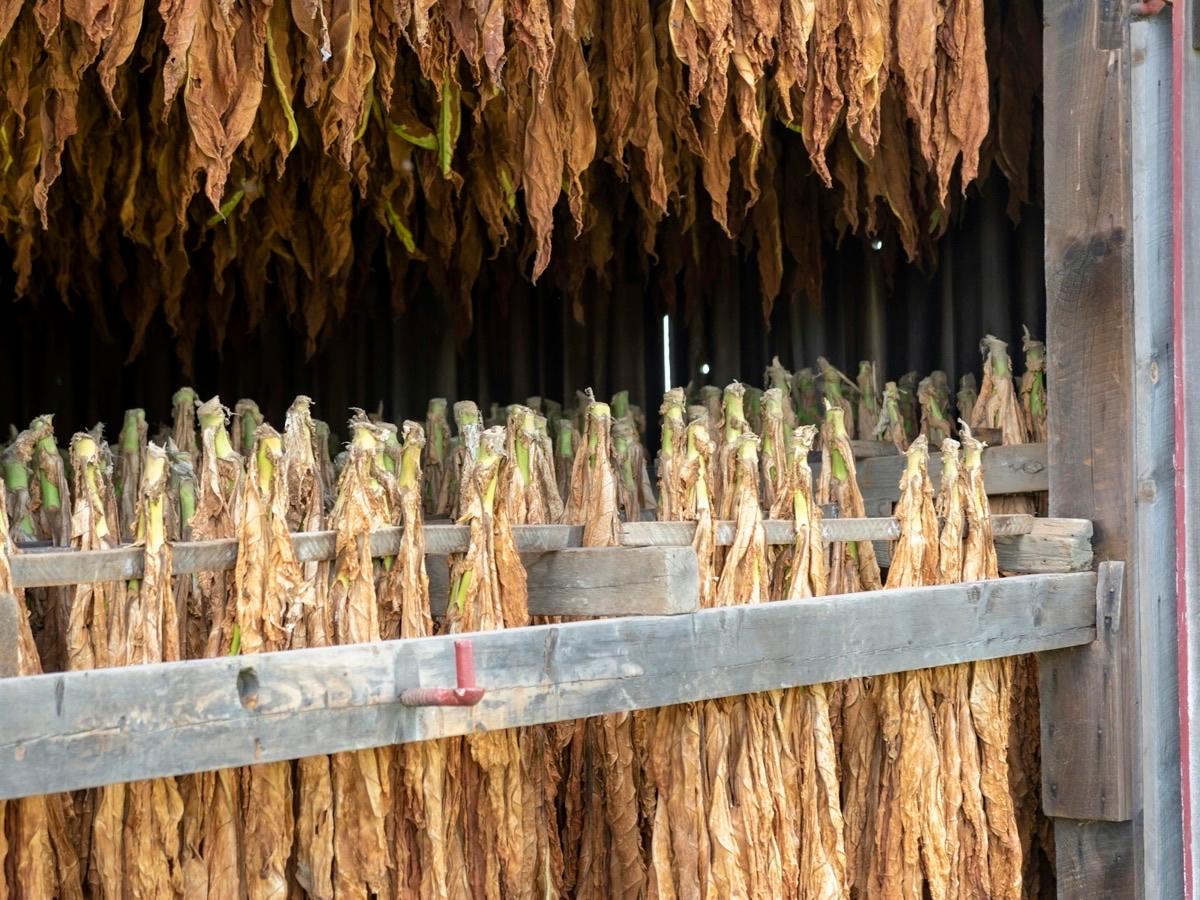
Curing & Fermentation
Curing, fermentation, aroma and burn.
9 lessons · 96m read · 70 quizzes
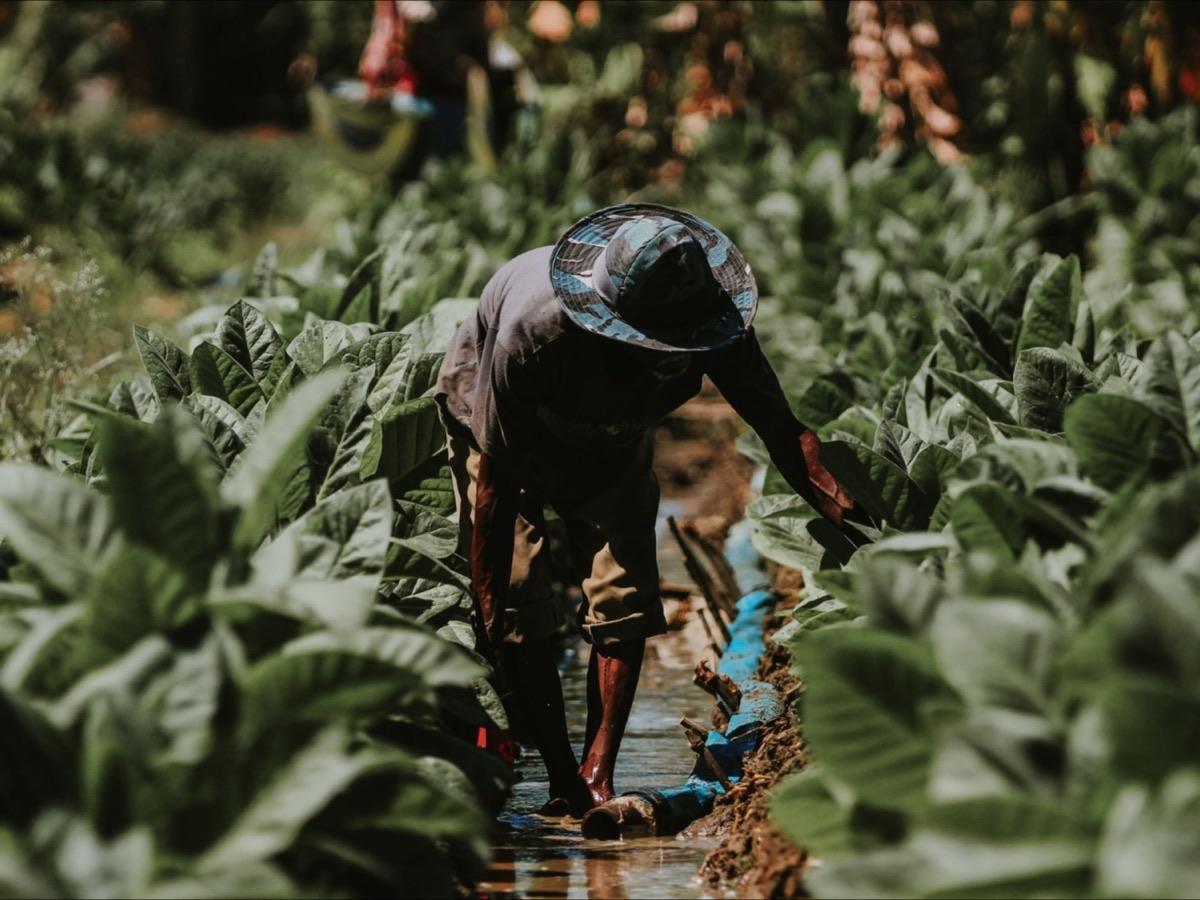
Tobacco Farming
Tobacco farming and leaf quality.
14 lessons · 170m read · 94 quizzes
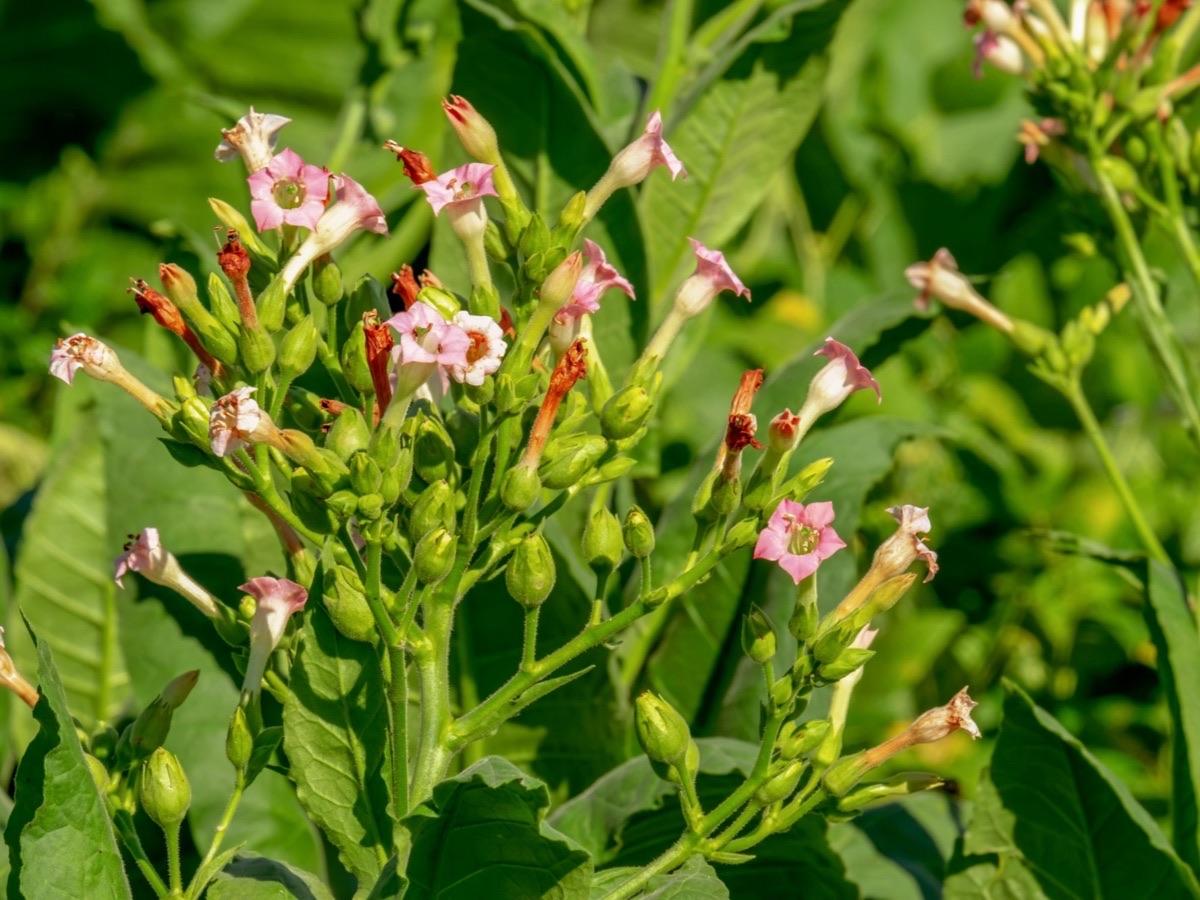
Seed to Leaf
Seed selection and leaf development.
9 lessons · 134m read · 71 quizzes
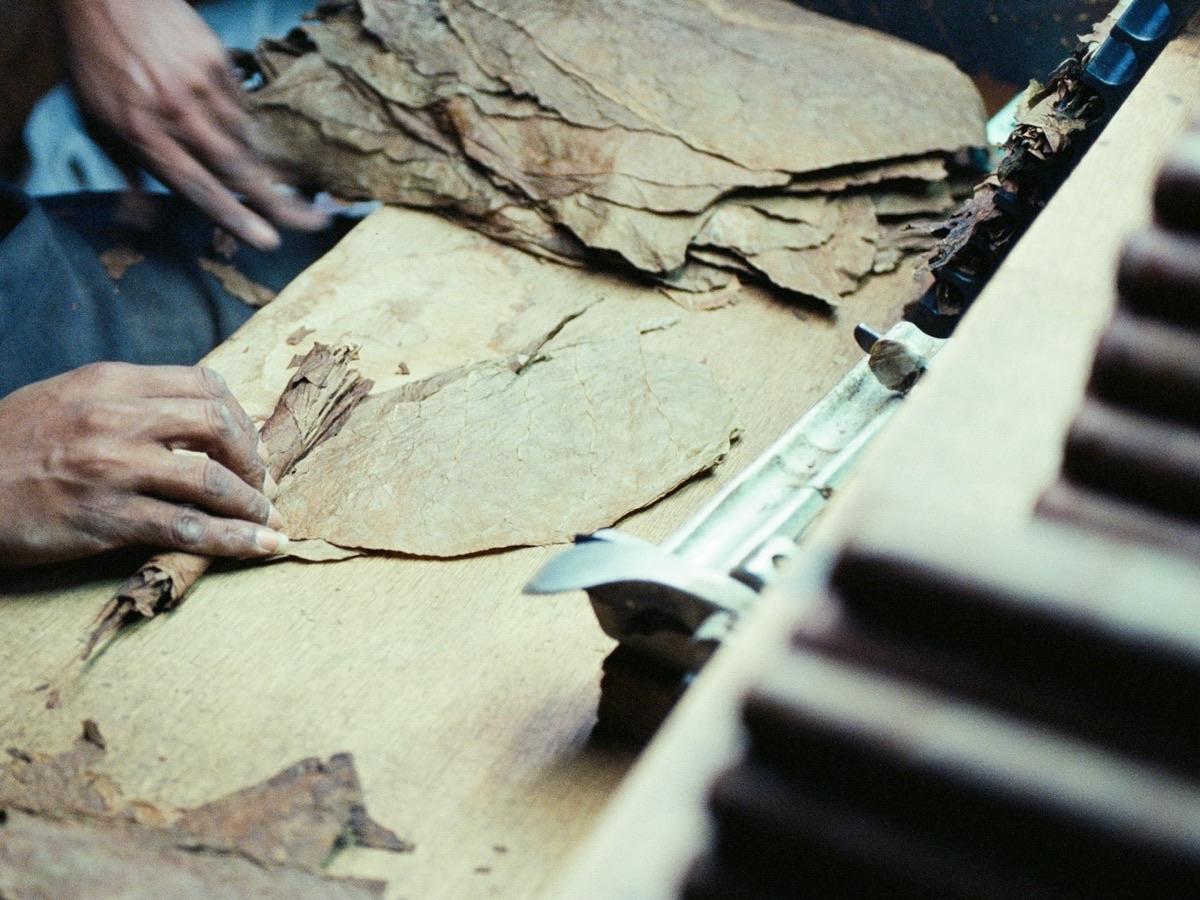
Cigar Construction
Bunching, binder, wrapper
3 lessons · 36m read · 25 quizzes
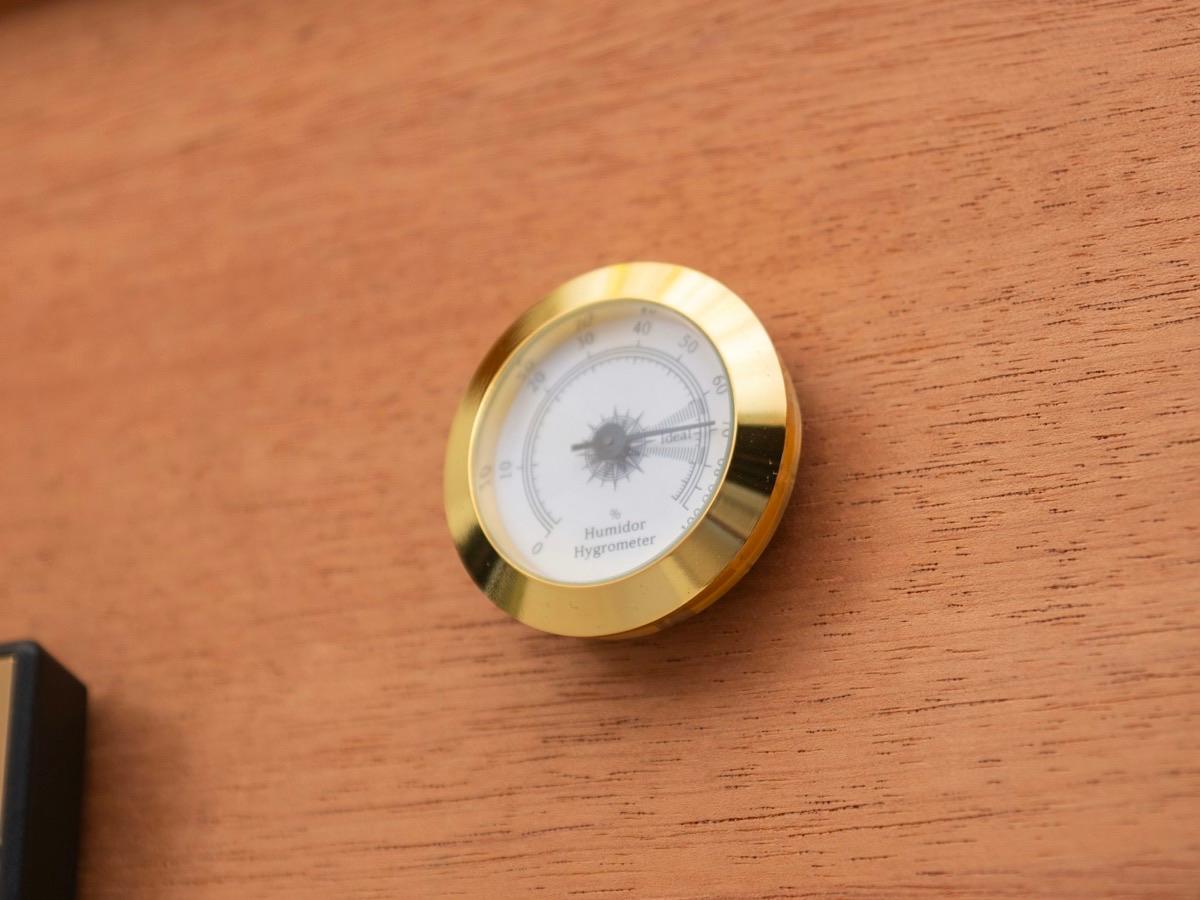
Storage & Humidity
Humidity control and cigar storage.
6 lessons · 61m read · 47 quizzes
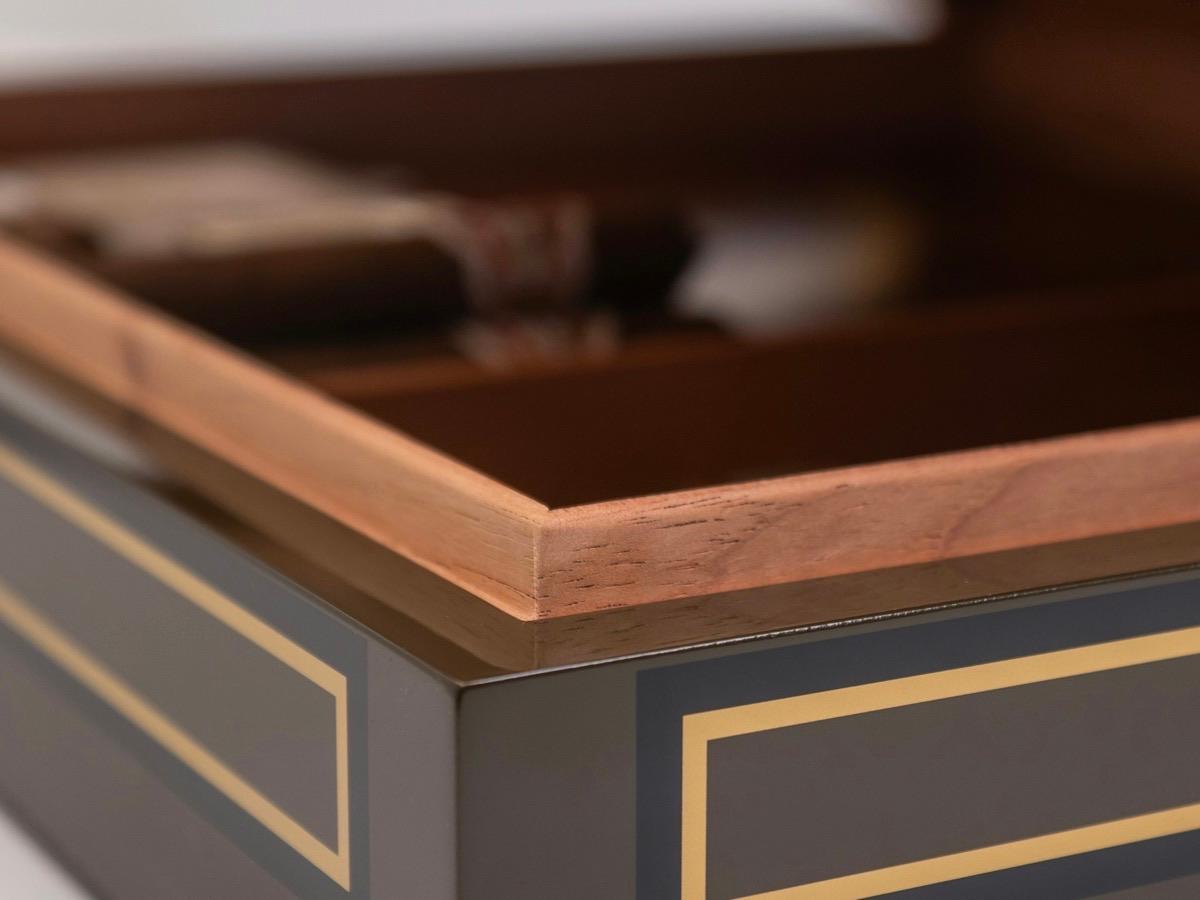
Humidor Essentials
Types, seasoning, maintenance
3 lessons · 31m read · 38 quizzes