Lessons
- 1Curing Barns19 min readCuring is the slow drying of freshly picked tobacco, and nearly every leaf in a premium cigar is cured in the air of a barn, the casa de tabaco. Hung on poles for about 35 to 65 days, the leaf turns from green to yellow to brown and loses most of its water and nearly all its sugar. The barn's work is to keep that drying slow and even, with doors and vents and, in damp weather, a little heat; Cuba also cures some wrapper in controlled barns in about 25 days.
- 2Color Transformation13 min readA tobacco leaf is green when it is picked and brown when it leaves the barn. The change comes in two stages: while the leaf is still alive, its green chlorophyll breaks down and leaves it yellow; once its cells die, enzymes turn its polyphenols into brown pigments. The leaf's position on the plant, how it was grown and the pace of the cure decide its final shade, and fermentation darkens it further, most of all in maduro. Candela is the opposite case: a wrapper dried fast with heat so it stays green.
- 3Moisture Control12 min readCuring and fermentation are both, in large part, a matter of water. A freshly picked leaf is about 80 to 85 percent water; the cure takes it below 20 percent, slowly enough for the leaf to color and lose its harshness without rotting. The leaf is then moistened again to ferment, dried for the bale and moistened once more before rolling. Too much water at any stage brings mold and rot; too little leaves the leaf green, brittle or unfermented.
- 4Pilon Building9 min readA pilón is the pile in which cured tobacco ferments. Hands of moistened leaf are laid flat, one on another, into a block that often weighs more than a tonne, and the pile heats up on its own as the leaf's enzymes and the microbes on it go to work. Because the heat builds most in the center, the pile is taken apart and rebuilt by hand, top to bottom and outside in, whenever it gets too hot. Piles range from about half a tonne to five tonnes and more.
- 5Fermentation Rooms9 min readMost cigar tobacco ferments in large, humid warehouses: in Cuba the escogida and the despalillo, the state's sorting and stripping houses, and elsewhere the processing plants that makers run in Nicaragua, the Dominican Republic and Honduras. There the pilones are built and turned, the leaf is sorted, stripped and dried between fermentations, and finally pressed into bales to age. The rooms are kept warm and damp, and they smell strongly of ammonia.
- 6Fermentation Monitoring and Timing9 min readA fermenting pile is judged by its heat. A long thermometer pushed into its center is read every day; when the heat reaches the limit set for that leaf, the pile is turned, and when it no longer heats up after a turn, its fermentation is done. Makers set their limits from about 32 °C (90 °F) for some natural wrappers to about 60 °C (140 °F) for maduro, because heat speeds fermentation but changes what it does. The fading smell of ammonia and the state of the leaf complete the picture.
- 7Fermentation Cycles12 min readCigar leaf is fermented in stages, not all at once. Every rebuild of the pile starts a new rise and fall of heat, and most leaf goes through many such turns, often in two or three separate fermentations with sorting, wetting and stripping in between. In Cuba, filler gets up to three fermentations, the last lasting about 90 days for ligero and medio tiempo, and wrapper one of at least 20 days. Elsewhere schedules run from a few months to more than a year, and the leaf then ages in bales, often for years.
- 8Ammonia Release7 min readAmmonia is the sharp smell of a fermentation room. It forms as the leaf's proteins and amino acids, and part of its nicotine, break down, a little during curing and far more in the heat of the pilón, and it escapes each time the pile is opened and turned. Well-fermented leaf has lost most of it. Leaf that was under-fermented, or rolled too soon, keeps a harsh, ammonia edge, which is why some very young cigars smell of it. Fermentation lowers nicotine far less predictably than it removes ammonia.
- 9Differences by Tobacco Type11 min readEach kind of leaf is fermented to suit it. The thin lower leaves need the least fermentation and the thick upper leaves the most: in Cuba the final fermentation runs 15 to 25 days for volado, 45 to 60 for seco and about 90 for ligero and medio tiempo. Wrapper is fermented more gently than filler, to protect its color and elasticity, while maduro gets the longest and hottest treatment of all. Seed and origin count too: Ecuadorian Connecticut needs less fermentation than Connecticut Shade grown in the United States, and thicker leaf stands more.
Next in Tobacco & Craft
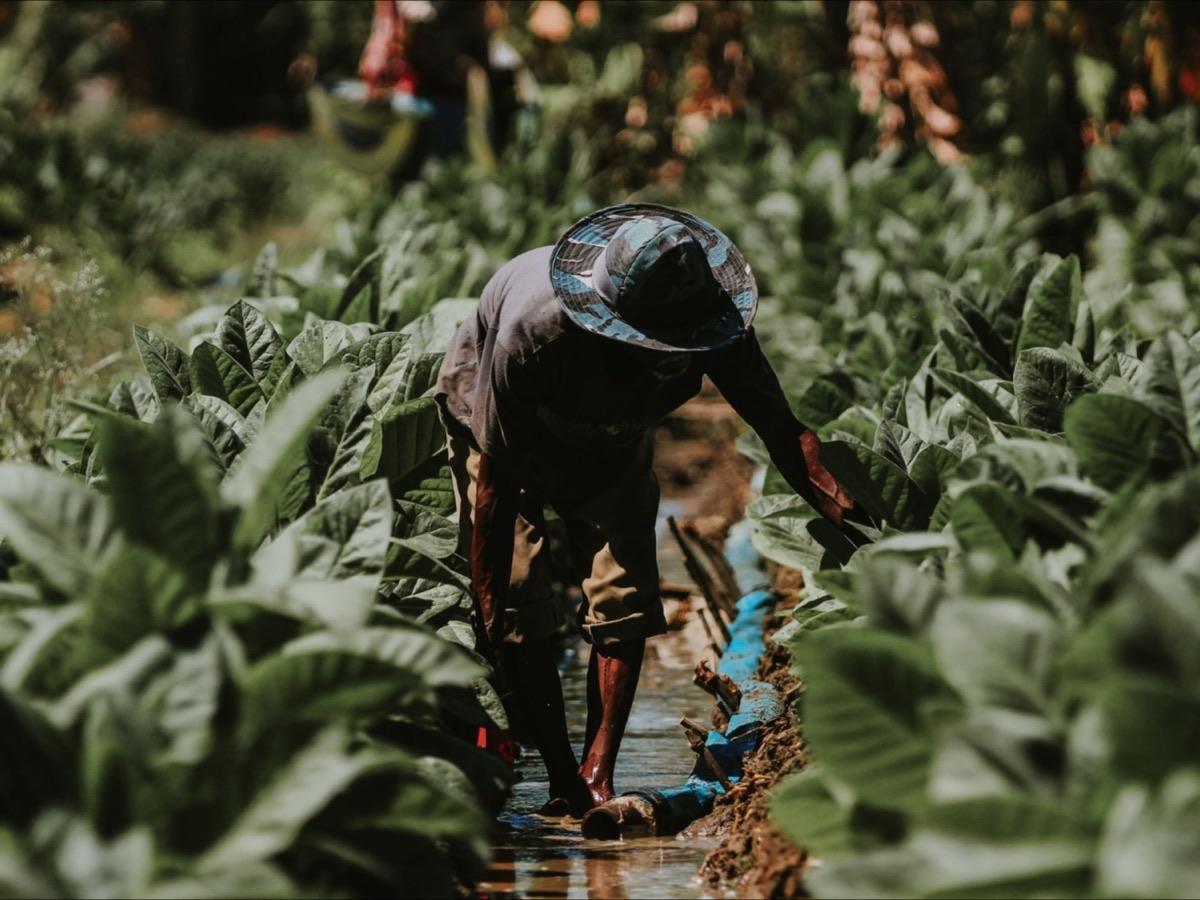
Tobacco Farming
Tobacco farming and leaf quality.
14 lessons · 170m read · 94 quizzes
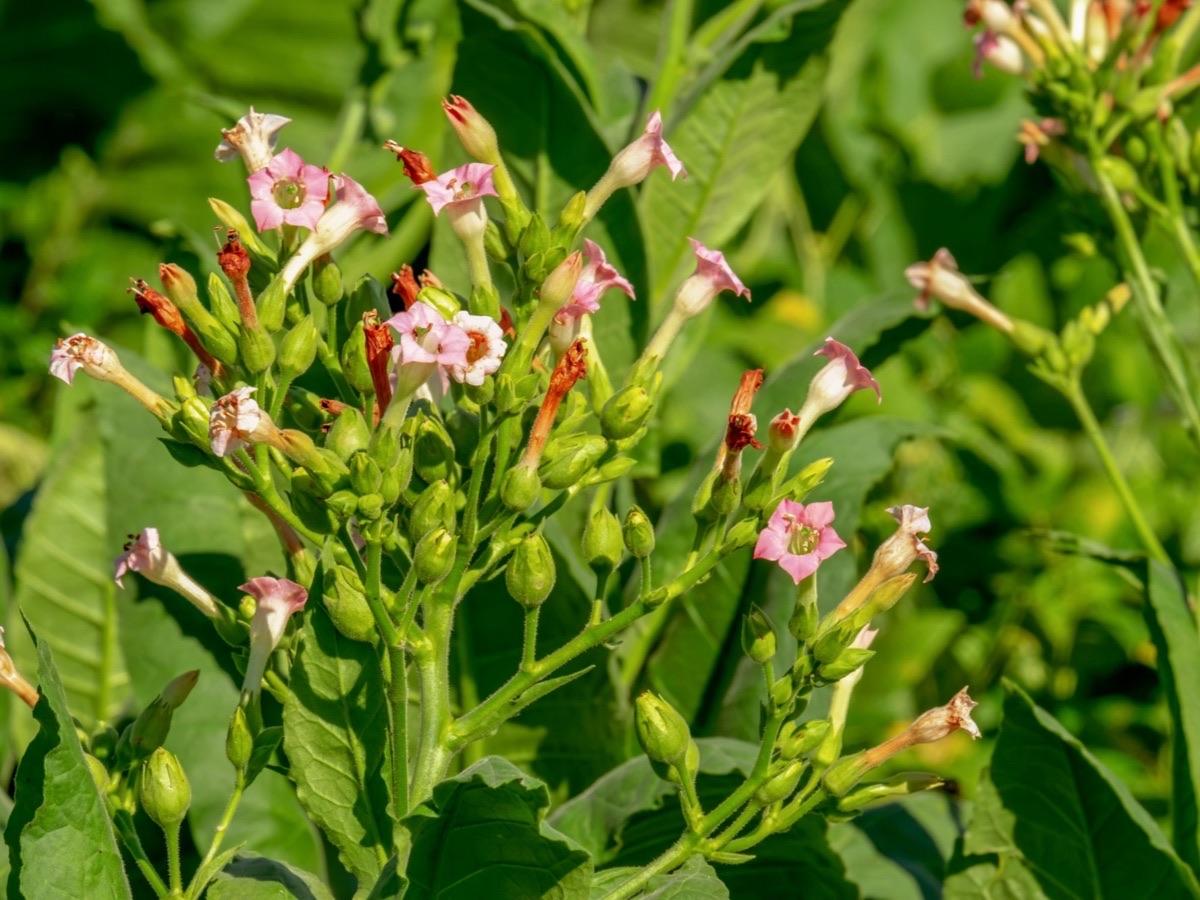
Seed to Leaf
Seed selection and leaf development.
9 lessons · 134m read · 71 quizzes
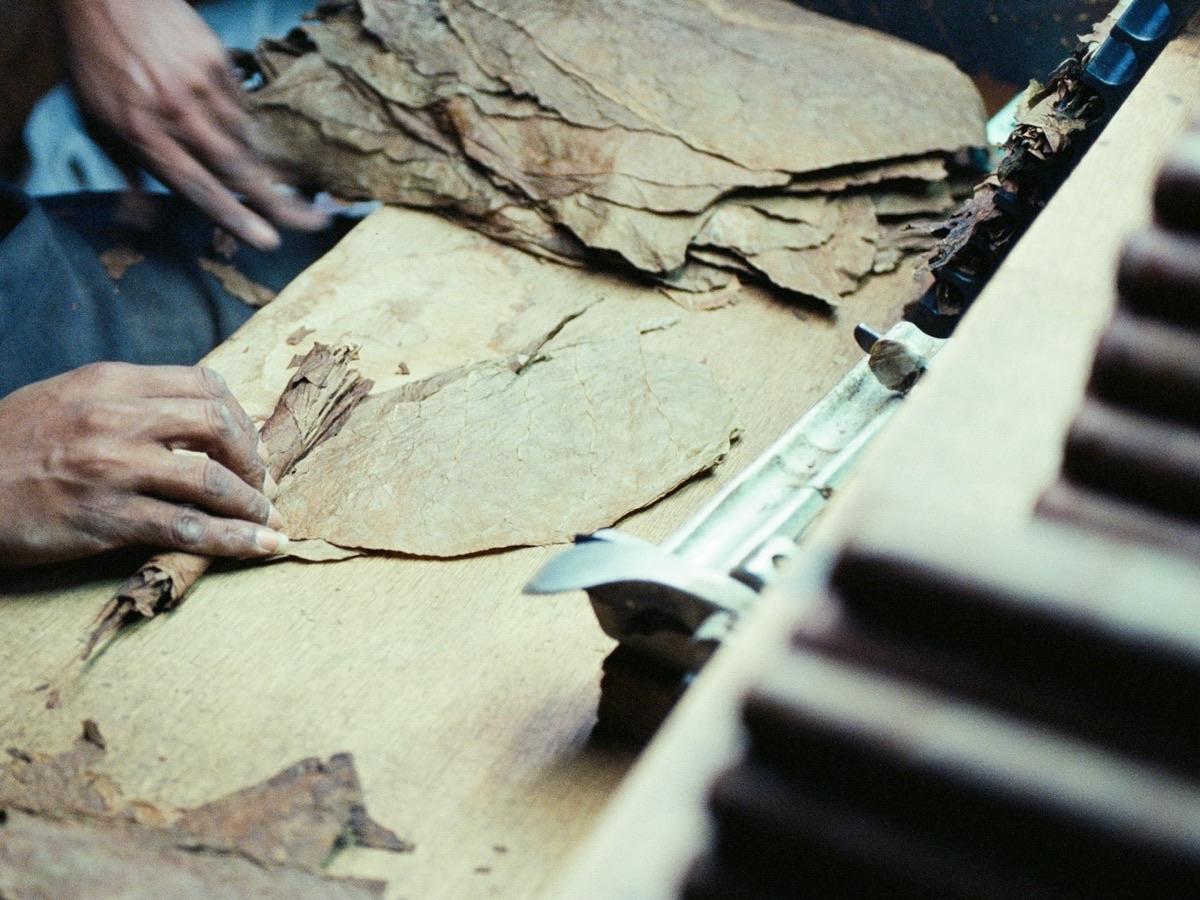
Cigar Construction
Bunching, binder, wrapper
3 lessons · 36m read · 25 quizzes
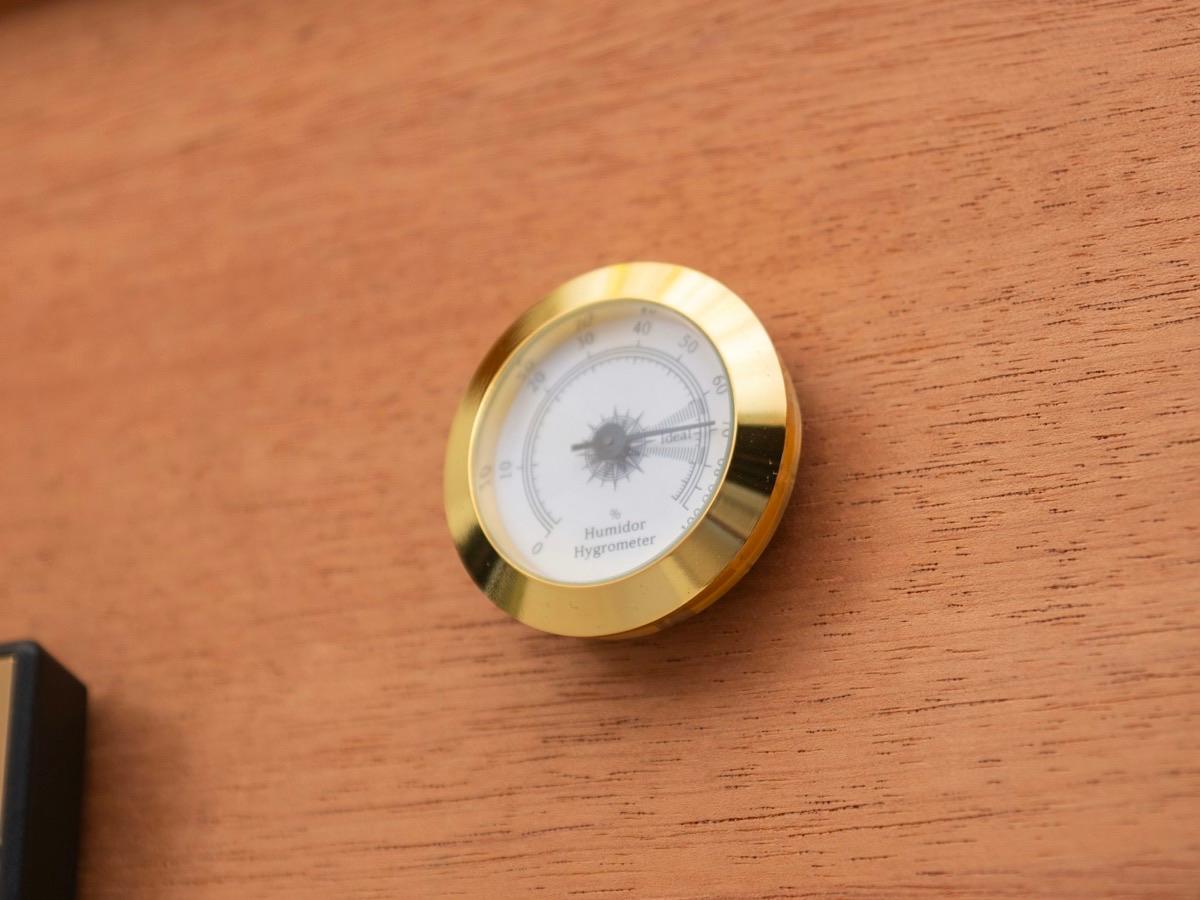
Storage & Humidity
Humidity control and cigar storage.
6 lessons · 61m read · 47 quizzes
Humidor Essentials
Types, seasoning, maintenance
3 lessons · 31m read · 38 quizzes